
Baccarat Losing Streak Odds: Probability of Consecutive Losses
Baccarat might look straightforward, but a run of poor results can test anyone’s nerve. It is natural to wonder how likely consecutive losses really are.
Plenty of players want to know what the numbers say, not just what a session feels like. A clear view of the odds helps set expectations and manage a budget.
This guide walks through how streaks form, what the probabilities look like for different bets, and how to read those figures with a cool head before your next game.
How Are Baccarat Outcomes Determined?
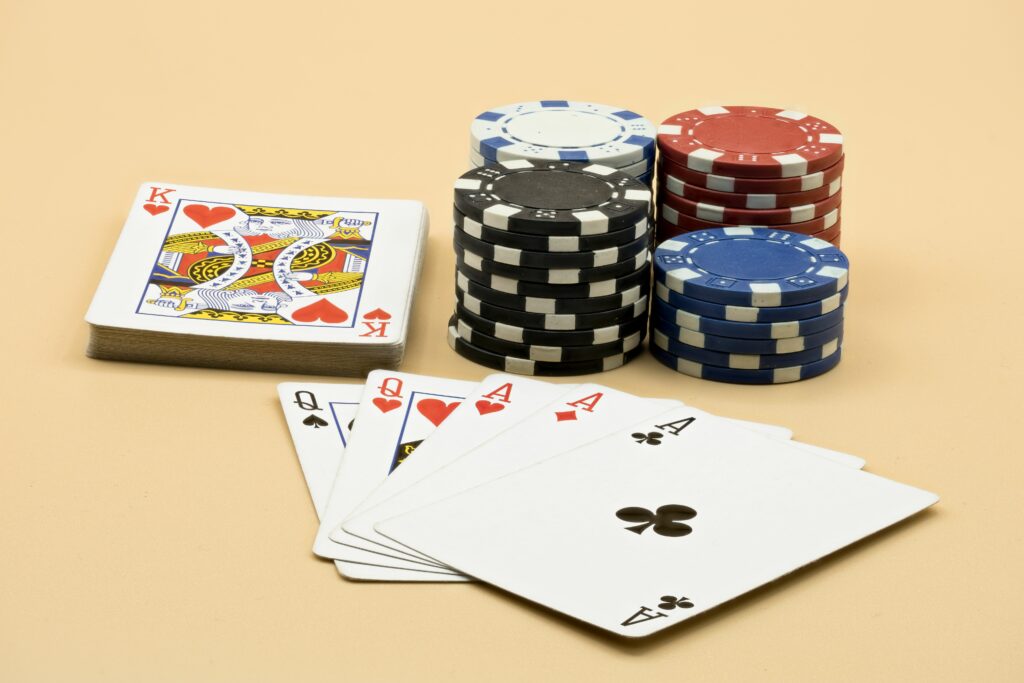
Every round of baccarat is decided by the draw of cards. There are three possible bets: Banker, Player, or Tie. The dealer deals two cards each to the Player and the Banker, and the hand with a total closest to nine wins. Card values are simple: 2–9 count as their face value, 10s and face cards count as zero, and Aces count as one. If a total reaches double digits, only the last digit counts (for example, 15 becomes 5). If both hands have the same value, it is a tie.
Drawing is governed by fixed third‑card rules that are applied automatically by the dealer or game software; you do not make play decisions after placing your bet. Typical payouts are 1:1 on Player and 1:1 on Banker (often with a commission or adjusted payout on Banker), while Tie pays more but occurs less frequently. Always check the specific table rules and payouts before you play.
Each round is independent of the last, with cards drawn at random from a shuffled shoe in live games, or by a certified random number generator online. Previous results do not influence future outcomes, and no betting system can change the built‑in house edge or guarantee a result.
Because results are random, single‑round chances can sometimes produce streaks. Runs of losses or wins are a normal part of variance, and can happen even when you place the same type of bet each time. This does not indicate a pattern you can rely on, and past streaks do not make a future outcome more or less likely.
Play responsibly: set limits, avoid chasing losses, and only wager what you can afford to lose. If the game stops being fun, take a break.
Consecutive Loss Odds For Player, Banker And Tie Bets
The chance of a losing streak depends on which bet you place and the rules in use. Figures below are indicative of standard baccarat with typical shoe configurations and may vary slightly by game conditions.
On resolving rounds (i.e., excluding ties), the Player bet loses when the Banker hand wins, which is about 50.7% of the time. The Banker bet loses when the Player hand wins, roughly 49.3% of the time. The Tie bet loses whenever the result is not a tie, which is about 90.5% of all rounds. These are theoretical probabilities and are rounded. Commission on Banker wins affects payouts, not the chance of a loss.
These single-loss probabilities drive the odds of back-to-back losses. If the loss probability for a given bet is p, then the chance of two consecutive losses is approximately p × p, and three consecutive losses is p × p × p, and so on. This assumes each round is independent and you place the same type of bet each time.
As the number of losses increases, the probability falls quickly for Player and Banker because their single-loss rates are close to 50%, but it remains comparatively high for Tie because ties are uncommon. Actual outcomes will vary from these long-term expectations, and short-term streaks—wins or losses—can and do occur.
Past results do not predict future outcomes, and no staking plan or pattern can eliminate the house edge. Bet responsibly, set limits, and only wager money you can afford to lose.
How Do You Calculate Probability Of N Consecutive Losses?
To work out the chance of losing several bets in a row, take the probability of losing a single bet and raise it to the number of consecutive losses you have in mind. In symbols, that is (single-loss probability) to the power of N.
This approach assumes each round is independent and that the underlying single-loss probability stays the same from one round to the next. Past results do not influence future outcomes, and staking plans do not change the underlying probabilities.
For Player and Banker bets, ties are usually treated as pushes that do not count as losses and do not break a streak. Always check the specific house rules for how ties are settled.
Figures below are rounded for clarity. Actual probabilities can vary slightly with the number of decks and the exact drawing rules, so treat these as guides rather than guarantees.
Example Calculation For Player Or Banker Bets
A neat rule of thumb is to use 50% as the chance of a single loss on Player or Banker. On that basis, the probability of three losses in a row is:
0.5 × 0.5 × 0.5 = 0.125, or 12.5%
Using the more exact figures, three straight losses are about 13.0% for Player (0.507 × 0.507 × 0.507) and about 12.0% for Banker (0.493 × 0.493 × 0.493). These differences come from the drawing rules; any commission on Banker affects payouts, not the chance of losing.
As another illustration with the 50% rule of thumb, five consecutive losses would be 0.5⁵ = 0.03125, or about 3.1%. With exact figures the result will be close, but not identical.
Example Calculation For A Tie Bet
A Tie bet loses whenever the round is not a tie, which is roughly 90.5% of the time. Three consecutive losses on Tie come out at:
0.905 × 0.905 × 0.905 ≈ 0.740, or about 74%
That big single-loss chance is why losing runs on Tie happen so frequently compared with the main bets. The precise rate depends on game rules and decks used, but the principle is the same: a higher single-loss probability leads to more frequent losing streaks.
Gambling should be done responsibly. Set limits you can afford, and never chase losses. Probabilities are theoretical and do not ensure any particular short‑term outcome.
How Often Will You See A 3, 5 Or 10-Game Losing Streak?
Losing streaks are not rare, particularly when each round is independent and previous results do not influence the next. Using the simple 50% shortcut (treating each round like a coin flip) gives a helpful feel for frequency, as it approximates the chance of consecutive outcomes by 0.5^n.
On that basis, three losses in a row are just under 13% (about 12.5%, or close to one in eight sets of three). Five in a row drops to about 3% (roughly once in 33), and ten in a row sits under 0.1% at around one in a thousand. With actual game edges, the exact chance is slightly higher for Player and slightly lower for Banker, as noted earlier, but the broad picture remains the same.
For Tie, the picture is very different because Ties are relatively uncommon per hand. If you keep backing Tie, five straight losses come in at about 59% (0.905^5), and ten straight losses are around 35% (0.905^10). Exact figures vary with rules and shoe composition, but long losing runs on Tie are still far from rare compared with Player or Banker.
These figures are approximations and should be used as a guide only. Results can cluster and vary in the short term, and past outcomes do not predict future ones. No staking plan can eliminate the possibility of streaks or overcome the house edge.
Set clear limits for each session, keep stakes in line with what you are prepared to lose, and stop if you reach your limits. Avoid chasing losses, take regular breaks, and only gamble if you are over 18 and it remains affordable and enjoyable. If you feel gambling is becoming a problem, consider setting time-outs or self-exclusion and seek support.
What Does The House Edge Mean For Losing Streaks?
The house edge is the built‑in advantage on each bet. In baccarat it is typically lowest on Banker, a little higher on Player, and much higher on Tie. Exact figures can vary with rules and commissions, but the principle is the same: over many rounds, that edge nudges results towards the house. This is why trying to recover quickly by increasing stakes or “chasing” rarely improves outcomes and can make losses worse.
In a rough patch, the edge does not increase, and it does not respond to what happened in previous rounds. Each hand is independent, and the probabilities reset every time. The edge simply keeps the odds slightly tilted, even while short‑term variance can produce long winning or losing streaks.
Understanding this distinction between short‑term swings and long‑term expectation helps keep expectations realistic. A streak does not mean a win is “due”, nor does it signal that the game is about to turn in your favour. It just reflects normal variability around the underlying probabilities.
As we weigh up those odds, it is easy to see how certain beliefs can creep in at the table. Common examples include the gambler’s fallacy (thinking past results affect the next hand) or believing that changing bet size or pattern can overcome the house edge. These beliefs can add pressure and lead to riskier decisions.
A measured approach can help: decide on a budget and time limit in advance, consider a pause after a sequence of losses or wins, and avoid staking more to recover quickly. No staking system removes the house edge, and you should only play with money you can afford to lose.
If play stops being enjoyable or you feel pressure to keep going, it may be sensible to take a break or stop for the day. Keeping decisions calm and planned supports safer play and helps prevent a downturn from escalating.
Common Misconceptions About Losing Streaks
The most common mistake is the Gambler’s Fallacy. After a string of losses, it can feel as if a win is due, but earlier rounds do not influence the next one. As explained at the start, each round is independent and outcomes are driven by chance, not by previous results.
Short‑term streaks, whether winning or losing, can and do occur within the normal range of randomness. They do not signal a pattern you can exploit, and they do not make a future result more or less likely.
Betting systems such as doubling after each loss may sound persuasive, yet they do not alter the underlying probabilities or the house edge. In practice, they can quickly push stakes higher than planned during a run of losses and bring you up against table limits or your own budget.
No staking strategy can overcome the built‑in house advantage or guarantee profits. If you choose to play, set clear limits in advance, stick to affordable stakes, and be prepared to stop rather than increasing bets to recover losses.
Switching seats, changing patterns, or cycling bets does not change outcomes either. Results are determined by the cards and the rules of the game, not by previous sequences, rituals, or table position.
Ideas such as “hot” or “cold” tables are forms of bias. Keep sessions manageable, take breaks, and avoid chasing losses. If gambling stops being fun or affects your wellbeing, consider stepping away and seeking support.
How Do I Interpret Losing Streak Odds?
Losing streak odds describe how frequently sequences of consecutive losses can occur. Short runs are relatively common, longer ones are rarer, and the exact rates depend on the type of bet and the rules in use. These figures do not predict what will happen next; each round is independent, and the house edge remains unchanged.
Interpreting them is about staying realistic and prepared. For example, a five-loss run on Player or Banker may sit at around 3% under typical rules, meaning it is uncommon yet entirely possible within a modest number of rounds. By contrast, because Tie has a much lower hit rate, extended losing runs are more likely on that bet, which increases volatility and overall risk despite the headline payout.
Treat the numbers as guidance for planning rather than as signals to act. They can help you anticipate swings, set sensible boundaries that fit your budget, and avoid chasing losses. Consider setting time and spend limits in advance and taking regular breaks to keep play in perspective.
Remember that previous outcomes do not influence future results, and no staking approach can overcome the house advantage. Only gamble with money you can afford to lose, and view baccarat as entertainment rather than a source of income. If play stops being fun or you are concerned about your gambling, consider pausing and seeking support.
**The information provided in this blog is intended for educational purposes and should not be construed as betting advice or a guarantee of success. Always gamble responsibly.