
Blackjack Rules Explained: How to Play & Card Values Guide
Blackjack has been part of casinos for centuries, and it remains one of the most recognised card games around the world.
At first glance, the idea of reaching 21 might sound simple, but once you sit at a table the rules can feel a little more involved.
This guide walks you through the essentials, from how the cards are valued, to how decisions are made during play. By the end, you’ll understand how a hand of blackjack unfolds, what different terms mean, and why knowing the rules can make the experience easier to follow.
What Is Blackjack and How Does the Game Work?
Blackjack, also known as “21”, is a game where your hand competes against the dealer’s. The aim is straightforward: finish with a total closer to 21 than the dealer, without going over. If your total goes past 21, you “bust” and lose the round.
Only the dealer’s hand matters in this game. Other players may sit at the same table, but they do not affect your outcome.
Each round starts with two cards dealt to you and two to the dealer, one face up and the other face down. Once all players finish their turn, the dealer reveals the hidden card and completes their hand following fixed rules.
The simplicity of the aim—get as close to 21 as possible without busting—explains why blackjack is often the first casino game people learn.
Blackjack Card Values and How to Count Them
Understanding card values is the backbone of blackjack. The game is played with one to eight standard 52-card decks, depending on the table.
- Number cards (2–10) are worth their printed value.
- Face cards (Jack, Queen, King) each count as 10.
- The Ace can be either 1 or 11, whichever might benefit the hand.
Example: If you hold an Ace and a 7, the hand can be either 8 or 18. If you then draw a 6, the Ace switches from 11 to 1, giving you a total of 14 instead of going over 21.
This flexibility with the Ace is why hands containing one are called “soft” hands, while totals without one are “hard” hands.
How Does the Dealing Process Work in Blackjack?
At the start of a round, two cards are dealt to each player face up. The dealer also receives two cards, one face up and one face down. Players act first, choosing whether to take more cards or keep their total.
The dealer’s turn comes after all players finish. Most UK blackjack tables require the dealer to draw cards until they reach at least 17. With a “soft 17” (for example, Ace + 6), rules can differ—some tables require the dealer to take another card, while others require them to stop.
These rules affect how the game plays out, and they also influence the house edge, which is the built-in statistical advantage the casino has.
What Does It Mean to Hit, Stand, Split or Double Down?
Once you receive your first two cards, you decide how to play them:
- Hit: ask for another card.
- Stand: stick with your total.
- Double Down: double your original stake and take one more card only.
- Split: if your first two cards are the same value, you can separate them into two hands by placing a second stake.
Rules on splitting and doubling can differ across casinos.
For example, some tables allow doubling after a split, while others do not. Split Aces often receive just one extra card each. Because these differences affect how the game is played, it can be useful to read the table rules before starting.
When Does the Dealer Have to Draw More Cards?
Unlike players, the dealer follows strict rules. They must keep drawing until they reach at least 17. Whether they draw on a soft 17 depends on the table rules, which can slightly change the balance of the game.
Once the dealer completes their hand, totals are compared:
- If your total is higher without busting, you win.
- If the dealer busts and you do not, you win.
- If both totals are equal, it is called a “push” and your stake is returned.
About 8–9% of rounds in multi-deck blackjack end in a push.
Blackjack payouts depend on the rules of the table. In most classic UK games:
- A standard winning hand pays 1:1. A £10 stake returns £10 profit.
- A “blackjack” (Ace plus a 10-value card on the first two cards) usually pays 3:2. The same £10 stake would return £15 profit.
- Some tables offer 6:5 instead of 3:2, which reduces the potential return and increases the casino’s edge by around 1.4%.
- Insurance is an optional side bet in some games. It is available when the dealer shows an Ace. It pays 2:1 if the dealer’s hidden card makes a blackjack. However, most strategy guides advise against taking insurance, as the probability rarely works in the player’s favour.
Because payouts can vary, it is important to check the paytable before joining a game.
How Do You Win a Hand of Blackjack?
Winning comes down to finishing with a stronger hand than the dealer, without going over 21. While the objective is simple, the outcome depends entirely on the cards dealt.
Blackjack is a game that involves chance. There is no guaranteed method for consistent wins. However, decisions matter. Using basic strategy—a chart of the statistically best moves for each possible hand—can reduce the house edge to around 0.5–1% in favourable games. Less favourable rules, such as 6:5 payouts or restrictions on doubling, can push that edge closer to 2% or higher.
Surrender and even-money options are sometimes offered at UK tables, though not everywhere. Surrender allows you to forfeit half your stake on your first two cards instead of playing on, while even-money gives a guaranteed 1:1 payout if you hold a blackjack and the dealer shows an Ace.
Common Terms Every Player Should Know
Blackjack uses a few terms that help describe how the game works:
- Bust: a hand over 21.
- Soft hand: a total containing an Ace counted as 11.
- Hard hand: a total with no Ace, or where the Ace must count as 1.
- Push: when your hand and the dealer’s total are equal.
- Paytable: a chart showing the potential payouts and rules for that table.
These terms explain what you might see during play and help you read the rules more easily.
Blackjack Table Layout and Betting Basics
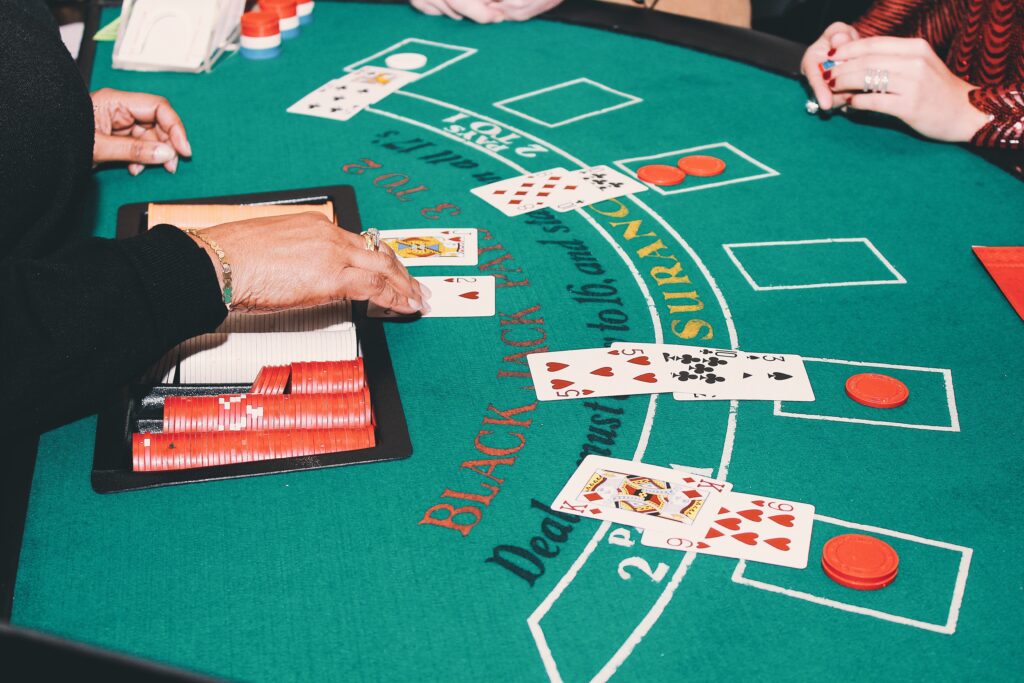
Blackjack tables vary depending on whether they are physical or online. Seats are marked for players, and bets are placed before the deal begins. Online tables usually show your balance and bet size clearly, along with a digital version of the table layout.
Casinos can use different numbers of decks, offer different side bets, and apply varying rules to doubling and splitting. All of these details should be listed in the paytable, which you can review before placing a bet. Taking a few minutes to check the rules can help you avoid any surprises during play.
Play Blackjack Online
Explore online blackjack at O’Reels casino.
You will find classic blackjack tables, alongside plenty of other casino games, including popular slots.
Log in or register with O’Reels to see the full selection and play in a secure environment with clear information.
Outcomes are never guaranteed, so set limits that suit you and only play with money you can afford to spend. Please play responsibly.
*All values (Bet Levels, Maximum Wins etc.) mentioned in relation to these games are subject to change at any time. Game features mentioned may not be available in some jurisdictions.
**The information provided in this blog is intended for educational purposes and should not be construed as betting advice or a guarantee of success. Always gamble responsibly.