
Can You Win Bingo Diagonally, Vertically or Horizontally?
For anyone new to bingo or curious about how wins are confirmed, knowing which patterns qualify makes the game easier to follow.
Bingo comes in several formats, and each may recognise different patterns. Understanding what applies in the version you might choose to play helps you stay informed and approach the game responsibly.
This blog post looks at whether diagonal, vertical and horizontal lines might result in a win, how patterns are chosen, how 75-ball and 90-ball bingo differ, and how a win is verified.
Read on to learn more.
How Bingo Winning Patterns Actually Work
A winning pattern is the arrangement of marked numbers a player needs in order to claim a prize. It is usually announced or displayed before a round begins so everyone knows what to look for.
Straight lines are among the simplest patterns, though the way they appear depends on the format. Lines might run across, down, or at an angle. Later, we’ll look at which of these apply in each type of bingo.
Some rounds use more elaborate shapes, and many include a prize for marking the entire card—sometimes called a full house. The organiser determines the required pattern for each round. In venues, this is called out; online, it appears on screen so all participants know what qualifies.
That brings us to one of the more distinctive line types.
Can You Win Bingo Diagonally?
Certain bingo formats recognise diagonals as a valid way to complete a line. The rule tends to appear in the version with a square layout, where lines might stretch from one corner to the opposite.
In another common type of bingo, diagonals are generally not included. The ticket there is arranged differently, and diagonal lines do not align neatly across the available numbers.
Whether a diagonal counts depends on the rules for that specific round. If the instructions say any straight line qualifies, diagonals usually fit the rule in the square-based version; if the round focuses on rows or particular shapes, diagonals are excluded.
If you decide to play, it’s useful to check which pattern is displayed before the first number is drawn.
Can You Win Bingo Vertically?
Vertical wins appear under similar circumstances to diagonals but rely on completing a full column. They feature most often in the same square-based format where any line might qualify.
In the version that uses tickets with rows instead of grids, a completed column is not usually recognised as a winning pattern. The layout there highlights rows as the main path towards a prize.
The reason verticals show up in one version and not the other becomes clearer once you compare how each card or ticket is arranged.
Can You Win Bingo Horizontally?
Horizontal lines are among the most familiar forms of bingo success. Whether the game you join is grid-based or ticket-based, some rounds feature wins across the rows.
In the ticket-style version, the first prize usually goes to whoever completes a single row, followed by one for two rows, then a full house for all numbers.
In the grid-style version, rows count whenever the round allows any straight line. If the host announces a particular shape—such as a cross or letter pattern—then a simple row may not apply for that round.
Being aware of this distinction helps you follow the progress clearly and focus on the pattern that actually applies.
What Are the Most Common Bingo Winning Lines?
Across both main versions, the most frequent winning arrangements are straight lines. In the grid format, these may stretch horizontally, vertically, or diagonally. In the ticket format, the recognised lines run across the rows—one, two, and then all numbers for the full card.
Some grid-based rooms add special shapes, yet straight lines remain widely used because they are simple to identify. If a themed round appears, the organiser highlights it before play begins, so all players understand the required pattern.
Because the details differ, it helps to note what’s shown or announced at the start of each round. The next question is how those patterns are checked once someone believes they have completed one.
Do Different Bingo Games Have Different Winning Rules?
Yes. Each type sets its own conditions, influenced by how its cards or tickets are designed. The grid format allows for various lines and shapes, while the ticket format focuses on rows and a full card.
This explains why a diagonal might be accepted in one version but not in another. Seeing the layouts side by side can make these distinctions easier to understand.
How 75-Ball and 90-Ball Bingo Compare
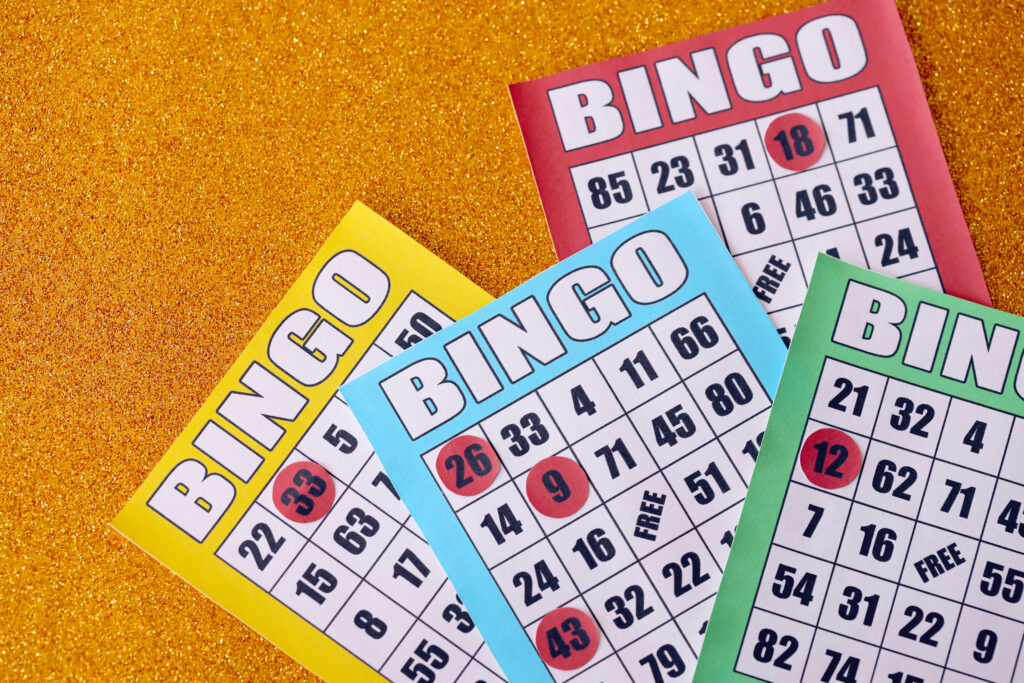
In 75-ball bingo, the card is a 5×5 grid that sometimes includes a free middle square. A round may call for any straight line, a shape, or several lines at once. The required pattern is displayed before the first number is called and often changes between rounds.
In 90-ball bingo, a ticket contains three rows and nine columns, with fifteen numbers altogether. Prizes are typically awarded for the first full row, then two rows, and finally a full house covering all numbers. Because of this layout, vertical or diagonal lines do not usually feature.
Comparing both side by side shows why certain patterns—like diagonals and verticals—belong mainly to the 75-ball format, while rows dominate the 90-ball style.
How Do You Know When You’ve Won in Bingo?
A win is verified once a player has marked all numbers needed for the displayed pattern before anyone else. The pattern shown at the start makes checking straightforward.
In traditional settings, a participant calls out once their card meets the pattern. The host pauses to confirm the numbers, and if more than one person qualifies at the same time, prizes are often shared.
Online versions handle this automatically. The system detects completed cards, announces the winner on screen, and credits any prize. Many also display the pattern and numbers involved so you can see how the win was achieved.
If you decide to take part, it’s advisable to set time and spending limits that suit you and to take breaks whenever needed. Understanding how patterns function, and how wins are confirmed, helps keep the focus on clarity and makes it easy to see whether a diagonal, vertical, or horizontal line qualifies in your chosen version.
**The information provided in this blog is intended for educational purposes and should not be construed as betting advice or a guarantee of success. Always gamble responsibly.