
EuroMillions Players: How Many Enter Every Draw?
EuroMillions is one of the most recognisable lottery games in Europe, drawing entries from several countries, including the UK. The idea of choosing numbers for the chance to win a significant prize appeals to many, and the scale of participation often surprises people.
Whether you play regularly, occasionally, or are just curious, looking at how many tickets are sold each time could offer useful context. The figures show clear patterns and highlight how the game operates across borders under regulated conditions.
Read on to see how participation varies and what those numbers really tell us.
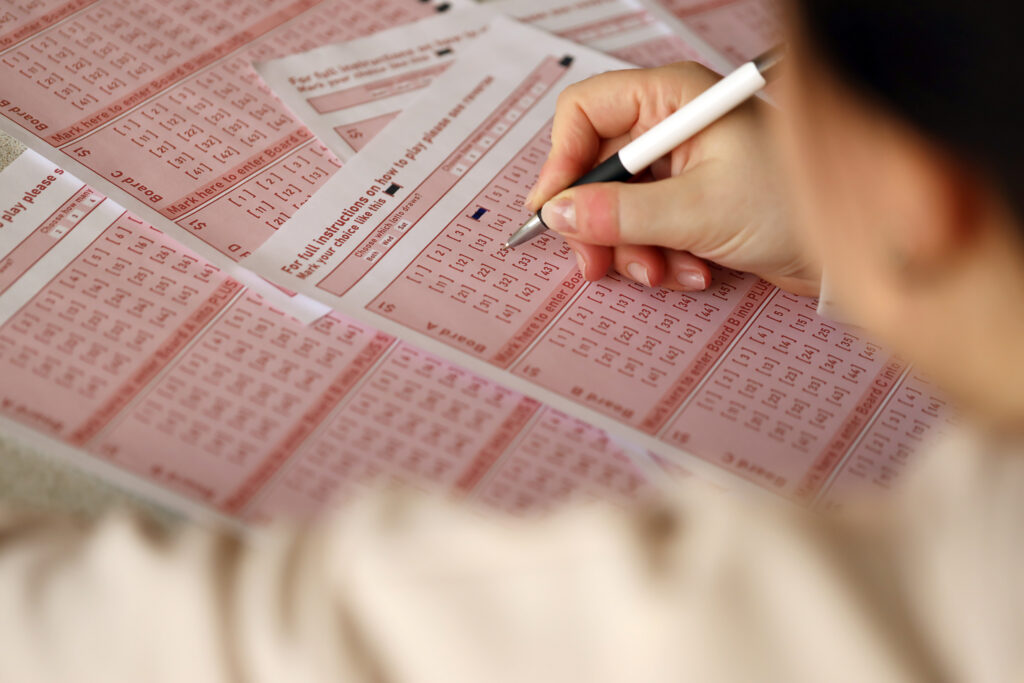
How Many People Play EuroMillions?
Each EuroMillions draw attracts a large volume of entries from across participating countries. In the UK alone, millions of tickets are typically bought for a single draw, and the total across Europe often reaches well over 30 million. Sales can spike when the top prize grows or a special event is scheduled.
EuroMillions is the same game whether a ticket is bought in a shop or through an approved online account. The rules and prize structure do not change, and the mechanics of the draw remain consistent across countries.
It might be worth remembering that the odds of winning are based on the number combinations in the game rather than how many people enter. Your chances stay the same from draw to draw, although the number of winners in a prize tier can vary. If you choose to play online, use an authorised provider so your entry is included in the official draw. Remember to participate responsibly and within your means; never wager more than you can afford to lose.
Average Number of Entries in Each Draw
While exact sales differ from week to week, a typical draw sees several million tickets sold in the UK and many tens of millions across all participating countries. These averages sit fairly steadily over time, then move noticeably during rollovers, Superdraws and headline-grabbing weeks.
There are also smaller shifts that add up. Tuesday and Friday draws can perform a little differently, and sales often rise ahead of a widely publicised jackpot. The result is a rhythm to participation that regular players will recognise, with busy periods followed by more ordinary weeks.
With that baseline in mind, it may become easier to understand why numbers rise and fall between draws.
Why Do Player Numbers Change Between Draws?
Participation moves for a few clear reasons. The size of the jackpot is the most obvious driver. When the top prize grows, news coverage and word of mouth increase, which often leads to more tickets being bought.
Planned events, such as Superdraws, also bring in higher entries because they are announced in advance and set a guaranteed jackpot. Seasonal periods could add to this, with office syndicates and family groups more active around holidays.
Everyday factors play a part too. Paydays, local promotions and simple convenience influence when and where people buy. As online access has improved, more players choose digital entries, which can nudge totals upward during high-interest weeks.
Do Bigger Jackpots Attract More EuroMillions Players?
Yes. Sales data shows a clear uptick when the jackpot climbs to headline levels. When the top prize moves past thresholds that tend to make the news, more people take notice and entries increase. Near the EuroMillions jackpot cap, that effect becomes more pronounced.
This pattern appears both in shops and online. It does not change how the draw works or the probabilities involved, but it does alter how many tickets are in play on the night. That is why bumper prize weeks often come with reports of higher participation.
How Ticket Sales Are Counted Across Different Countries
EuroMillions operates across multiple national lotteries. Each country records its own sales, covering tickets bought in shops and through official online accounts. In the UK, the licensed operator logs purchases centrally so every valid entry is included.
After each draw, the participating lotteries compile their sales data. These figures are combined to produce the official total number of entries and to calculate the prize fund for each tier. Oversight by the UK Gambling Commission (UKGC) ensures that UK sales are recorded and reported correctly and that the draw remains fair and transparent for participants.
Only tickets bought through authorised channels form part of the official EuroMillions draw. Lottery-style products offered elsewhere may have different rules and prize structures, and they do not count towards EuroMillions results.
What the Number of Players Means for Winning Odds
The chances of matching all five main numbers and two Lucky Stars are set by the game’s design, not by how many people take part. For the main jackpot, the probability is about 1 in 139,838,160 and it does not change from one week to the next.
What does change is how prizes are shared. If several tickets match the same tier in a given draw, that tier’s prize fund is divided between those winners. On a busy night, for example, there may be more winners at a mid-tier level, which can reduce the amount each receives compared with a quieter draw.
If you prefer to compare different games, check the published rules and odds before spending money, as formats and prize structures vary. Taken together, the participation figures, the fixed probabilities and the prize-sharing rules explain why some draws feel routine while others capture wider attention, and they show how the game maintains the same core mechanics no matter how many people enter.
**The information provided in this blog is intended for educational purposes and should not be construed as betting advice or a guarantee of success. Always gamble responsibly.
*All values (Bet Levels, Maximum Wins etc.) mentioned in relation to these games are subject to change at any time. Game features mentioned may not be available in some jurisdictions.