
Face Cards in Blackjack – What to Know
Face cards—Kings, Queens, and Jacks—are some of the most recognised cards in any deck. In blackjack, they have a clear value and help shape the way each hand plays out.
This article explores what sets face cards apart in UK blackjack and why understanding them can help you decide your next move at the table. By the end, you will see exactly where face cards fit into the game and what this might mean for your play.
Understanding Which Cards Are Face Cards
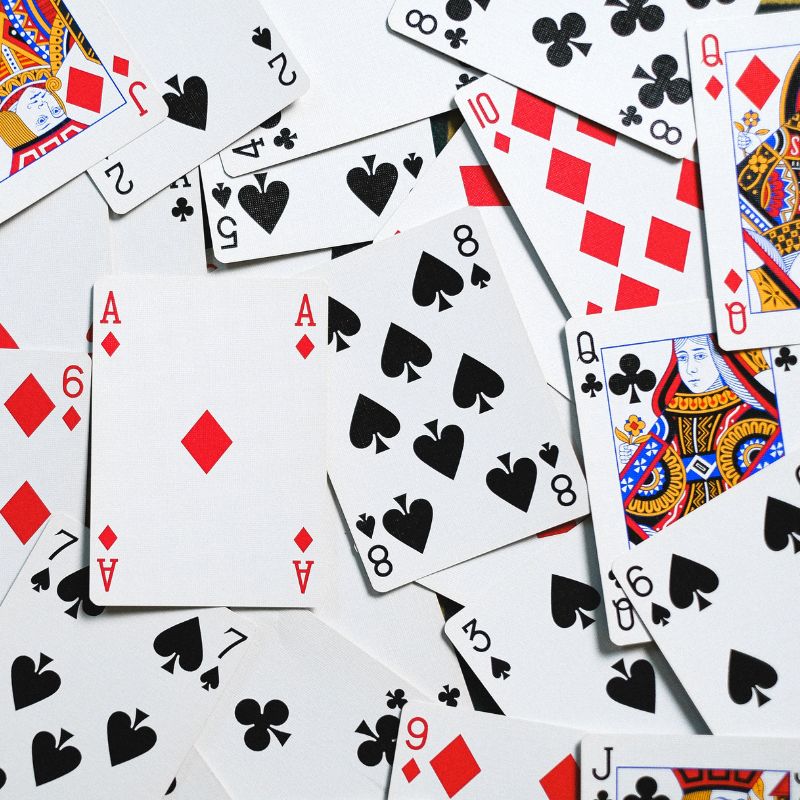
Face cards in blackjack are the King, Queen, and Jack, each appearing in hearts, clubs, diamonds, and spades. They are easy to spot, as they feature illustrations instead of numbers in the corner, unlike cards two through ten.
A standard UK deck includes four Kings, four Queens, and four Jacks, making 12 face cards out of 52. All face cards count as ten points in blackjack—no matter the suit, artwork, or number of decks in play.
The rules explained here apply whether a game uses one, six, or more decks. In games with extra decks, you’ll usually see more face cards dealt, but their role and value doesn’t change. Keeping this in mind can help you follow each round and understand how scores are made.
The Value of Face Cards in Every Hand
Each King, Queen, or Jack is worth ten points, matching the value of a numbered ten card. The suit does not affect their value, and the artwork simply sets them apart.
If you are dealt a face card alongside an ace, you have a “blackjack”—the strongest starting hand in the game. Many UK blackjack tables pay 3:2 for a blackjack, but the payout can vary, so checking the table rules before you play may be wise.
A hand of two face cards totals 20, just one short of the game’s highest hand. Basic strategy charts often suggest standing with 20, rather than taking another card. Although a total of 20 is strong, it does not ensure a win, as each game round is independent.
Face cards can appear in any combination and at any time because the decks are shuffled. This means you cannot predict when one will be dealt.
The Splitting Face Card Debate
Seeing two face cards as your starting hand might lead you to consider splitting them. As discussed, basic strategy usually recommends keeping your pair together, since a total of 20 is one of the best hands you can receive.
Splitting ten-value cards would break up a strong position and might leave you with two weaker hands.
Face Cards and Player FAQs
Can I split different face cards, like a King and a Jack?
Yes, UK casino rules usually allow players to split any two cards worth ten, including Kings, Queens, Jacks, or tens. However, as explained before, most players choose not to split ten-value cards, due to the strong starting potential they provide.
What happens if I get a face card and an ace?
If your first two cards are a face card (King, Queen or Jack) and an Ace, you have a blackjack—the best possible starting hand in the game. A blackjack totals 21 and usually means you win automatically, unless the dealer also has a blackjack. In most cases, a blackjack pays out at 3:2, so if you bet £10, you’d win £15 (plus your original £10 back). Just remember, rules can vary slightly between casinos, so it may be a good idea to check the potential payouts and house rules where you’re playing.
If you want extra guidance, consider glancing at a basic blackjack strategy chart or asking the dealer about the house rules. As covered earlier, no method can guarantee a win, so it is wise to make clear and informed choices at the table.
Online Blackjack and Face Cards
In online blackjack, face cards have the same value as in traditional, land-based games—each is worth 10 points. The cards are shuffled digitally using a Random Number Generator (RNG), which ensures every hand is fair and completely unpredictable.
Many trusted online casinos also offer live dealer blackjack. This version is streamed in real time, with a real person dealing the cards on camera. The face cards look just like they do in a standard deck and tend to follow the same rules.
Before playing, take a moment to read through the game rules or paytable. While face cards are usually handled in the same way, some online variants may have small rule differences—so it may be best to check first.
And of course, always set a spending limit before you begin, and never bet more than you’re happy to lose. Gambling should always stay fun, so make use of tools like deposit limits and reality checks to help you play responsibly.
*All values (Bet Levels, Maximum Wins etc.) mentioned in relation to these games are subject to change at any time. Game features mentioned may not be available in some jurisdictions.
**The information provided in this blog is intended for educational purposes and should not be construed as betting advice or a guarantee of success. Always gamble responsibly.