
What Does “Hit & Run” Mean in Poker? Definition & Examples
Poker often comes with its own set of terms that can be confusing for new players. One phrase that comes up frequently is “hit and run,” which you might hear in both online and in-person games.
Familiarity with poker terminology could make the game more approachable. If you want to know what “hit and run” means in poker and see examples to recognise it in real games, then read on to learn more.
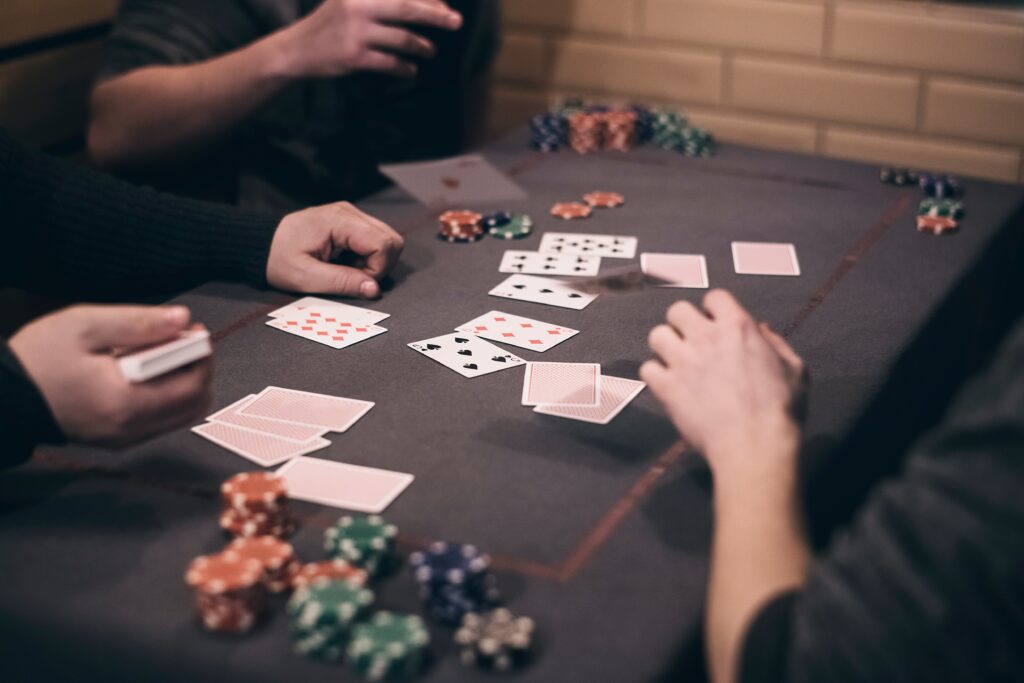
What Does Hit and Run Mean in Poker?
In poker, “hit and run” describes when a player wins a significant pot and then leaves the game shortly afterwards. This can happen in online or in-person games and may occur after just one or two hands.
The term is not linked to any specific poker variant, such as Texas Hold’em or Omaha. The amount won can vary, but the defining feature is leaving the table soon after a notable win.
Some players notice this behaviour because it can be unexpected. Poker sessions can last for long periods, so leaving after a brief win may stand out. Many poker venues allow players to join and leave tables as they choose, though individual sites or card rooms may have specific guidelines.
If you do decide to try your hand at poker, remember to do so responsibly and within your means; never wager more than you can afford to lose.
Why Do Players Use Hit and Run in Poker?
Players may adopt a “hit and run” approach for several reasons. Often, it follows winning a substantial pot, after which a player opts to leave the table.
One factor is a preference for concluding a session with a positive outcome. Since poker outcomes are uncertain, leaving after a win can be seen as avoiding further exposure to potential losses.
Online poker platforms make entering and leaving tables straightforward. For instance, a player might join a table with a set stake, win a hand, and then leave the session. In live games, leaving could be influenced by time constraints, reaching a personal session target, or other commitments.
Leaving after a win does not generally breach house rules unless a venue specifies requirements about session length or re-entry. It is a choice made by individual players.
Is Hit and Run Considered Bad Etiquette?
Whether “hit and run” is viewed as poor etiquette can depend on the players and the setting. Some may find it frustrating if someone leaves soon after winning, particularly in live poker environments where social interaction is part of the experience.
There are no formal rules prohibiting leaving a table after a win. Most poker rooms, online or in person, do not issue penalties for this behaviour.
In online games, session turnover is often quicker, so leaving after a win is less noticeable. Checking a poker room’s house rules can provide guidance on expected session lengths, table-hopping, or re-entry policies.
Ultimately, opinions about etiquette vary, and perceptions of hit and run behaviour are subjective.
Examples of Hit and Run Situations at the Poker Table
A common example might involve a player joining a low-stakes cash game. They could buy in for £50, win a notable pot, and decide to leave after playing only a few hands. This brief exit following a gain is considered a hit and run.
Online tables can show similar scenarios. A player may enter with a set stake, win a hand, and then leave the table without continuing the session.
Home games can also include hit and run behaviour. A player may win a substantial hand and feel that their personal session goal has been reached, prompting an early departure.
Each poker environment can feature these situations. Reviewing a venue’s procedures for joining and leaving tables may provide clarity before a session.
How Do Poker Rooms View Hit and Run?
Poker rooms generally treat hit and run neutrally. Leaving a table after winning is usually allowed as long as the player follows general house rules and terms.
Sites and casinos prioritise fair play. Players are expected to comply with rules such as minimum buy-ins and anti-collusion measures. Hit and run is not considered a breach of these standards.
Some online platforms may have brief restrictions on rejoining the same table after leaving. These rules aim to maintain table flow rather than target hit and run behaviour specifically.
Should You Worry About Hit and Run When Playing Poker?
Hit and run is a common occurrence at poker tables, particularly online. It does not affect how hands are dealt or the fairness of the game.
Noticing a player leave after a win may be more apparent in shorter sessions. While it can be distracting, it does not alter the structure or probabilities of the game you are playing.
Each venue sets its own procedures for joining and exiting tables. UK Gambling Commission (UKGC)-licensed poker sites are regulated to ensure fair play and responsible practices. Setting personal session limits, pacing your play, and being aware of table dynamics are ways to approach the game safely.
Remember that poker involves both wins and losses. No strategy guarantees a positive outcome. Playing within your own limits and taking breaks if needed could help maintain a balanced approach.
**The information provided in this blog is intended for educational purposes and should not be construed as betting advice or a guarantee of success. Always gamble responsibly.
*All values (Bet Levels, Maximum Wins etc.) mentioned in relation to these games are subject to change at any time. Game features mentioned may not be available in some jurisdictions.