
The House Edge in Blackjack: How Casinos Profit from Play
Blackjack is often seen as a game of skill and strategy, but there is a maths-based reason for why casinos win more often than players. This reason is called the house edge, a built-in advantage that gives casinos a small, steady profit over time.
This blog post explains how the house edge works, why it exists, and how rule changes, the number of decks, and different payouts may shift it. You will also find what these numbers mean for player results and casino profits, plus a few common misunderstandings cleared up.
If you choose to play, knowing how the edge operates helps you make more informed decisions from the start.
Why Casinos Have an Advantage in Blackjack
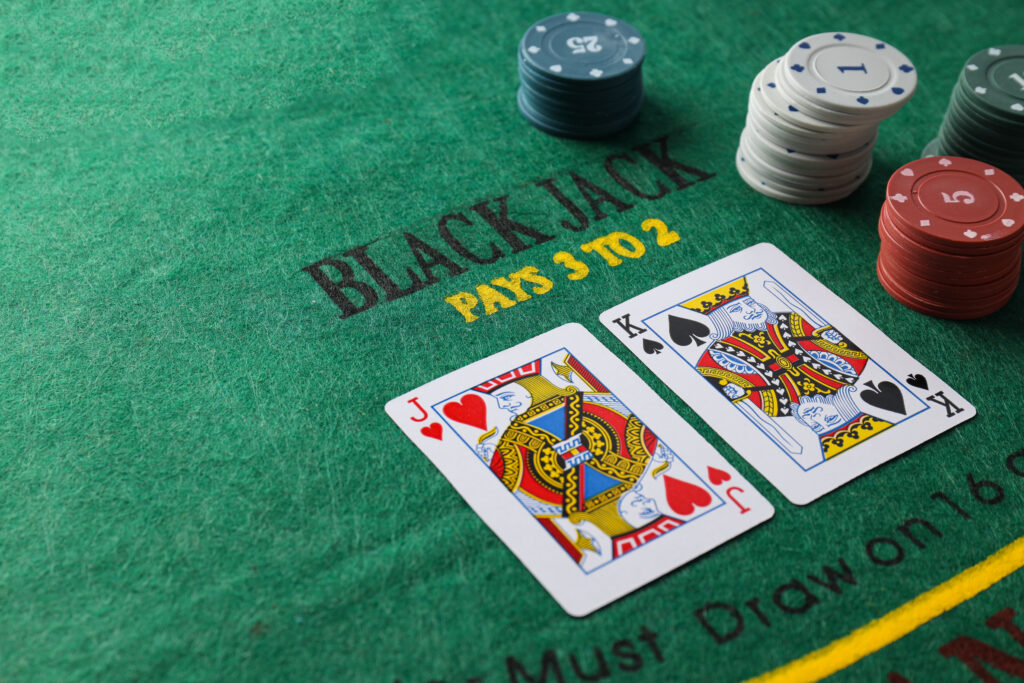
Casinos build in an advantage by designing the rules of blackjack so the house is more likely to win over time. One key reason for this advantage is that players always act before the dealer. If both the player and dealer go over 21, known as a bust, the player loses even though the dealer also goes bust. This rule gives the casino a small but clear edge on every hand played.
The advantage also shows in how wins are paid. A standard winning hand typically pays 1:1. A blackjack, totalling 21 with the first two cards, can pay 3:2 or, at some tables, less. When payouts are trimmed, the house edge rises.
Casinos may also set rules for how many decks are used and how the dealer must play their hand. Each of these choices helps maintain the house’s overall advantage. So how does that translate into real money for the casino over time?
How Do Casinos Make Money on Blackjack?
Casinos make money on blackjack through the small percentage built into the rules of the game. While players will win many individual hands, the maths slightly favours the house across a large number of games.
That percentage might sound tiny, but it scales with volume. If a casino holds an average 1% edge and £1,000,000 is wagered in total, the theoretical revenue would be about £10,000. Multiply that across many tables and many days, and you get consistent, predictable income.
Game features such as the payout for blackjack, whether the dealer hits or stands on a soft 17, and the number of decks all contribute to this edge. Even minor changes can move the needle.
To see where those percentages come from, it helps to look at how the edge is calculated.
How Is the House Edge Calculated?
The house edge in blackjack is worked out by analysing the rules and outcomes of the game over many hands. It shows the average amount the casino keeps for every pound wagered by players. These calculations usually assume that players use sound strategy for the rules in play, because guessing or ignoring strategy can push the edge higher.
How the house edge is calculated may vary depending on several factors. Key influences include the number of decks and any departures from standard rules. This is why the edge is not identical at every table.
Number of Decks and Rules Variations
The number of decks affects the odds of key events. As decks increase, certain outcomes, such as getting a blackjack, become a little less frequent, which gives a small boost to the casino’s advantage. An eight-deck game will generally have a higher edge than a single-deck game with otherwise similar rules.
Rule tweaks also shift the edge. Allowing players to double down after splitting can reduce it slightly, while limiting splits or not allowing re-splits of aces tends to increase it. Each seemingly small change can make a measurable difference once you play enough hands.
Dealer Rules and Payout Differences
Dealer behaviour matters, too. If the dealer must hit on a soft 17, the house edge rises compared with a rule where the dealer stands on all 17s. That extra card sometimes turns marginal dealer hands into winners.
Payouts are critical. The traditional 3:2 reward for a player blackjack means a £10 bet returns £15. A 6:5 table pays only £12 for the same hand, which pushes more of the long-term returns to the house. Together, these rules shape the edge you face at any given table, and they help explain why results tend to tilt towards the casino over time.
How Does the House Edge Affect Player Wins Over Time?
The house edge has a gradual effect across many games. A player might enjoy winning sessions, but because the edge applies to every hand, the casino is likely to come out ahead over the long run.
Even with solid strategy, the edge remains. Over hundreds or thousands of hands, small differences between wins and losses accumulate. For example, with a 1% edge, a player wagering £100 across many hands might lose about £1 on average in the long term. Short-term results can vary widely, but the average tends to settle towards the edge as the number of hands increases.
With that in mind, the exact payouts on wins can push the numbers further one way or the other.
How Do Payout Structures Impact Casino Profits?
Payout structures in blackjack have a direct impact on how much a casino may earn. As noted above, paying 3:2 on a blackjack returns more to players than a 6:5 table, where the same winning hand returns less. That difference is significant once applied to many hands.
Other payouts matter, too. Options such as insurance and side bets usually carry a higher house advantage than the main game. While optional, they increase the casino’s share over time, especially when taken frequently.
Understanding the payout table before you sit down gives you a clearer picture of what to expect.
What Common Misconceptions Exist About the House Edge?
One misconception is that the house edge changes based on how a player is doing in a session. In reality, the edge is built into the rules and stays the same over the long run, no matter what happened in previous hands.
Another belief is that skill can remove the house advantage entirely. Following basic strategy can reduce the edge, but it does not eliminate it because the dealer order, rules and payouts still apply.
Some people also think that switching tables or varying bet sizes can overcome the edge. These choices do not alter the underlying maths.
Finally, the house edge does not mean players will always lose every session. It means that, over many games and many players, the casino keeps a small share of total wagers.
If gambling starts to affect your well-being or finances, seek support early. Set limits that fit your circumstances, take regular breaks, and never stake more than you can afford to lose. Independent organisations such as GamCare and GambleAware offer free, confidential help.
Play Blackjack Online at O’Reels
At O’Reels, you can choose from a range of blackjack games online, including live dealer and Random Number Generator (RNG) versions. Pick the format that suits how you like to play.
O’Reels is licensed and regulated in Great Britain, with controls in place to support fairness and player protection.
To help you manage your play, you will find tools such as deposit limits and time-outs, plus access to support if you need it. These features are easy to set and adjust.
If you would like to try blackjack at O’Reels, feel free to create an account, deposit some funds to play with and explore the tables and play when it suits you.
**The information provided in this blog is intended for educational purposes and should not be construed as betting advice or a guarantee of success. Always gamble responsibly.