
How Do You Play a Slot Machine in a Casino?
Slot machines are among the easiest games to recognise on a casino floor. They’re designed to be simple, quick to engage with, and visually distinct, often with flashing lights and bold themes. If you’ve never tried one before, there are a few key ideas that unlock how they work.
This blog post walks through the basics of slot play, from sitting down at a machine to understanding how symbols, features, and payouts come together. You’ll also see how different types of machines vary, and how to pick a spin amount that suits your session.
Read on to learn more.
What Are Slot Machines and How Do They Work?
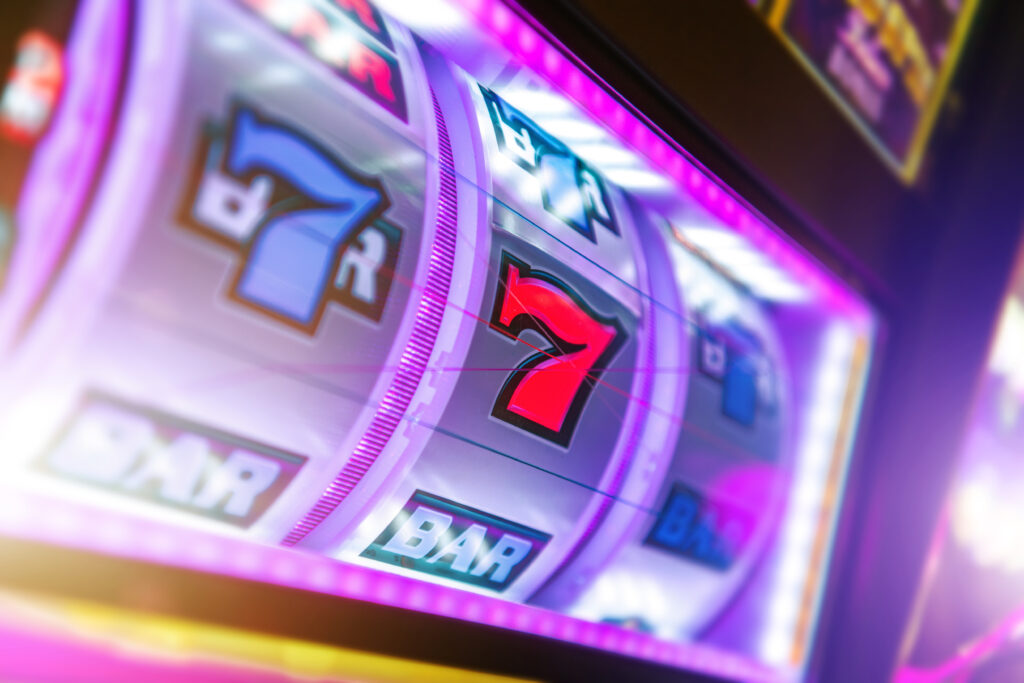
At its core, a slot machine is a game with spinning reels. If you decide to play, you choose an amount, press a button or pull a lever, and the reels stop to reveal a set of symbols. If certain patterns appear, the machine pays out.
What makes each spin unpredictable is a built-in process called a Random Number Generator (RNG). This behind-the-scenes system ensures that every spin is independent and fair, with outcomes selected at random the moment you press spin. This means no spin can influence the next, even if they look the same or happen right after one another.
You’ll also notice a few technical terms when looking at a game’s information screen:
- A table that shows what symbols mean.
- A percentage that hints at how the game behaves over time.
- A word that suggests how frequently or sharply the machine tends to pay.
These pieces help sketch the rhythm of a slot without getting too detailed upfront.
How Do You Start Playing a Slot in a Casino?
Beginning a session is simple. If you decide to play, after finding a machine that appeals—maybe for its look, theme, or the way it plays—have a glance at its screen. You’ll see the game’s setup, what the possible spins cost, and whether anything extra is included.
To load credits, insert a ticket or note into the reader. Some machines also use linked cards. Your balance appears, and from there, you can choose how much to play per spin. The amount might be shown directly or broken down into smaller parts that you adjust, like coin size and number of lines.
Once you’ve picked a level that works for you, press spin. Anything you might win goes straight into your displayed credit, which you can cash out later as a printed ticket.
If anything isn’t obvious, like how symbols connect or what bonuses are possible, look for a help or information button. It shows more about how the machine works. Getting used to this once helps you approach any other machine more smoothly.
With the basics of play in place, the next step is understanding what actually happens on the reels.
Understanding Paylines, Symbols and Payouts
Earlier, we touched on patterns that trigger outcomes. These are called paylines. Some games use just one line straight across. Others have many patterns that zigzag, while a newer style counts matching symbols in any position from left to right. These are sometimes described by the number of potential combinations, such as 243 ways.
Symbols come in several varieties:
- Basic ones that pay based on how many appear together.
- Special icons that can stand in for others to complete a combination.
- Others that appear less often and often activate something extra when enough land.
Outcomes are based on what symbols appear and the amount a player is spinning with. A longer combination usually means a higher payout. For instance, five themed symbols might give a return many times the spin amount, depending on the paytable.
By this stage, the earlier mention of how often a game pays and the shape of its outcomes becomes clearer. Those details help you get a feel for what the game might do over a session, whether you might see frequent results or wait longer for something more noticeable.
And once you understand this foundation, it’s easier to spot what sets different slot types apart.
What Are the Different Types of Slots?
All slots follow the same basic idea, but they come in a wide range of formats.
Classic slots tend to have a straightforward setup: three reels, a small number of symbols, and little in the way of extra effects.
Video slots add more depth. They often have five reels, detailed themes, and extra rounds where the screen changes, new features kick in, or symbols behave differently. These games might include modifiers—elements that boost a combination or change how reels spin—building on ideas like the ones briefly introduced earlier.
Megaways and other “ways-based” slots remove traditional paylines altogether. Instead, the number of visible symbols changes each spin, creating a much larger number of potential combinations. These games often shift in pace, offering a different feel from one moment to the next.
Progressive slots include a shared prize that grows. Many machines contribute to the same total, which increases until someone wins it. Each spin plays out the same way regardless of that total, though some games ask for a certain spin amount to be eligible for the prize, something explained in the machine’s rules screen.
Finally, there are themed or branded slots, which use popular media—like films or music—to create their look and sound. Underneath the style, they work just like any other machine.
If you’re considering exploring these types, a practical question naturally follows: how do you decide what amount to spin with?
How Much Should You Bet on a Slot Machine?
If you’re deciding how much to bet on a slot, you might want to start by thinking about how long you’d like your session to last. Once you have a rough idea of your budget and timeframe, you can choose a spin amount that suits that plan. For instance, if you’ve set aside £40, you might look at bets in the region of 40p to £1 per spin, depending on the kind of pace you’re aiming for.
Most machines display the available betting range clearly on the screen. Some will have fixed options, while others allow you to adjust elements such as the number of lines or combinations in play. You might also notice that certain features only become available at particular settings, which is something to keep in mind when deciding how you’d like to play.
While the underlying percentages tend to stay consistent regardless of stake, the experience can feel quite different depending on how much you’re betting. Volatility starts to show itself more clearly here. It can affect how your balance shifts from spin to spin, depending on the type of slot you’re playing.
It might be worth checking in with yourself after a few spins. If the amount you’re betting doesn’t feel quite right, adjusting it can help bring things back in line with your session. There’s no pressure to stick to a setting that doesn’t suit your pace.
How Do Bonus Features and Free Spins Work?
Features are what break up the regular rhythm of play. They usually begin when certain symbols land, often ones mentioned earlier that don’t need to follow paylines. These might need to appear on specific reels or in certain numbers to trigger something extra.
The most common addition is free spins. If you choose to play, these give you a set of spins without using up your displayed credit, played at the same amount that triggered them. Many include extra mechanics:
- Symbols that multiply outcomes.
- Additional wilds or growing icons that appear during the bonus.
- Reels or positions that stay fixed until the round ends.
Some slots also include mini-games where you pick items for hidden amounts, or spinning wheels that award a prize or launch another feature. The paytable lays out the rules for each bonus, including how it behaves, whether it can trigger again, or if there’s a cap on what it gives.
Even with these changes, each spin or result is still decided in the same way—independently. That early point about each spin standing alone still applies here.
With all of this in place, the last section offers a few ways to keep your time at the machine in balance.
Tips for Playing Slots Responsibly
If you choose to play slots, there are a few things you might find helpful for keeping your session balanced and more enjoyable from start to finish. One approach is to decide in advance how much you’re comfortable spending and how long you’d like to play. Once you’ve set those boundaries, it can make the experience feel clearer and more focused.
Choosing a spin amount that fits with your overall budget means you’re more likely to get the number of spins you’re aiming for. If things aren’t going the way you’d hoped, it can be tempting to increase your bet in response. But doing so often causes your balance to shift more quickly, not always in a way that’s easy to keep up with.
Before you begin, it’s worth taking a moment to check the game’s information screen. Now that you know what to look for, such as Return To Player (RTP), volatility, and feature rules, that screen becomes one way to get a sense of how the game might play out.
If you’ve been at the machine for a while, a short break can also help. Even stepping away for a few minutes gives you space to reset and return with a clearer head.
Many casinos and online sites offer tools that you can set before or during your session. These might include deposit limits, reminders, or options to pause play for a period of time—all designed to help you keep things within the plan you’ve set.
And if you ever feel that playing slots is becoming harder to manage, support is available. Organisations like GamCare, BeGambleAware, and the National Gambling Helpline offer free, confidential help at any time.
Understanding how slots work, choosing a pace that suits you, and knowing where to turn if you need to—all of these things contribute to a more responsible playing experience.
**The information provided in this blog is intended for educational purposes and should not be construed as betting advice or a guarantee of success. Always gamble responsibly.