
Irish Bingo Explained: Rules, Calls & How You Play It
Irish bingo is a popular take on the classic game, with its own traditions and number calls. If you are new, a quick look at how it works, what the calls mean, and the rules for winning makes it easy to join in.
This guide covers the basics, from the usual 90-ball card layout to how a session flows, plus the phrases you will hear from the caller and how wins are checked.
Everything is explained clearly, so it suits anyone curious about Irish bingo, whether you have played before or not.
What Is Irish Bingo?
Irish bingo is a community game based on traditional bingo, but with features and styles that are well known in Ireland. It is usually played as 90-ball bingo, so the rules will feel familiar if you have tried standard versions, yet the phrases, calls and small customs give it a character of its own.
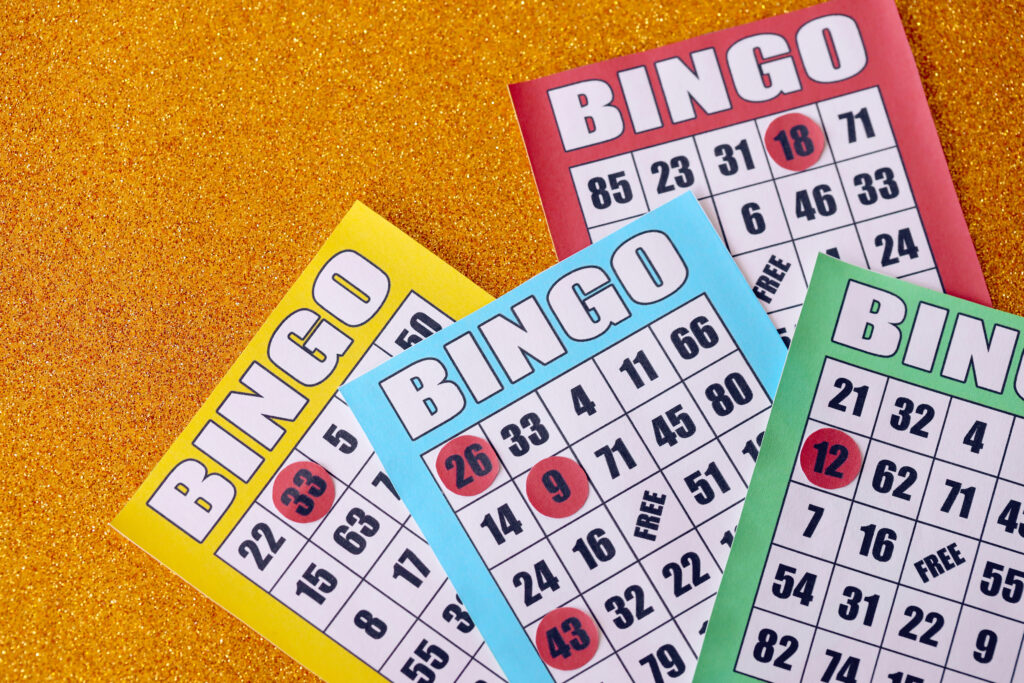
Players use a card with a grid of numbers while a caller announces numbers one by one. The aim is to complete a pattern, often a single line, two lines or a full house, where every number on the card is marked.
Different venues may add local flavour to the experience with their own sayings or small house rules. With that in mind, here is how a typical game unfolds.
How Do You Play Irish Bingo?
Irish bingo is a numbers game with a clear set of rules. The objective is to mark off numbers on your card as they are called, following the patterns specified by the organiser. Understanding the layout of the card before play begins helps you keep track of numbers more efficiently.
Understanding The Card Layout
Familiarity with the structure of the card can make it easier to locate numbers during the game. Each column corresponds to a specific range, which provides a consistent method for organising and finding numbers.
In Irish bingo, each player typically receives a card laid out in a 9-column by 3-row grid. Each row contains five numbers and four empty spaces. The columns follow number ranges that help players find what is called more quickly. The first column covers 1 to 9, the second 10 to 19, and so on up to the final column with 80 to 90.
Design details can vary slightly depending on the organiser and setting, but the structure above is the norm. Understanding the ranges allows players to follow the game efficiently and keep track of called numbers.
Calling Numbers And Marking Your Card
A caller selects and announces numbers from 1 to 90. Players check their cards and mark any matches, using a dabber, pen or digital tools if playing online. Before each round begins, the room is told which pattern counts for a prize. Most sessions move in stages, typically first a single line, then two lines, then a full house.
The caller keeps a steady rhythm so everyone can hear and check. If a number is missed, it is fine to rely on the clear restatement of the number rather than the nickname alone. Those phrases you hear alongside the numbers are part of the fun, so let us look at them next.
What Are The Standard Irish Bingo Calls?
Irish bingo includes a set of traditional calls that are commonly used across the UK and Ireland. These calls are intended to identify numbers in a consistent way, often using rhymes or nicknames that are easy to remember. While some variations exist depending on the caller or location, the purpose of the calls is simply to ensure each number is clearly communicated to all players.
Common Phrases And Their Meanings
Familiarity with standard calls can help you follow the game and mark numbers accurately. Each phrase corresponds to a specific number, but it is not essential to memorise every nickname before playing. The primary function is to provide clarity and assist the caller in announcing numbers efficiently.
Examples you might encounter include:
- Kelly’s Eye for 1
- On its own for single-digit numbers, such as On its own, number 4
- Garden gate for 8
- Legs eleven for 11
- Two little ducks for 22
- Half a crown for 26
- Top of the shop for 90
- Two fat ladies for 88
Halls and events sometimes swap in local references or playful lines, and some callers prefer shorter confirmations. The key point is that the number is always spoken clearly, so knowing every nickname is optional. Once the system of calls is understood, the next consideration is how a win is claimed and verified.
Are There Specific Rules For Winning In Irish Bingo?
Irish bingo sets clear conditions for winning, announced at the start of each game and again before each stage. Prizes are most often awarded for a single horizontal line, two separate lines on the same card, and a full house, where all numbers are marked.
When a player completes the required pattern, they signal straight away, usually by calling out, pressing a button in digital games, or alerting a host. The organiser then verifies the claim. This can involve reading back the marked numbers, cross-checking with a control ticket, or using an electronic system that logs every call. If more than one person completes the pattern on the same number, the prize is commonly shared or split according to stated house rules.
False or late calls are handled fairly. If the pattern is not complete when checked, play continues. If the next number has already been called before a valid claim is made, the decision usually follows the venue’s stated policy on late declarations. These checks keep the game transparent and consistent from one session to the next.
**The information provided in this blog is intended for educational purposes and should not be construed as betting advice or a guarantee of success. Always gamble responsibly.