
Is Zero 0 Classed as Even in Roulette? Number Rules Explained
If you have ever sat at a roulette table, you might have wondered where the green zero fits in. Does it count as even, or does it follow its own rules?
Roulette is known for simple choices like red or black and odd or even. Then zero appears, sits in green, and suddenly those neat categories do not look so clear.
If you are unsure whether an even bet wins when the ball lands on zero, or you just want the number rules set out plainly, this guide has you covered.
Is Zero Considered Even In Roulette?
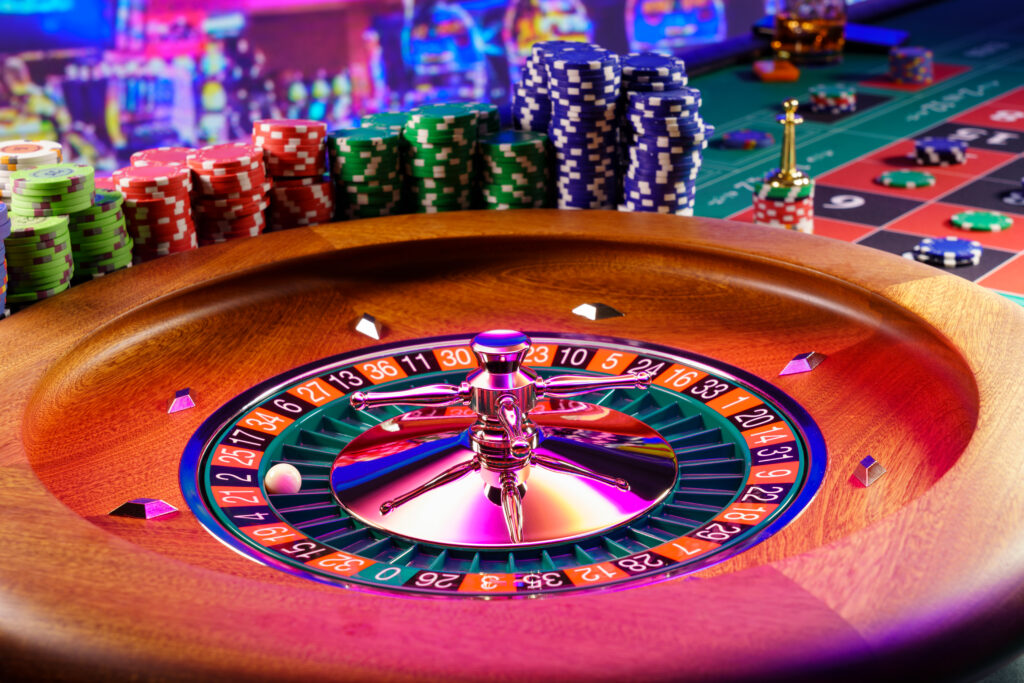
Zero is not considered an even number in roulette. For betting purposes it sits outside both even and odd, and is treated as its own outcome.
An even bet covers the even numbers from 2 to 36 only. Zero is excluded from that group, and it is not part of the odd numbers either. On both the wheel and the table layout it appears in green to highlight this special status.
If the ball lands on zero and you have backed even, the bet loses. The same applies to odd, red, and black, as these are all “even‑money” wagers that do not include zero.
Some tables offer specific rules when zero hits on an even‑money bet. With la partage, half your stake is returned; with en prison, your stake may be held for the next spin. These variations are not universal, so always check the table rules before you play.
Note that wheel type also matters. European roulette has a single zero, while American roulette adds a double zero. Both zero pockets are excluded from even and odd, and the extra pocket on American wheels generally increases the house edge.
The difference between classroom mathematics and casino rules often causes confusion: although zero is an even integer in maths, roulette uses a distinct betting framework where zero is treated separately.
Always play responsibly, and make sure you understand the specific rules and payouts at your chosen table before placing any bets.
Is Zero Even Mathematically?
In mathematics, zero is an even number. By definition, an integer is even if it is divisible by two with no remainder, and zero satisfies that rule because 0 ÷ 2 = 0.
If you split zero into two equal parts, you still have zero on each side, which is consistent with what “even” means in maths. Zero also sits symmetrically on the number line between positive and negative even numbers, reinforcing its even parity.
Roulette, however, uses a distinct classification purely for betting purposes. Although zero is mathematically even, it is not included in the “even” or “odd” betting boxes on the layout. On most tables, a spin landing on zero results in even‑money bets (such as red/black or even/odd) losing, and this is one of the ways the house edge is maintained.
Some variants, such as certain French or European roulette tables, may apply specific rules like la partage or en prison, where an even‑money stake may be halved or held over to the next spin when zero appears. These rules are not universal, can vary by venue and jurisdiction, and should be checked on the table rules before you play.
This information is for guidance only. Outcomes are determined by chance, and you should only gamble if you are over 18, set limits, and never bet more than you can afford to lose.
How Is Zero Treated For Even-Money Bets?
Even-money bets are the broad, lower-payout options such as even, odd, red, and black, which typically pay 1:1. They cover roughly half the numbered layout, but zero sits outside these categories.
Zero is a separate green pocket and is not classed as red/black or even/odd. If the ball lands on zero, these bets usually lose on most tables, including many single-zero European games and double-zero American games. This single outcome is one of the small but significant ways the house maintains an advantage over time, and each spin is random and independent.
Some tables use rules that soften this effect when zero appears, particularly on European and French layouts. With la partage, for example, half of an affected even-money stake is returned when zero hits; with en prison, the stake is held for the next spin and resolved then. These variants are not universal and must be clearly stated at the table.
Always review the game rules and paytable before placing a bet, as availability of these rules and the return to player (RTP) can vary by table and operator. If unsure, ask the dealer or consult the game’s help section so you understand how zero is handled on your chosen table.
How Do En Prison And La Partage Change Zero’s Impact?
Some versions of roulette, especially at French and many European tables, apply En Prison or La Partage to even‑money bets when zero lands. Both rules reduce the immediate loss on that spin, although they work in different ways and only affect how that specific outcome is settled.
These rules do not change the odds of zero appearing or remove the house advantage. They simply alter how your even‑money stake is treated when the ball lands on zero. Availability varies by venue and game variant, so always check the table rules before playing.
En Prison Rule: What Happens To Your Stake?
With En Prison, if zero appears after you have placed an even‑money bet, your stake does not settle straight away. Instead, it is held on the layout for the next spin, effectively “imprisoned” until the following result is known.
If that next spin would have won your original even‑money bet, your stake is returned to you with no additional profit. If it would have lost, the stake is taken by the house. In practice, this gives the bet one extra chance to recover the original stake rather than losing it immediately.
For example, a £10 wager on Red goes to zero. Under En Prison, the £10 remains on Red for the next spin. If Red then wins, you simply get your £10 back; if it loses, you forfeit the £10. Specific table rules can differ, so confirm how En Prison is applied before you start.
La Partage Rule: What Happens To Your Stake?
With La Partage, if zero lands on an even‑money bet, half of the stake is immediately returned and the other half is taken by the house. There is no follow‑up spin or carry‑over of the stake.
This straightforward split reduces the cost of a zero outcome on those specific bets. For instance, a £10 even‑money stake would see £5 returned and £5 lost when zero hits, helping to limit losses on that particular spin.
Both La Partage and En Prison typically apply to even‑money outside bets only and are not guaranteed across all games. They slightly reduce the effective house edge on those bets compared with the same wheel without these rules, but they do not guarantee profit. Always set limits, play within your budget, and only if you are 18+.
European Versus American Wheels: How Zero Differs
Not all roulette wheels are the same, and the green pockets are the key difference. They determine the number of pockets on the wheel and directly affect the probabilities and the built‑in house edge.
A European wheel has a single zero. That means 37 pockets in total, which slightly improves the probabilities on most bets compared with formats that include two green pockets. On standard bets, the house edge is typically around 2.70%, and even‑money wagers are not true 50/50 outcomes because the single zero can result in a loss.
An American wheel has two green pockets, zero and double zero, for a total of 38 pockets. That extra green slot increases the house edge to about 5.26% on most standard bets. The effect is most noticeable on even‑money wagers such as red/black or even/odd, where the additional green pocket reduces the long‑term expected return.
Before you place a bet, check which wheel is in use and confirm the table rules. Outcomes are random, and no staking plan or strategy can remove the house edge or guarantee a profit.
Knowing the wheel type helps you understand the odds and expected returns so you can choose the game that suits your budget and preferences. Set limits, play within your means, and treat roulette as a form of entertainment.
Does Zero Affect Payouts And House Edge?
Zero has a clear effect on both the chance of winning and the house edge. It does not change the stated payouts, but it does reduce the probability of many bets winning, which lowers the overall return to player.
Even-money bets pay 1:1, but the chance of those bets winning is lower than 50 per cent because zero is not included in either side. Whenever the ball lands on zero, those even-money bets lose, and that gap is what creates the house edge. On European roulette, the win chance for an even-money bet is 18 out of 37 spins (about 48.65 per cent), rather than 50 per cent.
On a European wheel with a single zero, the house edge is about 2.7 per cent. On an American wheel with zero and double zero, it rises to around 5.26 per cent because the winning probability drops further (18 out of 38, about 47.37 per cent). Over time, that difference can add up across many spins, although short-term results will vary.
Zero also affects other bets in a similar way. For example, a straight-up bet pays 35:1, but the true odds on a single-zero wheel are 1 in 37; that mismatch is another part of how the house edge arises. Some European tables may offer rules like la partage or en prison on even-money bets, which can reduce the edge, but these are not always available and depend on the specific table rules.
Outcomes are random and cannot be predicted. The house edge is a long-term average, not a guarantee for any session. Always set a limit, only gamble what you can afford to lose, and stop if it stops being fun.
Odds And Probabilities For Even Bets Including Zero
Even bets might feel like a simple coin flip, but the presence of the green zero changes the maths and shifts the balance away from a true 50/50 outcome.
On a European wheel there are 37 pockets in total: eighteen even, eighteen odd, and a single zero. This means an even bet wins 18 out of 37 spins, which is approximately 48.6 per cent. The payout is 1:1, but because the probability is below 50 per cent, the zero creates the house edge.
On an American wheel there are 38 pockets because of the additional double zero. Here, an even bet wins 18 out of 38 spins, or about 47.4 per cent. That small reduction reflects the extra green pocket and increases the house advantage compared with European wheels.
These figures are theoretical probabilities per spin. Each spin is independent, outcomes are random, and past results do not influence future ones. Over the long term this edge equates to roughly 2.70% on European wheels and about 5.26% on American wheels for even-money bets.
Rules and variants can differ by table, so check the game information before playing. Gambling should be for entertainment only; never bet more than you can afford to lose and consider setting limits.
Does Zero Count For Column Or Dozen Bets?
Zero does not count for column or dozen bets. Those options only cover the numbered sets shown on the layout and exclude the zero pocket.
A column bet covers one of the three vertical columns of 12 numbers. Dozen bets cover 1 to 12, 13 to 24, or 25 to 36. Zero sits apart from all of these groups. If the ball lands on zero when you have a column or dozen bet, the wager loses.
Column and dozen bets typically pay 2:1 precisely because they do not include zero. On American layouts with 0 and 00, neither zero nor double zero counts for these bets. Always check the table rules and paytable for the specific variant you are playing.
If covering zero matters to you, it has to be backed directly as a straight-up bet, or via combinations that specify it (for example 0–1, 0–2, or 0–3 splits on a single-zero European layout). Availability of particular combinations can vary by game provider.
Gambling involves risk. Set limits, play within your means, and seek support if you need help managing your play.
Where Is Zero On The Wheel And Table?
Zero is clearly marked in green on both the wheel and the felt, which signals its special status in the game. It is the only number that is neither red nor black, and it is not classed as odd or even.
On the wheel, it appears as a distinct green pocket. European wheels have a single zero, while American wheels have both zero and double zero, each in green. The precise order of numbers around the rim differs by wheel type, but zero remains set apart visually.
This difference also affects the house edge. A single‑zero (European) wheel typically carries a house edge of about 2.70%, while a double‑zero (American) wheel is higher at about 5.26%. Check the table rules and paytable at your venue, as formats and returns can vary.
On the betting layout, zero is placed at the top, above the grids of red and black numbers. On American layouts, the double zero sits alongside it. Their separate boxes make it clear that they do not belong to the usual outside groups of bets.
Zero can be included in specific inside bets. On many layouts you may place splits such as 0–1, 0–2, or 0–3, and certain trios/streets where available. The exact bet options permitted can differ between European, French, and American tables, so always confirm what your table allows.
When the ball lands on zero, most even‑money outside bets (red/black, odd/even, 1–18/19–36) will usually lose. Some European and French tables offer rules such as la partage or en prison that can reduce the loss on these bets; availability and terms depend on the house rules.
Roulette outcomes are random, and no strategy can remove the house edge. Set limits, play within your means, and only gamble if you can do so responsibly.
Can You Bet Directly On Zero?
Yes, you can bet directly on zero.
This is a straight-up bet placed on the zero box itself. If the ball lands on zero, the bet pays 35:1, and your original stake is returned in addition to any winnings. Chip placement must be clear and within table limits set by the casino.
On a single-zero (European) wheel, the chance of zero (or any specific number) landing is 1 in 37, around 2.70%. On a double-zero (American) wheel, it is 1 in 38, around 2.63%. The house edge is built into these odds and cannot be overcome by betting systems.
Many players include zero among their inside numbers because it is not covered by common outside bets such as red/black, odd/even, high/low, dozens, or columns. The probability of any single number is low, and the 35:1 payout reflects that risk and the house margin.
Outcomes are random and no strategy can guarantee a win. Set a budget, take breaks, and avoid chasing losses. Only gamble if you are 18+ and it remains affordable and enjoyable.
With a clear understanding of how zero is treated on the layout and across different wheel types and rules, you can make informed choices at the table.
**The information provided in this blog is intended for educational purposes and should not be construed as betting advice or a guarantee of success. Always gamble responsibly.