Lottery Rollover Explained: What Happens When No One Wins?
Big Lotto jackpots often make the headlines, but the way those prize amounts change from week to week isn’t always clear.
If you’ve ever wondered why the top potential prize sometimes grows, or what it means when you hear about a “Must Be Won” draw, this blog will guide you through it.
We’ll look at how the UK Lotto jackpot is managed when there’s no outright winner, how long it can keep rolling over, and what happens when the limit is reached. Understanding these rules can help you follow each draw with confidence and make sense of the results.
How Does A Lottery Rollover Work?
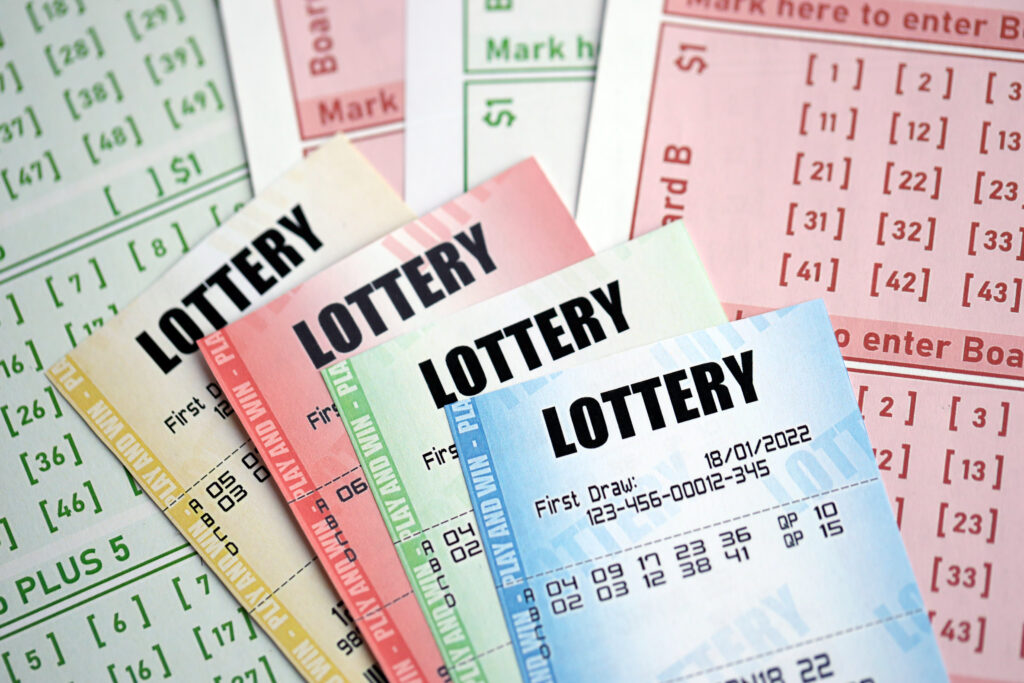
In the UK National Lottery game, Lotto, you select six numbers between 1 and 59. A separate Bonus Ball is also drawn, which is only used for a certain prize tier. A standard ticket costs £2, and draws take place on Wednesday and Saturday evenings.
If no one matches all six main numbers, the jackpot is not paid out. Instead, it is rolled into the next draw. This means the headline jackpot is made up of the unclaimed amount, plus a share of ticket sales from the new draw.
For example, if a £5 million jackpot goes unclaimed, that £5 million is added to the next draw, making the pot even bigger.
The odds of matching all six main numbers are 1 in 45,057,474. This remains the same for every draw, no matter how high the jackpot has grown.
What Happens To The Jackpot When Nobody Wins?
When there are no jackpot winners, the top prize moves forward to the next scheduled draw. The other prize tiers are not affected, so players matching two, three, four, or five numbers still receive the standard amounts.
The rollover limit is five. This means the jackpot can roll forward a maximum of five consecutive draws. On the sixth draw, known as a Must Be Won draw, the jackpot cannot roll again.
Two things can then happen:
- If someone matches all six numbers, they take the full jackpot.
- If nobody does, the jackpot is rolled down and shared across the lower prize tiers.
For instance, if a £12 million jackpot reaches a Must Be Won draw with no winner, that £12 million is divided among winners in the other tiers. This could mean that a player matching three numbers, who would normally receive £30, might instead receive closer to £100, depending on how many people win in each tier.
Does Every Lottery Have Rollovers?
Not every National Lottery game uses rollovers. The Lotto does, but other games work differently.
- EuroMillions also rolls jackpots forward, but it has a separate cap. Once the cap is reached, extra funds are shared among winners in the other prize tiers.
- Set For Life and the Thunderball have fixed top potential prizes. These do not roll over; if nobody wins, the prize amount stays the same for the next draw.
This is why it is important to check the rules of the specific lottery game you play.
How Many Times Can A Jackpot Roll Over?
In the UK Lotto, the jackpot can roll over a maximum of five times. On the sixth draw, the jackpot becomes a Must Be Won event.
Here’s how it works step by step:
- Draw 1 – No jackpot winner → jackpot rolls to Draw 2.
- Draw 2 – No jackpot winner → jackpot rolls to Draw 3.
- Draw 3 – No jackpot winner → jackpot rolls to Draw 4.
- Draw 4 – No jackpot winner → jackpot rolls to Draw 5.
- Draw 5 – No jackpot winner → jackpot rolls to Draw 6.
- Draw 6 – Must Be Won → jackpot is either paid to a winner or rolled down.
This limit keeps jackpots from climbing without an end and guarantees that the top prize is paid out on the Must Be Won draw.
Rollover Limits And What They Mean For Players
The UK National Lottery explains that the Lotto jackpot can roll over a maximum of five times. If nobody matches all six main numbers after these rollovers, the following draw is automatically classed as a “Must Be Won” event.
In a Must Be Won draw, the jackpot cannot roll over again. If at least one player matches all six main numbers, they receive the full jackpot. If no one does, the entire jackpot fund is shared across winners in the other prize tiers through a rolldown.
What Happens When The Jackpot Reaches Its Cap?
When the Lotto reaches its fifth rollover, the next draw must pay out the jackpot.
- If someone matches all six numbers, they win the full amount.
- If not, the jackpot is rolled down and shared between winners in the lower tiers.
This sharing process means players who match two, three, four, or five numbers can potentially receive more than the usual fixed prize. The exact uplift depends on the number of winners in each tier and the size of the jackpot being rolled down.
Why Do Rollovers Make Jackpots Bigger?
Rollovers make jackpots larger because they carry unclaimed prize money forward. Each new draw also adds a portion of ticket sales, so the pot grows more quickly during rollover streaks.
This may lead to eye-catching headline amounts, especially when multiple rollovers occur in a row. The larger potential prize fund can attract more entries, which in turn can make jackpots rise even faster.
Should You Play During A Lottery Rollover?
Choosing when to play is a personal decision. Some people prefer the bigger possible jackpots that come with rollovers. Others may be more interested in Must Be Won draws because the jackpot is guaranteed to be paid out in that draw.
It’s important to keep a few things in mind:
- The cost per line is £2. Only spend what you are comfortable with.
- The odds of matching six numbers do not change, no matter how large the jackpot becomes.
- The Lotto and other draw games are games of chance, so outcomes can never be predicted.
Lotteries are designed as games of chance. There is no strategy that can guarantee a win, and outcomes are always random. If you choose to play, set personal limits on how much you are comfortable spending and treat it as entertainment, rather than a way to make money.
*All values (Bet Levels, Maximum Wins etc.) mentioned in relation to these games are subject to change at any time. Game features mentioned may not be available in some jurisdictions.
**The information provided in this blog is intended for educational purposes and should not be construed as betting advice or a guarantee of success. Always gamble responsibly.