
Maximum Bet on Roulette Explained: Table Limits & Wager Caps
Roulette tables in casinos and online sites always have clear rules about how much a person is allowed to bet. These limits are set to promote fair play and support responsible spending.
Understanding the difference between maximum bets, table limits, and wager caps is important for anyone interested in roulette. Knowing how these rules work may help avoid common mistakes that slow play at the table.
This blog explores what maximum bets are, how casinos decide them, and how payout limits work for different bet types. You will also see how limits vary between online and land-based casinos, and what to do if you want to place larger stakes. These limits exist to support responsible gambling and keep payouts practical.
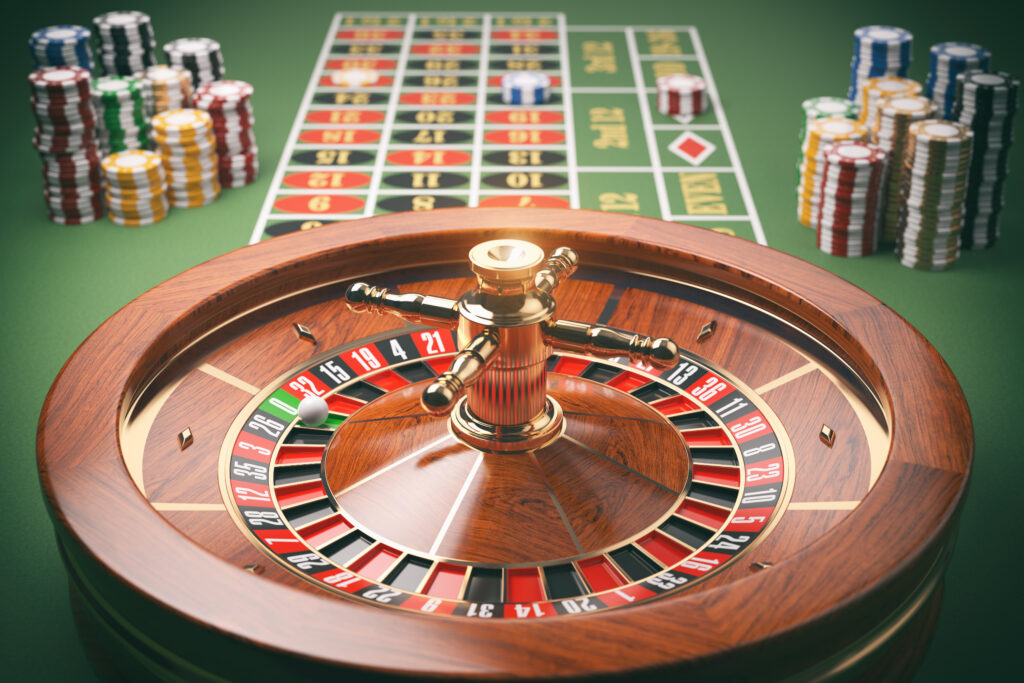
What Is A Maximum Bet On A Roulette Table?
A maximum bet on a roulette table is the highest amount of money a player is allowed to wager on a single spin. This rule sets the upper boundary for that round, and different tables may have different maximums.
Casinos use these limits to protect both the player and the house. They help keep spending within boundaries the venue is prepared to cover if a large win occurs.
Maximums may apply to the whole table or to specific bet types, such as single numbers or outside bets. Single-number bets usually have their own caps, which are often set lower than those for other wagers.
Players should always check the posted maximums before placing chips. In both online and land-based settings, these limits are shown clearly. So how does this differ from the overall table limit or a cap on a specific wager?
Understanding Table Limits Versus Wager Caps
Table limits and wager caps are separate rules that shape how much a player may stake on a spin.
The table limit is the total amount a player may stake across all bets placed on a single spin. It is the highest combined outlay allowed for that round, regardless of how many chips are spread out.
A wager cap is different. It is the most that may be placed on one type of bet, such as a single number, a split, or an outside bet like red/black. Each category might have its own cap set by the house.
For example, a table might have a £5,000 table maximum, a £100 cap on a single straight-up number, and a £2,000 cap on red/black. The lower cap on the single number keeps potential payouts within defined boundaries, while the higher cap on outside bets reflects their lower payout rate.
With that separation in mind, how do casinos pick the numbers?
How Do Casinos Decide Roulette Maximum Bets?
Casinos set maximums by balancing potential payouts with what the venue is prepared to pay out on a single spin. The aim is to keep the game financially stable without restricting ordinary play.
Several factors come into play: the venue’s approach to financial exposure, the type of table (standard or higher-stakes), player demand, and the average bet size the table attracts. Online sites may host more tables at varied stakes, while physical venues rely on space, staffing, and security when setting limits.
They also consider the payout odds of each bet type. Higher-paying bets, such as straight-up numbers, tend to have lower caps so potential wins remain within a defined range.
Those policies feed directly into how caps for high-paying bets are calculated.
How Are Wager Caps Calculated For Single-Number Payouts?
Wager caps for single-number bets are usually set by working backwards from the maximum payout the house is prepared to cover on that result.
A straight-up win pays 35 to 1, with the original stake returned separately. If a casino wants to keep its liability for a single-number result to £4,200, it will set the cap at around £120, because £120 multiplied by 35 equals £4,200. In practice, operators often round caps to tidy figures.
The same logic applies to other inside bets. A split pays 17 to 1, a street 11 to 1, and so on, so their caps are calculated against those payout rates.
Now, what might you be allowed to place on a single number at the tables you find?
What Is The Maximum Bet Allowed On A Single Number?
The maximum bet on a single number is almost always lower than for other bet types. It is set by the operator and reflects the size of the top payout they are prepared to handle.
On many standard tables, straight-up caps tend to sit somewhere between a few pounds and around £100. Higher-stakes or VIP tables might offer larger single-number maxima, sometimes several hundred pounds, but this varies by venue.
The exact figure may differ between casinos and even between tables at the same property. Live and online games display these limits clearly, so it is worth checking before placing larger stakes.
Limits also vary by bet category, which is where inside and outside stakes come in.
How Do Table Limits Differ Between Inside And Outside Bets?
Roulette tables often have separate limits for inside and outside bets, linked to where the chips are placed on the layout.
Inside bets cover individual numbers and small groups of numbers. Because these pay at higher rates, their per-bet caps tend to be lower, and tables may also set a total cap for all inside bets combined.
Outside bets cover broader number groups such as red/black, odd/even, or dozens. They pay at lower rates, so casinos may allow higher maximums on these. A table might, for instance, allow a larger stake on red/black than on any single number, even though the overall table maximum remains the same.
These differences appear differently online and in physical venues.
Do Online Roulette Maximums Differ From Land Based Tables?
Online roulette often offers a wider range of limits than land-based casinos. Lower operating costs and flexible table configurations mean online operators may host everything from low-stakes games to higher-limit rooms.
Land-based casinos tend to group higher limits in specific areas or rooms. Space, staffing, and cash-handling procedures all influence the top stakes allowed on the main floor.
In both cases, limits are shown before you join a table, and the software or dealer will prevent bets outside the posted range. If the listed stakes still feel restrictive, there is a way to ask for a higher limit.
How Can I Request A Higher Table Limit?
If a player wants to bet above the standard table limit, they may request a higher limit. This is common online and in land-based venues, though approval is never guaranteed.
In a land-based casino, a supervisor or manager handles the request. Identification, an active account, and a brief review of the player’s history at the venue might be required. Decisions depend on house policy and the stakes requested.
Online, requests usually go through customer support or the account area. Some sites offer higher limits to eligible players through dedicated programmes.
Each operator follows its own checks and procedures, and increases are only granted if the venue is satisfied with the level of financial exposure. Even with higher limits, the cap still shapes payouts and the casino’s liability.
How Maximum Bets Affect Payouts And Casino Exposure
Maximum bets place a ceiling on how much a casino might have to pay on any given spin. By setting an upper boundary on stake sizes, the operator manages its financial exposure while keeping the game running smoothly.
These limits do not change the odds or the house edge. They simply define the size of potential wins and losses. Clear limits may also help players plan their play and stick to a set budget.
Example Calculation Of A Maximum Bet For A 35:1 Payout
As outlined earlier, a straight-up win pays 35 to 1. If the house is prepared to pay a maximum straight-up win of £3,500, the cap for that bet will usually be £100, because £100 multiplied by 35 equals £3,500. The original £100 stake would then be returned separately.
Either way, the rules are enforced at the table.
What Happens If My Bet Exceeds The Table Limit?
If a player places a bet that is higher than the table limit, the casino will not accept the full amount. In a land-based casino, staff will point out the posted rules and return any chips above the allowed figure.
Online, the software blocks stakes that sit outside the permitted range and shows an on-screen message so the bet may be adjusted.
Limits are enforced to keep play fair and consistent. Gambling involves the possibility of financial loss. Only gamble with money you are prepared to lose. If gambling begins to affect your finances or personal life, support is available. Independent organisations such as GamCare and GambleAware provide free, confidential assistance.
Play Roulette Online at O’Reels
If you are interested in playing roulette online, O’Reels offers a range of live dealer and Random Number Generator (RNG) games to suit different preferences.
O’Reels is licensed and regulated by the UK Gambling Commission, and the site meets strict standards for player protection and fairness.
We also provide practical tools to help you manage your play, including deposit limits, reality checks, self-exclusion options, and links to independent support.
There is a wide selection of roulette tables available, with clearly posted limits so you can choose the stakes that suit you. If you would like to join us at O’Reels, feel free to create an account, deposit some funds to play with and explore our games at your own pace.
**The information provided in this blog is intended for educational purposes and should not be construed as betting advice or a guarantee of success. Always gamble responsibly.