
Poker Chip Breakdown: How Many Poker Chips Per Person
Thinking of hosting a poker game but not sure how to set things up? One of the first things people ask is how many poker chips each player will need.
Whether you are planning a home game or trying out online formats, understanding chip breakdown is an important part of getting started.
A few simple choices at the beginning can make sure everyone has enough chips, the game runs smoothly, and nobody gets confused along the way. Below, you will find what matters when dividing chips, where online play differs from home games, and practical splits that keep things simple for every player. Read on to learn more.
Understanding Poker Chips and Their Uses
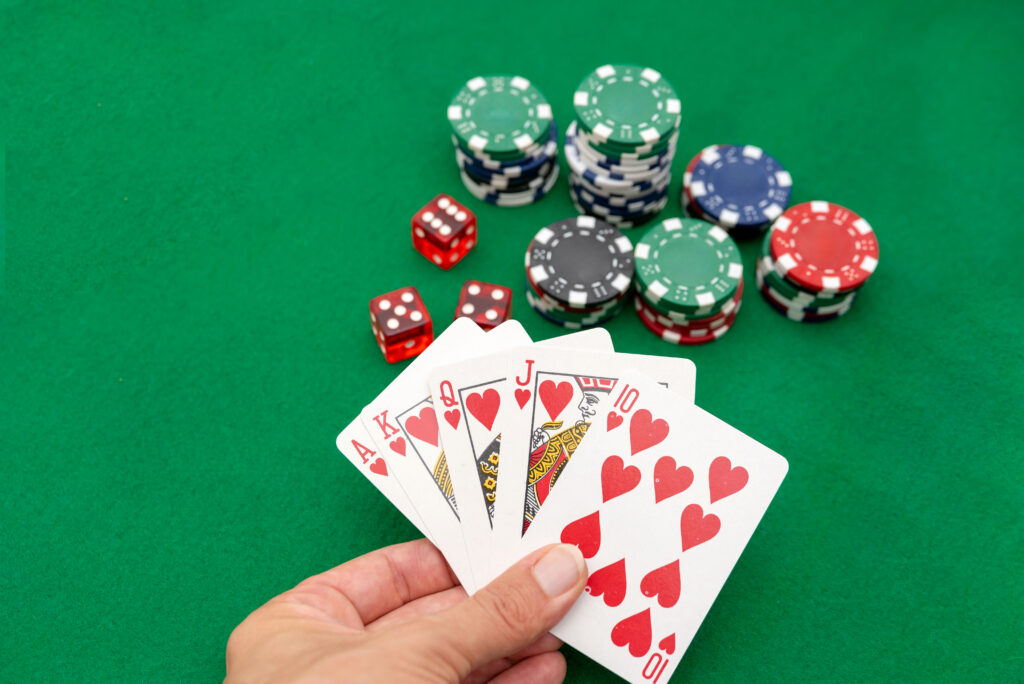
Poker chips are small discs used in place of cash in both home games and casinos. Each chip represents a set value, which can range from a few pence to several pounds, depending on the game.
Chips are used because they make betting, raising and counting straightforward. Colours map to values, and while there is no universal standard, many sets use a familiar pattern so players can read the table at a glance. In live games, players keep their stacks visible, which help others follow the action and makes the dealer’s job easier.
Online poker presents chips as balances on screen. The platform tracks bets automatically, but the principle is the same: clear values, consistent betting units, and visible stacks. If you are playing online, a quick check of the lobby or table info will show the values in use.
Players should always remember to gamble responsibly and within their means- never wager more than you can afford to lose.
How Many Poker Chips Do You Need for a Poker Game?
The number of chips you need depends on how many people are playing and the format you choose. For a typical home game with 6 to 10 players, a 300-chip set is usually enough for a relaxed evening. Sets commonly include three or four colours, which gives a good spread of low, medium and higher values so players can make different-sized bets without constant change-making.
Smaller gatherings of around four players often run comfortably with 200 chips. If you expect more than 10 players, or you want longer sessions, a 500-chip set gives you more flexibility and reduces the need to pause the game to swap values.
Online platforms do not use physical chips, but the same ideas apply. Values are built into the software, and buy-ins or starting stacks are shown before you join. This could help you match the digital setup to the style you are used to in home games.
What Is the Standard Poker Chip Denomination Breakdown?
Most UK sets use four colours linked to increasing values. A common structure is white at £1, red at £5, blue at £10 and black at £25, with some sets adding green at £50 or £100 for bigger games.
For a 300-chip set, a helpful spread might be 120 chips at the lowest value, 80 at the next, 60 at the next, and 40 at the highest. Using more low and mid-value chips keeps regular betting smooth and means players are not forced into using high-value chips for small pots.
Online games display the same idea as numbers on screen. Values can vary between tables, so it could be a good idea to take a look at the rules of each game before participating.
How to Divide Poker Chips for Different Player Counts
Dividing chips is about balance: give each player enough low and mid-value chips for everyday betting, with a few higher-value chips ready for bigger pots. For a small group of four, around 50 chips per person tends to work well. A simple mix might include roughly half in the lowest value, a third in the middle, and the rest in a higher value so nobody runs short when the action builds.
With 6 to 8 players, a 300-chip set is a comfortable fit. Aim for about 40 to 50 chips each, leaning towards more of the lower values. This reduces constant colour-changing and keeps the pace steady.
For 9 or 10 players, a 500-chip set helps the game flow. Everyone can start with a sensible stack without draining the lower denominations from the tray, and you will have enough higher-value chips to cover bigger pots as the evening progresses.
If you are joining an online table, the platform will allocate starting stacks for you. As noted earlier, the table info shows chip values and buy-ins so you can choose a game that feels familiar to your group’s style.
Recommended Chip Splits for 2–4 Players
In two to four-player games, about 200 total chips across the set is usually enough. Giving each person 50 to 60 chips keeps betting simple and avoids frequent change-making. A practical example for each player could be around 30 chips in the lowest value, 20 in the middle value, and 10 in a higher value. If you have a fourth colour, keep a few of those higher-value chips aside to introduce later if the pots grow.
The exact numbers should suit your blinds or typical bet sizes. For instance, if small bets are £1 and £2, a starting stack made mostly of £1 and £5 chips lets players act comfortably without jumping straight to £25 chips. That balance keeps hands moving and stops the table from constantly breaking down large values.
Recommended Chip Splits for 5–8 Players
For 5 to 8 players, aim for each person to start with roughly 40 to 60 chips, again tilting towards the lower denominations. A clear approach is to give an even mix of the lowest and middle values, with a smaller handful of the next value up. If your set includes a higher value, add a few of those to cover larger pots later on.
This kind of split maintains smooth betting in the early stages while still supporting bigger decisions later. It also helps avoid pauses for chip exchanges, especially when several players enter a pot and the amounts scale up naturally over the course of the night.
Recommended Chip Splits for 9–10 Players
With 9 to 10 players, the focus is on keeping stacks manageable and the tempo consistent. A sensible per-player mix might lean heavily on the lowest denomination, include a strong portion of the middle value, and then add a smaller number of higher-value chips. For example, something like 25 low, 20 mid, 10 higher and a few of the top value per player keeps options open without flooding the table with large chips.
If your set includes more than four colours, it could be useful to hold back the very highest value at the start, bringing it in later if the average pot size increases. That way, the table does not run short of change early on, and players can still make larger bets when the game naturally builds.
What Factors Affect the Number of Poker Chips Per Person?
A few practical points shape how many chips each player should receive. Keeping these in mind could potentially make it easier to tweak your setup for any group or game style.
- Player count: More players means more total chips, and usually a higher proportion of lower denominations so routine bets are easy to make.
- Format: Cash games and tournaments use chips differently. Tournaments tend to prefer consistent starting stacks measured in big blinds, while cash games track actual currency values on the table.
- Blinds and betting sizes: Higher blinds or bigger typical bets call for more mid and higher-value chips to prevent constant exchanges.
- Denomination spread: Too few low-value chips can slow things down; too many high-value chips can make small pots awkward.
- Set size: Most home sets come in 200, 300 or 500 chips. Match the set to your usual group and how long you expect to play.
- Rebuys or top-ups: If players can add on during a session, keep extra chips of each denomination aside so stacks stay consistent.
- Online settings: Digital tables define starting stacks and values for you. A quick check of the lobby shows how this translates to the bets you prefer.
How to Choose the Right Poker Chip Set for Home Games
If you mostly host up to four players, a 200-chip set is usually fine. For most six to eight-player nights, 300 chips is a solid choice. If you often seat nine or more, or you like longer sessions or tournament formats, a 500-chip set gives you breathing room.
Look for three or four distinct colours at a minimum so you can assign clear values that fit your blinds. Many players use a familiar pattern such as £1, £5, £10 and £25, but you can adjust to suit the group. It helps to include more chips at the lower end of the scale because those are used most often.
Chip feel matters too. Composite or clay-style chips around 11.5 grams or more are easier to handle and stack neatly on the felt. A sturdy case, a dealer button and a couple of decks of cards are potentially handy additions that keep everything organised between games.
Players should always remember to gamble responsibly and within their means- never wager more than you can afford to lose.
**The information provided in this blog is intended for educational purposes and should not be construed as betting advice or a guarantee of success. Always gamble responsibly.
*All values (Bet Levels, Maximum Wins etc.) mentioned in relation to these games are subject to change at any time. Game features mentioned may not be available in some jurisdictions.