
Single Zero vs Double Zero Roulette: House Edge & Odds Explained
Roulette is a classic casino game that’s as popular online as it is in real-life casinos. There are two main wheel types, single zero and double zero, and the one you choose can make a real difference.
Understanding the gap between them helps you get more from every session. It is not just about the numbers on the wheel, it is about your chances on each spin and how much the casino expects to keep over time.
Curious about the impact this choice has on your odds? Read on as we break down the house edge and explain the figures in simple terms, so you can make confident, informed decisions every time you play.
What Is Single Zero (European) Roulette?
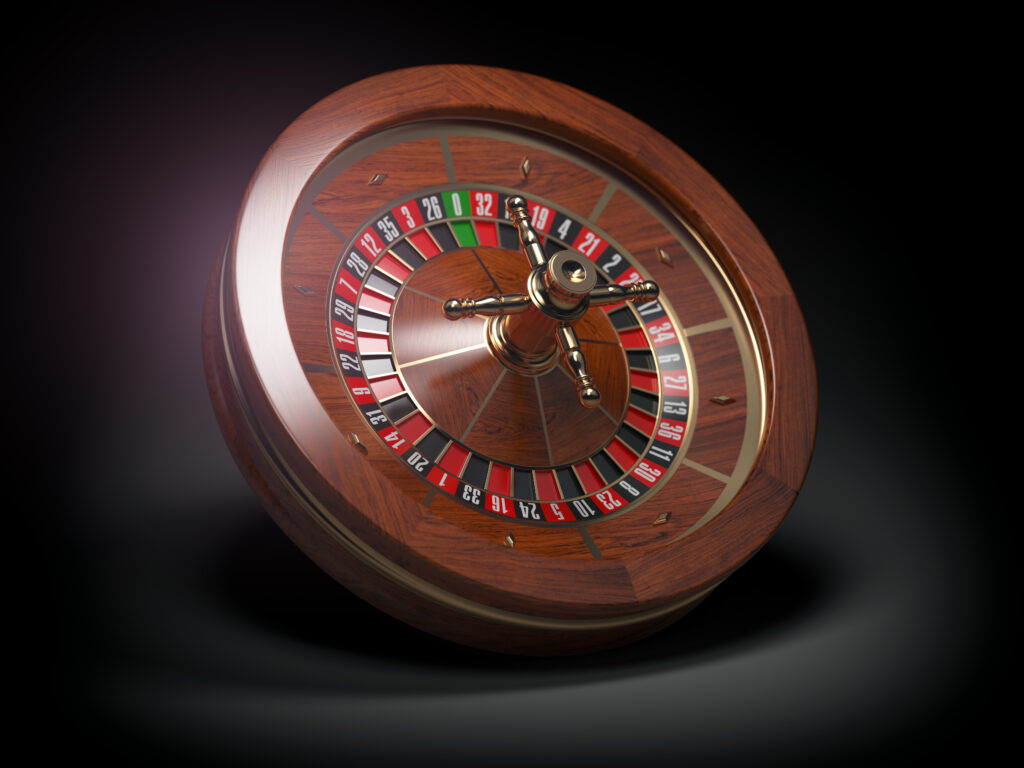
Single zero roulette, often called European roulette, is played with a wheel that has 37 pockets. These include the numbers 1 to 36 plus a single green zero, with 1–36 alternating between red and black and the zero marked in green.
That single zero is the key feature. With only one green pocket, there are fewer outcomes that favour the house compared with wheels that include an extra zero. On standard bets this typically results in a house edge of around 2.70%.
Bets are placed on where the ball will land, either on individual numbers or groups of numbers. Common “inside” bets include straight up (a single number), split (two numbers), street, corner, and six line, while “outside” bets cover broader options such as red/black, odd/even, high/low, columns, or dozens.
Because there is just one zero, the odds of winning are slightly better for players than in versions with more zeros. In some variants with French rules, such as La Partage or En Prison on even‑money bets, the effective house edge can be reduced further, though availability varies by table and you should always check the specific rules before playing.
All outcomes are determined by chance, and no betting system can remove the house edge. If you choose to play, set clear limits, avoid chasing losses, and treat roulette as entertainment rather than a way to make money. So how does the American version differ in practice?
What Is Double Zero (American) Roulette?
Double zero roulette, also called American roulette, is played on a wheel with 38 pockets in total. These cover the numbers 1 to 36, plus the single green zero (0) and an additional green double zero (00), which is positioned opposite on the wheel.
Because of the 0 and 00 pockets, there are more results that are neither red nor black, and neither odd nor even. The table layout and bet names look familiar to single-zero games, but that extra pocket subtly changes the probabilities for every wager you can place.
In practical terms, even-money bets lose when the ball lands on 0 or 00, and the payouts on winning bets do not increase to compensate. This is why the mathematical house edge on American roulette is typically around 5.26%, compared with about 2.70% on European (single-zero) wheels.
All spins are random and independent, and no betting system can remove the built-in edge. Consider the higher variance and risk before deciding which version of roulette to play.
If you choose to play, set limits, avoid chasing losses, and only stake money you can afford to lose.
How Do The Odds Differ Between Single Zero And Double Zero?
The main difference is the count of green zeros. Single zero wheels have one; double zero wheels have two. On European tables you will see only 0, while American-style tables include both 0 and 00.
With fewer zeros, single zero roulette gives you slightly better odds on every bet. The payouts are typically the same on both wheels, so the zeros are what create the margin for the house.
For example, a straight-up bet on a single number has a 1 in 37 chance of winning on a European wheel, compared with 1 in 38 on an American wheel. The probabilities are close, but the extra zero reduces your likelihood of hitting any number on the layout.
Those probabilities feed directly into the house edge, which is the key figure to compare. As a guide, European single zero roulette has a house edge of about 2.70%, while American double zero roulette is about 5.26%.
Over many spins this difference can lead to a higher average loss on double zero wheels, even though results remain random and never guaranteed on any individual spin.
Some single zero tables apply specific rules on even-money bets, such as La Partage or En Prison, which can reduce the house edge further to around 1.35% on those bets. Availability varies, so always check the table rules before you play.
Choosing a wheel with fewer zeros does not ensure a win, but it does improve the expected return compared with a double zero game. Always set limits and play within your means.
How Do You Calculate House Edge For Each Wheel?
The house edge is the built‑in statistical advantage the casino has on every roulette bet. It is shown as a percentage and reflects the average share of each wager the casino expects to retain over a large number of spins, not a promise of what will happen on any single bet.
In single zero (European) roulette, the house edge is 2.70 per cent. Put simply, over time the average expected loss is £2.70 for every £100 staked, although short‑term results can and do vary due to randomness.
This figure comes from the wheel having 37 pockets. For example, a straight‑up bet pays 35:1, but there are 37 possible outcomes, so the difference between the true odds and the payout creates the 2.70 per cent edge.
In double zero (American) roulette, the house edge rises to 5.26 per cent. On a long‑term average, that equates to £5.26 kept by the casino for every £100 wagered.
The increase is due to the extra green pocket (00), giving 38 pockets in total. Using the same straight‑up example, the 35:1 payout against 38 possible outcomes results in the higher 5.26 per cent edge.
You can think of the calculation as: house edge = (expected loss per bet ÷ total wager) × 100. Another way to view it is via RTP (return to player): European roulette is typically 97.30 per cent RTP, while American roulette is 94.74 per cent RTP.
The edge applies across standard bets because payouts do not fully match the true odds. It explains why wheel selection affects long‑term expected returns, but it does not change the randomness of any individual spin.
Gambling should be conducted responsibly. Outcomes are uncertain, and you should only stake what you can afford to lose. Set limits and stop if it is no longer enjoyable. 18+ only.
Typical Payouts And Probability For Common Bets
Roulette offers a range of bets, each with a fixed payout and a different chance of winning. These figures are based on a fair wheel and many spins; they describe long‑term expectations rather than predicting individual results. Past outcomes do not influence future spins.
The payouts are the same on both wheel types, but the probabilities change slightly because of the extra pocket on the double‑zero wheel. For most standard bets, the house edge is about 2.70% on a single‑zero wheel and about 5.26% on a double‑zero wheel.
Straight up (single number)
- Pays 35 to 1 (winnings); total return 36 including your stake
- Chance of winning: 1 in 37 on single zero, 1 in 38 on double zero
Red or black, odd or even
- Pays 1 to 1 (winnings); total return 2 including your stake
- Chance of winning: 18 out of 37 on single zero, 18 out of 38 on double zero
Dozens or columns
- Pays 2 to 1 (winnings); total return 3 including your stake
- Chance of winning: 12 out of 37 on single zero, 12 out of 38 on double zero
Same payouts, slightly different hit rates. A wheel with fewer zeros generally results in a lower expected loss for the same types of bet. Table rules can influence this further; for example, on some single‑zero tables “la partage” or “en prison” may apply to even‑money bets, reducing the expected loss when zero hits.
Always play within your means, set limits, and remember that roulette is a game of chance. No strategy can remove the house edge, and outcomes are random on each spin.
Wheel Layout And Table Rules That Affect Odds
The wheel layout matters because the green pockets are the outcomes that make even-money bets, such as red/black or odd/even, lose. A single-zero (European) wheel has one green pocket (0), while a double-zero (American) wheel has two (0 and 00). More green pockets mean more ways for the ball to land on a non-paying result for even-money wagers, increasing the house edge and lowering the return to player.
On a single-zero wheel there are 37 pockets, whereas a double-zero wheel has 38. This small difference affects the probability of every outcome. In the UK, single-zero wheels are the standard in most regulated environments, although you may still encounter variants online; always check which version you are playing before you place a bet.
Table rules can also influence the edge on specific bets. Some European tables offer La Partage or En Prison on even-money wagers when the ball lands on zero. These rules do not apply to straight-up or other inside bets, and they do not remove the house edge entirely, but they can lessen it for the affected wagers.
With La Partage, if zero hits on an even-money bet, half of your stake is returned immediately and the other half loses. On a single-zero wheel, this effectively reduces the house edge on those even-money bets from 2.70 percent to 1.35 percent. With En Prison, your even-money stake is held for the next spin when zero lands; if the next spin then wins, you recover your original stake (no additional profit). If the next spin loses, the stake is lost. Some tables have specific rules for what happens if zero lands again on the prison spin, so always review the table’s help or information panel.
Always check the wheel type, the paytable, and any special policies before you join a table. A small difference in layout or house rules can have a clear impact over time. Outcomes are random and independent, past results do not influence future spins, and you should only stake what you can afford to lose. If you are unsure, seek the game rules or on-table signage and consider setting limits before you start.
Real-World Impact On Your Bankroll And Expected Loss
The wheel you choose can influence how long your bankroll may last. Because single zero roulette has a lower house edge than a double zero wheel, the theoretical expected loss per pound wagered is smaller. This is a long‑term average based on mathematics, not a prediction of any single session.
For example, over 100 bets at £1 each on a single zero wheel, the long‑term expected loss is about £2.70. The same set of bets on a double zero wheel is around £5.26. These figures are illustrative and reflect typical house edges (approximately 2.70% versus 5.26%) under standard rules; actual outcomes will vary due to randomness.
If you increase either the stake size or the number of spins, the expected loss scales in proportion, and short‑term results can swing up or down. Choosing a single zero wheel can reduce the average cost of play over time, but it does not change the random nature of each spin or guarantee any result.
Always treat these calculations as guides to potential cost rather than promises of what will happen. In the short run you might win or lose more than the averages suggest, and past results do not inform future spins.
Set a budget you can afford to lose and stick to it. Consider using time or deposit limits, take breaks, and never chase losses. Gambling should be enjoyable entertainment, not a way to make money.
Which Wheel Gives Better Value To Players?
If you are looking for stronger overall value from like-for-like bets, the single zero wheel is generally the more favourable option. With only one zero pocket, it typically combines slightly better odds with a lower house edge than a double zero layout, which can make a meaningful difference to long‑term expected results.
In practical terms, the same budget may stretch to more play on average, and your expected losses per spin are usually lower than on a double zero table. However, outcomes remain random and no wheel selection guarantees profit; short‑term results can vary widely, and you can still lose quickly. Rules such as en prison or la partage, table limits, and bet types can also affect your experience, so check these before you commit.
If you have the option, the single zero game may offer a more player‑friendly return over time, provided you play within your means. Set sensible limits, avoid chasing losses, and remember that no strategy removes the house edge.
Before you sit down, it helps to clear up a few common myths, especially the ideas that betting systems can overcome the house edge or that previous spins influence the next outcome.
Are There Common Myths About Single Versus Double Zero Roulette?
Yes, several myths can lead players astray, and they can encourage unrealistic expectations. Roulette is a game of chance and should be viewed as entertainment rather than a way to make money.
One myth is that double zero roulette pays out more often because there are more numbers on the wheel. In reality, the extra zero only increases the house’s advantage, while payouts remain the same for equivalent bets.
As a guide, a single zero (European) wheel typically carries a house edge of about 2.70%, whereas a double zero (American) wheel is around 5.26%. The extra zero reduces the likelihood of a winning outcome without improving the pay table.
Another misconception is that the sequence of colours or the layout pattern lets you predict where the ball will land next. Each spin is independent, so previous results do not influence future outcomes; believing otherwise is the gambler’s fallacy.
Whether you play on a physical wheel or an online table using a certified random number generator, results are designed to be random. Apparent streaks can and do occur, but they do not provide a reliable edge.
It is also common to hear that betting systems, such as Martingale-style progressions, can overcome the edge. They may change short-term variance, but they cannot alter the game’s built-in percentages or return to player.
These systems can also increase risk, as losses may escalate quickly and you can hit table limits or deplete your bankroll. Never chase losses, and avoid staking more than you are comfortable losing.
Understanding these points keeps expectations realistic. Choose the version that suits your goals, risk tolerance, and budget; when available, a single zero wheel generally offers better value due to the lower house edge.
Always check the game rules and information panel for the stated RTP. Set limits, take breaks, and only play with funds you can afford to lose. If play stops being enjoyable, stop.
**The information provided in this blog is intended for educational purposes and should not be construed as betting advice or a guarantee of success. Always gamble responsibly.