
Slot Machine Capacity: How Much Cash Can a Slot Hold?
Ever wondered how much cash can actually fit inside a slot machine? It sounds niche, but once you peek behind the flashing lights it becomes a practical question about hardware, security, and rules.
Physical machines and online games handle value in very different ways. Limits on how money is stored, moved, and checked are set by how machines are built and by UK Gambling Commission (UKGC) regulation.
Here we break down what sits inside a cabinet, what that means for capacity, and why the amount inside never affects outcomes. Read on to learn more.
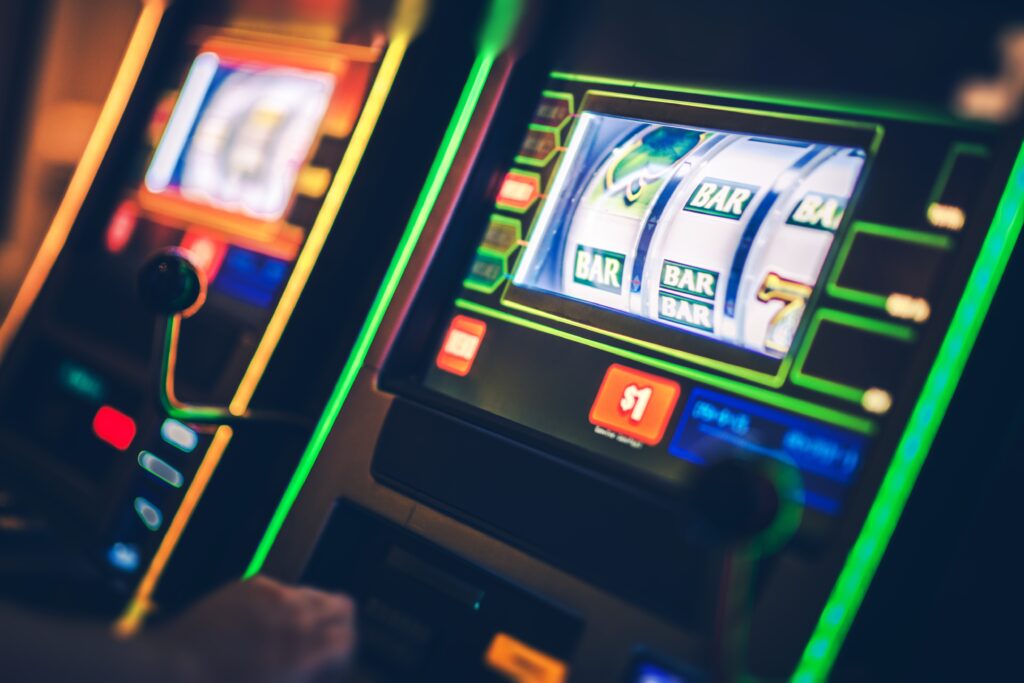
How Slot Machine Cash Storage Works
In a physical casino, most slot machines have a secure cash box in the lower part of the cabinet. If you insert notes or coins, a validator or coin acceptor checks them, then they drop into a locked area that only trained staff can access. Many machines include a coin hopper for payouts and a separate stacker for notes and tickets, and the cabinet is designed to be tamper-resistant.
Most modern slot machines in the UK now use ticket-in, ticket-out technology. Instead of coin payouts, winnings are printed as a paper ticket with a barcode, which you then redeem at a kiosk or service desk. Notes and tickets that go into the machine are stored in the same kind of sealed stacker, so the machine can hold more value without filling up with coins.
As for capacity, it varies by setup. Coin hoppers typically hold hundreds to a few thousand coins, which usually amounts to only a few hundred pounds before a refill or emptying is needed. Note stackers commonly hold around 1,000 notes or more, so the theoretical value can be high, but operators set lower operational thresholds and swap boxes well before maximum capacity. This keeps things secure and ensures machines keep running.
Online slots are different. There is no physical cash. Deposits, bets, and withdrawals are handled electronically through secure systems that comply with UK rules on player funds and data protection.
If you do decide to try your hand at slot games, remember to do so responsibly and within your means; never wager more than you can afford to lose.
Different Types of Slot Machines and Their Cash Limits
Slot machines come in a wide variety of types, from classic three-reel games to modern video and progressive jackpot machines, each offering unique gameplay and payout structures. Understanding the different machine types and their cash limits could potentially help players make informed choices about where, and how much, to bet.
Coin-Based vs Ticket-In Ticket-Out (TITO) Machines
Coin-based slot machines are the classic type still found in some arcades and older venues. You insert coins and winnings come out in coins. Because coins are bulky and heavy, the hopper and cash box reach capacity relatively quickly. Depending on coin size and hopper design, that can mean anything from around £100 to £1,000 before staff need to empty or refill the machine. On busy days, these limits are hit faster and machines need more attention to prevent jams.
Modern casinos have largely moved to Ticket-In Ticket-Out machines. You insert notes or a ticket, and any winnings print as a ticket you cash elsewhere. Notes and tickets are stored in sealed stackers, which handle value more efficiently than coin hoppers. The hardware itself might hold 1,000 notes or more, but operators set practical limits and swap stackers as they approach a threshold. In practice, a TITO slot can often hold several thousand pounds by value, sometimes over £5,000 depending on the venue’s procedures. Meters on the machine help staff keep track of how close it is to a planned drop.
The move to TITO has made payouts quicker and reduced the risks that come with handling large amounts of coins. It also simplifies maintenance, since payouts no longer depend on the hopper staying full.
High-Denomination vs Low-Denomination Slots
Not all slot machines use the same stakes. High-denomination slots accept bigger stakes, often using £1, £2, or £5 credits, and they typically accept higher value notes. This means they can store more value in the same physical space, and they tend to reach an operator’s value-based threshold sooner even if the stacker is not physically full.
Low-denomination slots accept smaller stakes, such as 10p or 20p credits. Where coins are used, they fill faster simply because more physical items are involved. Even with TITO, these machines may see more cycles of smaller transactions, so staff monitor them closely to avoid interruptions.
For online play, none of this applies in the same way because there is no physical storage. Deposits, balances, and withdrawals are tracked in your account under the same overall principles explained earlier.
How Often Are Slot Machines Emptied?
In UK casinos and gaming halls, slot machines are checked and emptied on a routine schedule to keep play smooth and secure. The frequency depends on footfall, the type of machine, and the value threshold set by the operator.
Busy venues might swap cash boxes several times a day at peak times. Quieter sites may do it daily or every couple of days. Daily checks are common, with trained staff working in pairs to remove sealed boxes, replace them with empty ones, and move the contents to secure count rooms. The values are then reconciled against the machine’s meters, and everything is logged. Any discrepancy is investigated.
Emptying is one part of the story. The other is how casinos manage and account for the money that flows through their machines.
How Do Casinos Manage Large Cash Volumes in Slots?
UK venues manage slot machine cash through layered controls. Each cabinet uses sealed stackers or boxes that can only be removed with the right permissions. Staff follow dual-control procedures, swaps are recorded in detail, and cash is moved through secure back-of-house routes. In the count room, dedicated teams reconcile what came out of the machine with its electronic meters, so every pound is accounted for.
Ticket-based systems reduce coin handling and shift most payouts to kiosks or counters, which helps centralise processes and lower the risk of jams or shortages at the machine. Regular audits, surveillance across gaming areas, and exception reporting add further checks. If a figure does not line up, the variance is flagged and reviewed in line with policy.
For online operators, controls focus on payment processing, player account segregation, and automated monitoring. The principle is the same, even if the tools are different, transparency over where value sits and how it moves.
Slot Machine Capacity Myths and Common Misconceptions
A common belief is that a slot pays more when it is full of cash. It does not. The amount inside affects maintenance schedules, not outcomes. Results are determined by certified Random Number Generators (RNGs), which ensure every spin is independent.
Another idea is that a machine will not award a large prize unless staff have just emptied it. Recent cash drops have no influence on payouts. The result you see is produced by the game’s mathematics and certification process, not by how much is in the box.
Some players assume bigger cabinets hold more money, so they must be better for returns. Cabinet size does not affect fairness or prize tables. Capacity only changes how often staff need to perform a drop and how the venue handles storage.
Online slots sometimes attract claims that games are tightened or loosened at certain times or based on player behaviour. UKGC-licensed games are tested and monitored for fairness, and their outcomes do not shift in response to how much has been deposited or withdrawn.
If you are choosing a slot, it might make more sense to look at the features you enjoy and at information such as RTP and volatility, rather than whether a cabinet looks “full”. Setting a clear budget and sticking to it might help keep play manageable.
Play Slot Games Online At O’Reels
If you are interested in exploring slot games in a straightforward way, O’Reels could be a good place to start. We offer a wide range of titles, from classic fruit machines to modern games with features like cascading reels, multipliers, and Megaways mechanics. Each game page explains the rules, bet levels, and bonus rounds, so you can pick something that fits how you like to play.
All games on our site run on certified random number generators and follow UKGC regulation. We show key details such as RTP and volatility to help you understand how a slot is designed to behave over time.
Getting started is simple. Deposits and withdrawals are handled through secure channels, and you will find tools that let you set deposit limits or take time out if needed. Whether a physical cabinet holds hundreds or thousands of pounds is about storage and security, not outcomes. Always keep responsible gambling practises in mind.
**The information provided in this blog is intended for educational purposes and should not be construed as betting advice or a guarantee of success. Always gamble responsibly.
*All values (Bet Levels, Maximum Wins etc.) mentioned in relation to these slot games are subject to change at any time. Game features mentioned may not be available in some jurisdictions.