
Slot Machine Slang Terms: Complete Glossary of Slots Lingo & Jargon
Ever come across slot machine terminology that left you wondering what it means? Whether you’re new to slots or simply unfamiliar with some of the jargon, the wide range of terms used by players, casinos, and game developers can be confusing at first.
From classic expressions like “one-armed bandit” to modern online gaming terms, slots have developed a vocabulary of their own. Understanding these phrases can help you better interpret game features, paytables, and discussions about slot games.
In this guide, we’ll explain some of the most common slot machine slang and technical terms, including concepts such as RTP, wild symbols, multipliers, and many more.
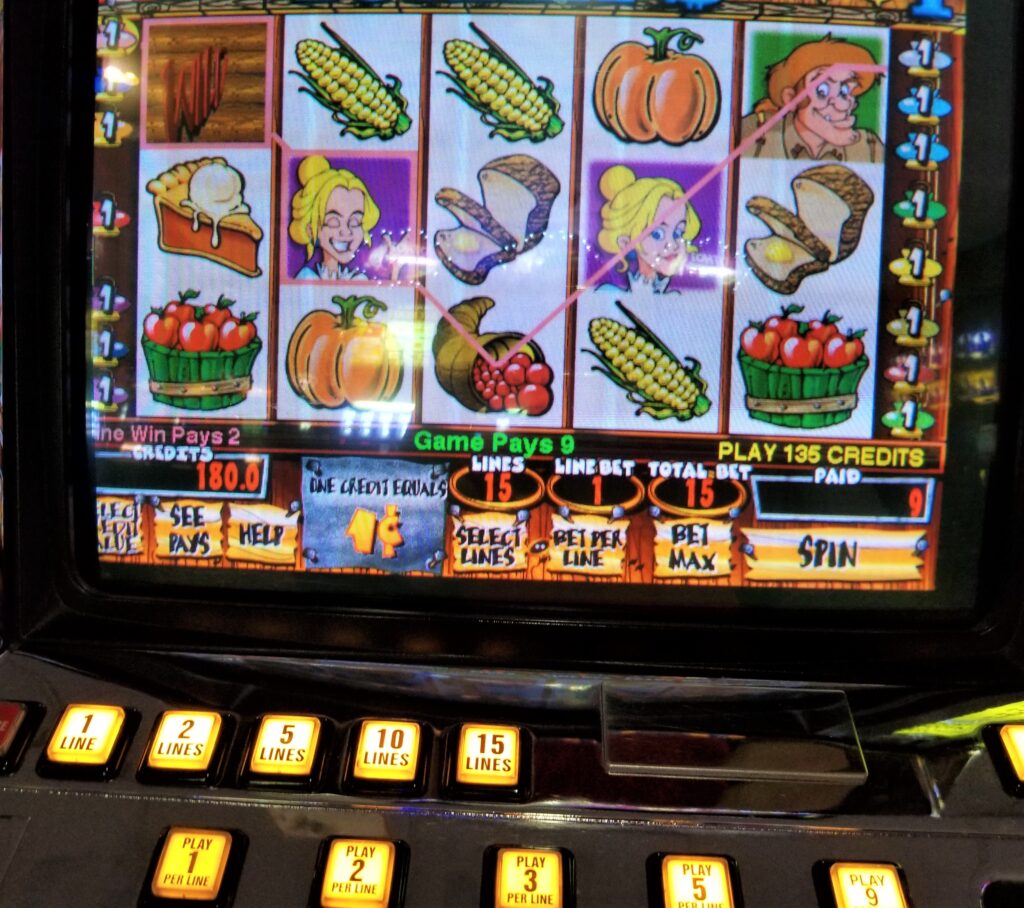
What Is Slot Machine Slang And Why Does It Matter?
Slot machine slang is the shared vocabulary players and casinos use to describe features, outcomes, and mechanics. It developed over decades on the casino floor, from classic fruit machines to modern video slots, and it now lives on in online games and player communities as well.
These terms act as a quick shorthand for what is happening on screen. You’ll find nicknames and acronyms for common features such as scatters, wilds, paylines, and bonus rounds, as well as extras like multipliers, re-spins, and progressive jackpots. Knowing the language saves you from constantly pausing to look things up.
Learning the basics helps you make sense of a game at a glance. When you understand what a scatter does or how paylines behave, you can read the paytable more quickly, recognise which symbols trigger features, and follow on-screen prompts without confusion.
It also makes it easier to navigate settings and information panels, use in-game menus, and interpret notifications. Clear terminology can help you compare titles, spot differences in features, and decide whether a game’s style suits your preferences before you stake.
Importantly, understanding terminology does not change the odds or increase your chances of winning. Slot outcomes are random, and any feature that triggers is determined by chance. Each spin is independent, and past results do not influence future ones.
Labels like RTP (return to player) and volatility describe how a game is designed to behave over time. RTP is a long-term theoretical average and not a guarantee of what you personally will get back. Volatility indicates how wins may be distributed (for example, smaller wins more frequently or larger wins less often) and does not predict results on any given session.
With the basics in place, you may find it easier to choose games, understand rules, and set limits that suit your budget and style. Use safer gambling tools such as deposit limits, time reminders, and time-outs to stay in control, and consider reality checks to keep track of how long you’ve been playing.
Always play for entertainment, only stake what you can afford to lose, and stop if play stops being fun. If you’re worried about your gambling, seek support and consider setting stricter limits. Let’s start with a few everyday terms you’ll see again and again.
Common Slot Machine Terms Every Player Should Know
Spin
A spin is when you press the button to set the reels in motion. Each round you play is one spin. Every spin is independent and determined by a random number generator, so previous outcomes do not influence future results.
The timing of the click alone finalises the outcome, not the length of the animation or any visual effects.
Bet
Your bet is the amount staked on each spin. Most games let you adjust it to fit your budget. Check the minimum and maximum limits, and consider setting personal limits so you only play with money you can afford to lose.
Remember that the total cost per spin can include multiple paylines or “ways”, so confirm whether you are adjusting coin value, bet level, or total stake. Losses can occur quickly, so plan a session budget, set time reminders, and avoid chasing losses.
Payline
A payline is the path on which matching symbols must land for a win. Some slots have a single payline, while others have hundreds, which means more possible winning positions per spin. Many modern games also use “ways to win” or cluster pays instead of fixed lines; always review the game rules to see how wins are formed.
Wins typically pay left to right on adjacent reels unless the rules specify otherwise. In “ways” games (for example, 243 ways), any symbol in adjacent reels can form combinations, while cluster systems pay for groups of touching symbols. Check whether lines are fixed or selectable, as this affects your total stake.
Reels
Reels are the vertical columns that turn when you play. Many slots have three or five reels, though online games often mix this up. The visual spin is for presentation; the outcome is decided at the moment you press spin, regardless of animations or reel speed.
Game layouts can vary, including grids with extra rows, cascading reels, or tumbling symbols. These features alter presentation and how additional wins may be revealed, but they do not change the fact that each spin’s result is random and independent.
Symbols
Symbols are the images on the reels, from classic cherries and sevens to themed icons in video slots. Their values and functions are shown in the paytable, and some symbols may only appear on certain reels or during specific features.
Most games have lower-value and higher-value symbols, and some may have special behaviours during features. Always review the information screen to understand symbol values, reel restrictions, and any caps or limits relating to wins.
Wild
A wild is a special symbol that can substitute for most others to help complete winning lines, a bit like a joker in cards. Some wilds carry multipliers or expand, but they typically cannot replace scatters or other special symbols unless the rules say otherwise.
Variants include sticky, walking, or stacked wilds, each working differently according to the paytable. Substitution rules and any multiplier effects are defined by the game and may apply only in certain modes, so check the terms before you play.
Scatter
Scatters usually trigger features or bonus rounds when enough appear anywhere on the reels. They often unlock bonus spins (sometimes called free spins) or extra prizes without having to land on a payline. Feature availability, trigger counts, and any limits or conditions are set by the game rules.
Some scatters also pay a prize independently of lines, and bonus features may play at the same stake as the triggering spin. Read the rules for details on retriggers, win caps, and how additional features are awarded or concluded.
These building blocks come together on every spin. Outcomes are random, wins are never guaranteed, and it’s important to play responsibly and within your means.
Before playing, review the paytable and rules, note the return to player (RTP) and any feature limitations, and consider setting deposit and time limits. If the fun stops, stop.
How Do Reels, Paylines And Symbols Differ?
Reels, paylines and symbols work together to determine outcomes, but each has a distinct role. You saw the basics above; below is how they interact in practice, with added clarity on how results are produced and paid.
Reels are the vertical columns that spin and then stop to display symbols. Games may use three, five or more reels, and each reel stops independently of the others.
The stop positions are generated by a random number generator (RNG). This means every spin is independent, cannot be predicted, and is not influenced by previous results. Past outcomes do not affect future ones.
Paylines are predefined patterns across the reels that the game checks for matching symbols. Some games use a fixed number of lines, while others let you adjust how many are active before you spin.
Many titles pay from left to right starting on the first reel, though some pay both ways. Other formats replace traditional lines with “ways to win” or cluster systems, where adjacent matching symbols or grouped clusters create wins rather than fixed lines. In dynamic “ways” systems, the number of ways can change if reel heights vary on each spin.
Symbols occupy the spaces on each reel. Regular (often lower and higher value) symbols form most wins, while special symbols can unlock additional features or modify pays.
Wilds usually substitute for other symbols to help complete wins (often excluding scatters or bonus symbols). They may also expand, stick for a number of spins, or apply multipliers, depending on the game rules.
Scatters typically trigger features such as free spins or bonus games and may pay in any position, not just on a payline. Whether scatters pay and how many are needed will be set out in the paytable.
As a simple example, a five‑reel slot might have 20 paylines that zig‑zag across the grid. If three identical symbols land on one of those lines starting from the first reel, the game pays according to the paytable.
Usually only the highest win per line is paid, and wins on different lines are added together. Scatter wins are often added separately. Your total bet, lines selected (where applicable), and any feature modifiers will affect the amounts shown.
Features such as wilds, scatters and bonus rounds can influence how wins are created, but they do not remove randomness. Results remain determined by the RNG, wins are never guaranteed, and no strategy can change the probabilities.
Before playing, always review the in‑game paytable and rules for full details on lines or ways, symbol values, feature behaviour, and any applicable bet settings. Return to Player (RTP) is a long‑term theoretical figure and does not predict individual session results.
If you choose to play, set sensible limits, never wager more than you can afford to lose, and remember that outcomes are random and independent each spin.
Key Payout And Win Terms Explained
Jackpot
A jackpot is the top prize available on a slot. Some are fixed, while progressive jackpots grow as a small portion of each qualifying bet is added to a shared prize pool until it is won.
Progressive jackpots may be local (site-only) or networked across multiple sites. Eligibility, contribution rates, seed values, currency, and win triggers vary by game, so always check the rules and any on-screen information before playing.
Jackpot wins are random and cannot be predicted or influenced. No strategy, system, or pattern of play increases your chance of triggering a jackpot, and jackpots can be won at any stake where eligibility requirements are met.
Payout
This is the amount returned from a winning spin, based on the symbols that land, active paylines or ways, your stake, and any features or multipliers shown in the paytable.
Not every spin results in a win, and losses are possible. Actual returns can be higher or lower than expected over short sessions as outcomes are determined at random, and display or connectivity issues may affect how results are shown, but not the underlying outcome determined by the system.
All payouts are subject to the game’s rules, limits, and any maximum exposure caps stated by the provider. Always review the paytable and information panels to understand how features, side bets, and bonus rounds affect potential returns.
RTP (Return to Player)
Shown as a percentage, RTP indicates what a slot is designed to return to players over a very long period of play. It is a theoretical average across many spins and is not a prediction of what you will receive in a single session.
Some games offer RTP ranges or versions that may differ by operator. Short‑term results will vary significantly, and returns in your play may be above or below the stated RTP; past outcomes do not influence future results.
RTP does not tell you how often you will win or lose on any given spin and should not be used to estimate short-term profit. Check the game info to confirm the RTP applicable to your session.
Volatility
Also called variance, volatility describes the pattern of payouts. Higher volatility means wins may be less frequent but potentially larger, while lower volatility tends to deliver smaller, more regular returns.
Volatility does not change the fairness of a game or guarantee any outcome. It only indicates risk profile over time. Choose a risk level that suits your budget and preferences, and remember that results are random and cannot be controlled.
If you prefer steadier sessions, lower volatility may feel more predictable, but you can still encounter long losing or winning streaks. Never chase losses and consider setting time and spend limits.
Max Win
The maximum amount a game can pay in a single spin or feature sequence. It is often expressed as a multiple of your stake and is usually found in the game’s information section.
Reaching the max‑win cap is rare. Some games end a feature once this cap is hit, or further wins may not accrue beyond the cap. Game rules and limits apply, and the achievable amount depends on your stake and any applicable restrictions.
Payout terms help you understand what is possible, not what is guaranteed. Outcomes are determined at random, and no outcome is ever assured.
Before you play, review the rules and information panels, make sure you understand eligibility and limits, and only stake what you can afford to lose. If play stops being fun, take a break and consider using safer gambling tools such as deposit, loss, and time limits.
What Are Bonus Features And How Do Free Spins Work?
Bonus features are built‑in extras that change how a slot plays. They add variety, alter the tempo of a session, and provide alternative ways for outcomes to be determined. Their purpose is entertainment; they do not change the fundamental odds of the game on any given spin.
Common examples include mini‑games, pick‑and‑click rounds, expanding or sticky wilds, respins, symbol upgrades, and hold‑and‑win bonus rounds. Full details of how each feature works are set out in the game’s rules or paytable, which should be reviewed before you play.
It is important to remember that these features do not guarantee a profit and results remain random on every spin. Features can influence volatility and the way prizes are distributed, but they do not let you predict or control outcomes.
The return to player (RTP) shown by the developer is a theoretical long‑term average and does not reflect what any individual session will return. Short‑term results can vary significantly from the stated RTP, and the house edge remains present.
Free spins are the most common feature. They are extra spins you do not pay for and are typically triggered by landing a set number of scatter symbols anywhere on the reels. Some games allow retriggers, while others award a fixed number of spins with no retrigger option.
During free spins, games might apply multipliers, stacked or sticky wilds, or use special reels and symbol sets. These mechanics can influence the size and frequency of outcomes within that feature, but they do not make wins certain, and every spin is still independent.
Even though you are not paying for each free spin, usual game rules still apply. The bet size used for free spins is normally based on the stake that activated the feature, and any feature‑specific rules, limits, maximum win caps, or end conditions are described in the information menu.
Always check the paytable for how symbols, triggers, retriggers, and any multipliers work in that title. Where demo or practice modes are available, using them first can help you understand the rules before staking real money.
Features can make two games with similar layouts feel completely different by changing timing, pacing, and risk profile. To stay in control, decide your stake and paylines or ways to win before you start, set a budget, avoid chasing losses, and stop if the fun stops.
Bets, Coin Sizes And Denominations Explained
Every slot lets you choose a stake that fits your budget, starting with the bet amount you set for each spin. Most games display the current bet clearly, along with the minimum and maximum allowed, and these limits can vary by game and operator.
The bet is your total stake per spin. Some games also show a coin value or denomination, which is the base unit used to calculate that total. For example, a coin size of 10p across 20 lines at one coin per line equals a £2 total bet. If a game uses two coins per line, the same setup would be £4. These figures are illustrative only and do not reflect any guaranteed outcome.
In other titles, you may also see a “bet level” or “coins per line” control. Increasing the level or coins per line raises the total stake by multiplying the coin value across active lines. Conversely, reducing the level or the number of lines (where adjustable) lowers the total stake. Always check how each control affects the final amount before spinning.
Some games use ways-to-win or cluster systems rather than fixed lines. In those cases, the coin value is usually multiplied by a set number of ways or by a bet multiplier (for example, 20x, 25x, or 50x), producing the total stake. Cluster-pay games may apply a flat bet multiplier instead of lines. Refer to the game’s info or paytable to see exactly how your total bet is worked out for that format.
Certain titles include optional features that change the cost per spin, such as an ante bet that increases the stake to unlock extra symbols or boost feature frequency. If present, the game should display the adjusted total bet clearly. Read the help section to understand what is included and how it affects your stake.
Adjusting coin size and denomination lets you fine-tune the cost of each spin to suit lower or higher stakes. Increasing the bet typically scales potential payout values proportionally, but it does not change the underlying odds, volatility, or the randomness of results. The RTP shown in the help menu, where provided, usually remains the same regardless of stake, although some games offer configurable RTP versions selected by the operator.
Outcomes are determined by random number generation. Past results do not influence future spins, and no stake size or strategy can alter the chance of a particular outcome. Fast-play or quick-spin settings (if available) only change animation speed, not the result.
Before you spin, confirm the total bet shown on screen and avoid accidental increases by reviewing any quick-adjust controls. If the game allows choosing the number of lines, remember your total bet changes when you add or remove lines, coins, or bet levels. Currency display and rounding rules are set by the game and operator, so the final amount debited will match the total bet shown.
Keep play affordable and in control: set deposit, loss, or time limits where available, take regular breaks, and never chase losses. Use safer gambling tools such as reality checks, time-outs, or self-exclusion (for example, GAMSTOP in Great Britain) if needed. Only gamble if you are 18+ and it is legal to do so in your jurisdiction.
What Do Return To Player (RTP) And Volatility Mean?
You met RTP and volatility earlier. Here’s how to use them together when choosing what to play, without expecting them to predict any single outcome.
Think of RTP as a theoretical long‑term average, typically somewhere in the mid‑90s percent for regulated online slots. It is calculated over a very large number of spins across all players, not a target for your session or a promise of what you will receive.
A higher RTP nudges the long‑run payback upwards, but short sessions can still vary widely. You may win more or less than the average in the short term, and it is normal to see outcomes that are far from the headline figure during a brief play period.
Some games offer multiple RTP versions. The figure shown in the game info panel is the one that applies, and licensed operators must display it accurately. If a game provides alternative RTP settings, the active version should be clear before you start.
RTP usually does not change with stake size, but always check the rules for the specific title you are playing. If you switch games or revisit a title with different settings at a later date, do not assume the RTP is unchanged—verify it again.
Volatility describes how results are distributed on the path to that average. High volatility often brings longer quiet spells punctuated by occasional larger hits, while low volatility smooths things out with more frequent, smaller returns.
Volatility does not change the randomness of outcomes or guarantee bigger prizes; it simply influences the pace and variance of play. A high‑volatility game can still produce long losing spells, and a low‑volatility game can still produce losses—both remain unpredictable from spin to spin.
If you like steadier feedback from the game, lower volatility may suit. If you are comfortable with longer gaps in exchange for larger potential swings, higher volatility might appeal.
Neither setting is “better”; they offer different rhythms, so choose the one that matches your budget, available time, and patience. Treat these settings as preferences about experience, not as strategies to improve your chances.
Behind these numbers is certified random number generator (RNG) technology that keeps outcomes unpredictable, with games tested by independent laboratories to ensure they run properly. Your choices cannot influence the randomness, and past results do not affect future spins.
No system, pattern, or timing approach can alter the underlying odds. Each spin is independent, and the game does not “owe” a result after a win or a loss.
Always play within your means, set sensible spend and time limits, and remember that RTP and volatility are guides to game behaviour, not guarantees of return. Gambling should be entertainment, not a way to make money.
If you feel your play is becoming hard to control, use safer gambling tools such as deposit limits, time‑outs, and self‑exclusion, and consider seeking support. Stop when it stops being fun.
Technical And Back-Of-House Terms For Slots
There is a lot happening out of sight to keep slots fair, secure and consistent. These systems operate to strict standards so that outcomes are random and games perform as intended across devices.
Independent testing laboratories and regulators review these controls before launch and at intervals thereafter. This oversight helps ensure games run as described, with clear information for players and effective safeguards in place.
RNG (Random Number Generator)
This is the engine that selects outcomes so each spin is independent and unpredictable. Neither players nor operators can influence the result, and the timing of your spin does not create a pattern or “lucky window”.
Regulated RNGs are tested before release and subject to ongoing monitoring. Results are not due to timing, patterns or past spins, and no strategy, tool or system can change the chance of a particular outcome.
Each spin is a separate event. Past wins or losses do not increase or decrease the likelihood of future results, and tools that claim to “predict” outcomes are not reliable or permitted.
Payout Percentage
Also called theoretical return, this is the designed long-term ratio of stakes returned as prizes. It is checked and certified as part of game testing, and displayed as RTP where available.
Payout percentage (often shown as RTP) is calculated over a very large number of spins and is not a guarantee for any single session. Actual results can vary widely in the short term, and players should not expect the game to “balance out” during their play.
RTP is a statistical measure, not a promise of what you will receive. Volatility and variance mean sessions can differ significantly, and you can lose more quickly than expected. Always set limits and stop if play is no longer enjoyable.
Game Provider
The company that designs and supplies the slot. Different providers have distinct styles, maths models and feature sets, which can affect how often features trigger and the size of potential prizes.
Licensed providers follow technical standards, including fairness, security and transparency requirements. They may also publish game rules and help information to explain features, paytables and any limits or conditions so that you can make an informed choice before playing.
Server-Side
Online slots run on secure servers that handle game logic, outcomes and performance data. This supports regulatory checks and player protection, and helps ensure consistent behaviour across devices and sessions.
Server-side systems record gameplay events for auditing, maintain game integrity, and manage updates. Encryption and access controls help protect data, while monitoring tools can support safer gambling measures such as time-outs, limits and reality checks.
With the foundations covered, let’s look at the biggest prizes and how they are paid. Remember that outcomes are based on chance, no outcome is ever guaranteed, and you should only play with money you can afford to lose. If you feel your gambling is getting out of control, take a break and consider using safer gambling tools.
How Are Jackpots Categorised And Paid Out?
Jackpots come in several forms, and each type works a little differently. Always check the game rules and paytable, as eligibility, stake requirements, and how prizes are displayed can vary by provider. Outcomes are random and a jackpot is never guaranteed.
Jackpot values can change without notice, and the on-screen amount may update slightly after a short delay. Where currency conversion applies, the amount credited to you may differ from the headline display, in line with the operator’s and provider’s terms.
Fixed Jackpots
A fixed jackpot is a set top prize that stays the same regardless of how many people play. You know the headline amount before you spin.
Some fixed prizes are tied to the stake or bet level, so qualifying may require a minimum bet or specific features to be active. The amount shown is usually in the game’s base currency, and the win is triggered by meeting the stated conditions (for example, a particular symbol combination).
Qualifying conditions can include maximum lines, feature activation, or playing at a stated denomination. If these conditions are not met, you may be ineligible for the advertised top prize even if the relevant symbols land.
Progressive Jackpots
Progressive prizes increase with each bet placed across the linked game or network. The total keeps growing until a player wins, sometimes reaching very large sums.
A portion of each qualifying wager contributes to the pot after game fees are applied. Most progressives have a starting “seed” value and may reseed to a stated minimum after a win. Some are time- or value-capped (for example, “must drop” by a set time or amount). Contribution rates, eligibility, and odds of triggering are set by the provider and remain random.
Triggering a progressive can occur via a bonus feature, a random event, or specific symbol outcomes, depending on the title. The chance of hitting a progressive is typically lower than standard feature wins and is not influenced by how long you have played.
Local vs. Networked Jackpots
Local jackpots are linked to a single casino or site. Networked, or pooled, jackpots connect many operators, which can grow the prize faster.
Local pots usually build more slowly but are only available to players on that platform. Networked pots may span regions and currencies, and displayed values can update with a short delay. Availability can differ by jurisdiction, and game-specific terms will apply.
Where multiple currencies are supported, conversion rates, display rounding, and update frequency are determined by the provider. If a jackpot is unavailable in your location, it should not be offered in the game; if in doubt, check the game info panel or contact support before playing.
Payouts
Most jackpots are paid as a single lump sum into your account online, or in cash at a venue. Very large amounts, especially on progressives, may be paid in instalments depending on the rules for that game and the operator’s policy. Identity and security checks apply to confirm the win and keep payouts secure.
Before any payment is released, operators must complete KYC and anti–money laundering checks, which can require additional documents. Payment method limits and withdrawal checks may apply; however, jackpot-specific terms from the game provider can govern timing and whether an annuity or lump sum is offered. If you play outside the UK, local laws and taxes may differ—seek independent advice if needed.
Payout timeframes can vary and may be extended while verification is completed. In the UK, gambling winnings are generally not taxed, but this may not apply elsewhere. If a game malfunctions, most providers void affected plays and associated pays in line with their terms.
Now you know what the terms mean and how the pieces fit, here’s how to keep this glossary useful while you play. Set limits, play responsibly, and remember that jackpots are rare and never assured.
If you feel your gambling is becoming problematic, stop playing and seek support. Only gamble with money you can afford to lose, and never chase losses; the result of any spin is independent of previous outcomes.
How To Use This Glossary While Playing Slots
Treat this glossary as a quick reference whenever a term on a screen or paytable does not make sense straight away. If you come across an unfamiliar phrase in a game, dip back here to check the meaning in seconds, so you are not left guessing what a feature or symbol does.
It can help to keep the glossary open on your phone or laptop while you play, or to bookmark key entries you use often. Skim alphabetically, or search for specific terms such as wilds, scatters, or multipliers to get concise definitions at the moment you need them.
Understanding the language makes it easier to read features, rules and paytables with confidence. This can support clearer decisions about settings such as coin value, paylines and autoplay (where available), and about choosing games that fit your preferences and comfort level.
Knowing the terminology does not change the odds, and outcomes are random on every spin. Use the definitions to understand concepts like paylines, volatility and bonus rounds, and to interpret information such as RTP as a long‑term, theoretical percentage based on extensive simulations, not a promise for any individual session.
No strategy or glossary entry can predict results or guarantee returns. If a game offers a demo or practice mode, you can use it to learn how features work without risking real funds, then decide if the gameplay suits you before staking money.
Keep play manageable by setting sensible budgets and time limits, taking regular breaks, and sticking to games you understand. Consider using a separate entertainment budget, and only gamble what you can afford to lose.
Avoid chasing losses or trying to win back money quickly, and remember that gambling is a form of entertainment, not a way to make money. If it stops being fun or starts to feel like pressure, step away and reassess.
Most licensed operators provide safer gambling tools such as deposit limits, reality checks, loss limits, time‑outs and self‑exclusion. Enable these tools before you start playing, and review them regularly so they continue to match your circumstances.
If you need additional support, independent help is available from trusted organisations such as GamCare and GambleAware. Gambling is restricted to those aged 18+ in Great Britain; always play with licensed operators and seek help promptly if you are concerned about your gambling.
**The information provided in this blog is intended for educational purposes and should not be construed as betting advice or a guarantee of success. Always gamble responsibly.