
Suited Trips in Blackjack Explained: 21+3 Side Bet Guide
Blackjack is already one of the most entertaining card games around, but have you ever wondered what those extra side bets are all about? The 21+3 side bet has become especially popular, and that’s where Suited Trips comes into play.
If you’ve seen players’ eyes light up at the mention of Suited Trips, you might be curious what all the fuss is about. This rare but rewarding combination can deliver some of the biggest payouts at the table.
Interested in finding out what Suited Trips really means, how 21+3 bets work, and the odds of winning? Read on to discover everything you need to know about one of blackjack’s most talked-about side bets.
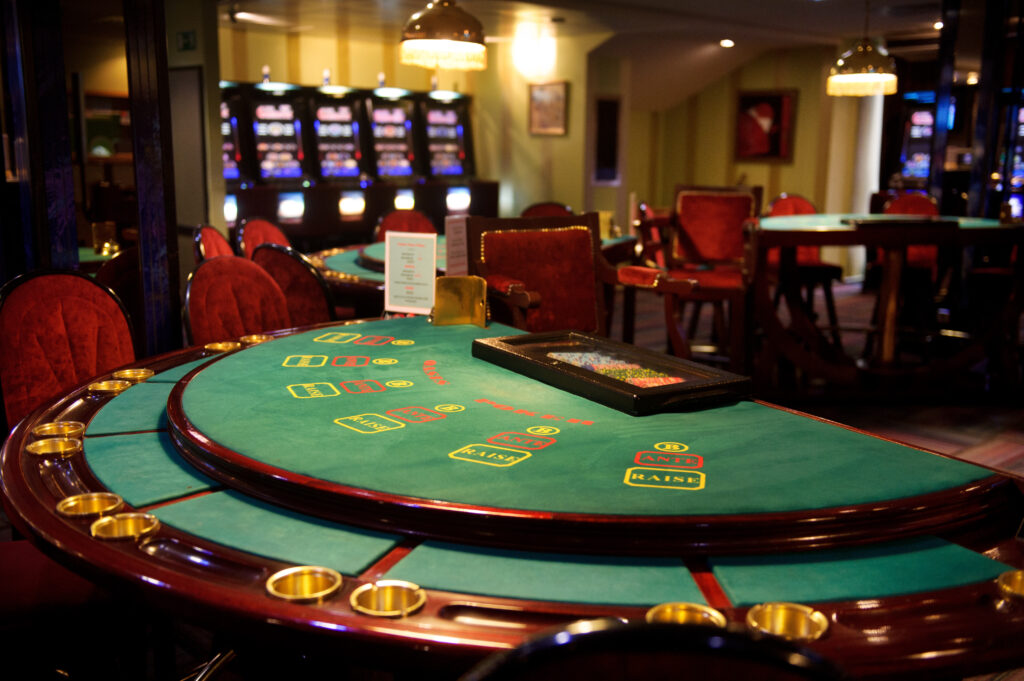
What Is Suited Trips In Blackjack?
Suited Trips is a specific three‑card outcome available with the optional 21+3 side bet in blackjack. It uses your first two cards together with the dealer’s upcard, and all three must be exactly the same rank and the same suit.
Only the initial deal is considered for this wager. Later actions such as hits, doubles, or splits have no bearing on the side bet, and you must place the 21+3 stake before any cards are dealt. Minimum and maximum limits for the side bet are usually separate from the main wager, and the feature may not be offered at every table.
For example, in a multi‑deck game, if your two cards are both the Queen of Hearts and the dealer’s upcard is also the Queen of Hearts, that is Suited Trips. The same applies to three Sevens of Spades or three Jacks of Clubs.
In a single‑deck game this exact result cannot occur, because there is only one card of each rank and suit in the pack. Suited Trips therefore relies on multiple decks (or an equivalent virtual shoe) being in use.
Suited Trips is distinct from other 21+3 results such as a straight, a flush, or an unsuited three of a kind. Those hands may also pay on many 21+3 tables, but Suited Trips is typically the rarest outcome.
Because it is so uncommon, Suited Trips is often among the highest‑paying entries on a 21+3 paytable. However, paytables, availability, and deck configurations can vary by venue and game provider, so always read the displayed rules and payouts before you commit to the bet.
The likelihood and expected return for Suited Trips depend on factors such as the number of decks and the specific paytable. Side bets generally carry a higher house edge and greater volatility than the main blackjack game, and outcomes are determined by chance rather than skill.
Treat this wager as optional entertainment; it will not improve your long‑term blackjack results, and it should not influence optimal decisions on your main hand. Never chase losses, and only stake amounts you are comfortable with.
Settlement is straightforward: after the initial deal, the dealer evaluates the 21+3 bet using those first three cards, pays or collects it, and then play continues with the main hand as normal. A win or loss on 21+3 does not affect whether your main hand later wins or loses.
Please play responsibly. Set time and spend limits that reflect your circumstances, be mindful that returns are never guaranteed, and stop if the activity stops being fun. Gambling is for adults aged 18+ in Great Britain. If you feel you are experiencing harm, consider using safer gambling tools or seeking support.
How Does The 21+3 Side Bet Work?
The 21+3 side bet is an optional stake you may place alongside your main blackjack bet before any cards are dealt. It is a separate wager that does not influence how your blackjack hand is dealt or settled. Availability, minimums, and maximums can vary by table, game variant, and operator, and some tables may not offer the bet at all, so always check the table rules and the displayed paytable first before staking. Only participate if you are legally permitted to do so in your jurisdiction.
This bet evaluates the first two cards you receive together with the dealer’s upcard as a three-card, poker-style hand. It is entirely independent of any decisions you later make on your blackjack hand, such as hitting, standing, doubling, or splitting, and it is determined purely by the random combination of those three cards. Your subsequent choices do not improve or worsen the side-bet result, and there is no skill element in determining the outcome.
If the three cards form a qualifying combination—commonly a straight, flush, three of a kind, straight flush, or Suited Trips—the 21+3 bet pays according to the posted paytable. Hand rankings follow standard three-card poker logic used for this side bet; you are not comparing against the dealer, only checking whether your three-card set matches a listed outcome. There is usually no push on 21+3; the bet either qualifies and pays, or it does not and loses, as defined by the specific rules in use.
Payouts are made in line with the paytable specific to that table, which can differ between casinos and game versions. Rarer outcomes generally pay more, with Suited Trips typically at the top. Returns to player (RTP) for 21+3 vary with the paytable, so the same hand can pay differently at different tables. If no qualifying hand appears, the 21+3 stake loses. Any win or loss on the side bet is separate from, and in addition to, the result of your main blackjack hand.
The result of the side bet is usually settled as soon as the three relevant cards are visible (your first two cards and the dealer’s upcard). Presentation may vary by game, but the outcome itself does not change. Always refer to the game information for exact rules, including how straights are counted, as some tables specify whether an Ace is high, low, or both, and whether mixed suits affect ranking. The number of decks used may influence the frequency of outcomes but does not alter which combinations qualify.
As with all side bets, the house edge is typically higher than on the main blackjack game. Treat 21+3 as an optional form of entertainment, stake only what you can afford to lose, and consider the published RTP and table limits before playing. Do not chase losses, and remember you can play blackjack without placing the side bet at any time. Gambling involves risk and is for adults only; if you choose to play, set limits and play responsibly.
Now that the framework is clear, let’s pin down exactly what qualifies as Suited Trips.
What Hands Qualify As Suited Trips?
To qualify as Suited Trips, the three relevant cards must be exactly the same in both rank and suit. In 21+3, those three cards are your first two cards and the dealer’s upcard, evaluated from the initial deal only. No other player cards, replacement cards, or subsequent hits are counted for this side bet.
This outcome is only achievable when multiple decks are in use; with a single deck it is not possible to produce three identical cards. Multi‑deck shoes (commonly six or eight decks) allow the same card to appear more than once, which is why Suited Trips can occur in those games.
For example, three Kings of Diamonds or three Eights of Clubs would count as Suited Trips. The order of appearance does not matter; what matters is a perfect match in rank and suit across all three cards. Jokers are not used in blackjack, so they never form part of a qualifying hand.
Hands that are merely the same rank but different suits (such as three kings of mixed suits), or the same suit but different ranks, do not qualify. There are no substitutions, and only the specified three cards are considered for the 21+3 evaluation. If any of those three cards is not an exact match in both rank and suit, the hand does not qualify.
Because it sits at the top of the 21+3 hierarchy, a verified Suited Trips result generally returns one of the highest payouts available for that side bet. However, paytables, eligibility, procedures, and the timing of settlement can vary by table and jurisdiction, and are always governed by the posted rules. A winning result is only payable if a valid side bet was placed before the initial deal and the outcome is confirmed by the dealer.
Please note that 21+3 is an optional side bet, settled independently of the main blackjack hand and typically based on the initial three cards only. Availability, house edge, and the probability of Suited Trips can differ by venue, number of decks, and paytable, and the chance of hitting this outcome is low.
Gambling involves risk and outcomes are determined by chance. No strategy can guarantee a win. Only stake what you can afford to lose, set limits, and never chase losses. Participation is subject to the official game rules at the table and local regulations, and you should only play if you are legally permitted to do so.
How Are Payouts Calculated For Suited Trips?
Payouts for Suited Trips are tied directly to the amount you stake on the 21+3 side bet and are settled at fixed odds. The result is determined solely from the qualifying 21+3 cards and is independent of how your main blackjack hand plays out.
Settlement takes place when the relevant cards are revealed. Subsequent actions on the main hand (such as hitting, standing, doubling, or splitting) do not affect the Suited Trips outcome. If Suited Trips lands, the win is paid at the stated rate and, where odds are quoted “to 1”, your original side‑bet stake is then returned.
A common paytable awards 100 to 1 for Suited Trips. For example, a £1 side bet at 100 to 1 pays £100 in winnings, and your £1 stake is then returned, giving a total return of £101.
Always check how your table quotes prices. “To 1” means the profit is paid in addition to the returned stake. “For 1” means the total paid includes the stake. So, a £1 bet at 101 for 1 returns £101 in total, with no extra stake returned on top, which is equivalent to 100 to 1 “to 1”.
Paytables, table limits, and any maximum payout caps can vary by game, provider, and venue. Rounding rules and currency units may also apply. Review the paytable and house rules where you play before placing a bet so you understand exactly how returns are calculated.
Outcomes are random and no return is guaranteed. The quoted odds are payout rates, not the probability of hitting Suited Trips. Side bets typically have a higher house edge than the main game and can increase volatility, meaning wins may be less frequent but larger when they occur.
Only bet what you can afford to lose, set limits that suit your budget, and consider whether the added risk aligns with your playing style. Take breaks and seek support if gambling stops being enjoyable.
What Are The Odds And House Edge For Suited Trips?
Suited Trips refers to three cards of the same rank and suit formed from your first two cards and the dealer’s up-card (for example, Q♥ Q♥ with a dealer Q♥ showing). It is an exceptionally rare outcome because it requires both a precise rank and the exact same suit across all three cards.
In most six- or eight-deck games, the likelihood is roughly in the region of 1 in 2,000 hands, although the precise figure varies with the number of decks in use and the specific table procedures. Fewer or more decks, shuffling method, and whether the dealer peeks can all influence the underlying probability to a small degree.
That scarcity is why the listed payout for Suited Trips is typically higher than for more common 21+3 results. However, a higher payout does not equate to frequent wins or a guaranteed return. Actual odds, returns, and the volatility you experience will always depend on the paytable in use at your table or game version.
Paytables differ by venue and variant. Some offer larger rewards for top outcomes but reduce returns on lower-tier hands, while others smooth the payouts across the board. Always review the paytable displayed on the felt, screen, or help menu so you understand exactly what is being offered before placing a wager.
Because the probability of the top outcomes is low, the house edge on the 21+3 side bet is usually higher than on the main blackjack game. On common paytables it often sits around 3% to 5% and can be higher on certain variations, especially those with reduced payouts for mid-tier hands.
This generally translates to a lower long‑term return to player for the side bet compared with the main game, along with greater volatility. Short‑term results can fluctuate significantly due to the rarity of the highest‑paying outcomes, and extended losing streaks are possible even with correct play.
Side bets are best viewed as an optional extra rather than a primary route to returns. Consider staking only a small portion of your overall wager, and make sure the extra risk and swings fit within your budget and appetite for variance.
Before you play, check the paytable and house rules, and remember that outcomes are random. No system can guarantee a profit, and strategies that may aid the main game do not reliably improve the 21+3 side bet.
Set clear limits in advance, use safer gambling tools such as deposit limits, time reminders, or time‑outs, and never chase losses. Take breaks as needed. Gambling should be recreational; if it stops being enjoyable or you are unsure about your spending, step away and review your budget, and consider seeking support from recognised organisations if you feel you may need help.
How To Read A 21+3 Payout Table?
A 21+3 payout table lists the qualifying hands and the rate paid for each. You will commonly see entries such as Straight, Flush, Three of a Kind, Straight Flush, and Suited Trips, each with a figure like 5 to 1 or 100 to 1 beside it. These figures are the advertised payout ratios for the side bet and can vary by game and provider.
In most formats, the 21+3 hand is formed from your first two cards and the dealer’s upcard. The paytable tells you which three‑card poker combinations qualify and how much each one pays. Some versions merge tiers (for example, a single “any 21+3” prize) while others list separate amounts for each hand, so read each line carefully before you stake.
The stated ratio shows the amount paid per £1 placed on the 21+3 side bet. For example, if a Straight pays 10 to 1, a £1 side bet would result in £10 winnings, and your £1 stake is usually returned, giving a total return of £11. If a Flush pays 5 to 1, a £2 side bet would return £10 in winnings, plus the £2 stake if the table pays “to 1”.
Always check whether the table displays “to 1” (winnings only) or “for 1” (includes the stake) so you understand the exact return. Also look for any rounding rules, maximum payout caps, or currency limitations, as these can affect the final amount you receive even when the odds are shown as a ratio.
Paytables are displayed at the table or on-screen online, and they may also include information such as minimum and maximum side‑bet limits, whether all qualifying combinations pay the same across variants, and if any special rules apply (for example, whether suited trips require exact matching suits). As rules and payouts can differ between games, take a moment to review the table before placing a bet.
Side bets are optional and do not influence the outcome of the main hand. Results are determined at random, and past outcomes do not predict future results. There is no strategy that guarantees a return from 21+3, and no particular hand is assured within any set number of rounds.
Only stake what you can afford to lose, consider the return‑to‑player (RTP) where published, and play within your limits. If you are unsure how a payout is calculated, ask the dealer or consult the on‑screen help before you play. If gambling stops being fun, take a break and use the safer‑gambling tools available on the site.
Hand Examples And Payout Calculations
Let’s look at how Suited Trips can appear in a multi-deck game and what the payout could be when it does. This outcome requires your two cards and the dealer’s upcard to be the same rank and suit, which is only possible in a shoe that uses multiple decks.
All outcomes are determined by chance, and the scenarios below are for illustration only. Actual results and payouts depend on the posted paytable and house rules at the table you are playing.
Example 1:
Your cards are the King of Clubs and the King of Clubs, and the dealer’s upcard is also the King of Clubs. Assuming a posted paytable of 100 to 1 and a £2 side bet, the 21+3 win would pay £200 in winnings, plus your £2 side-bet stake returned, for a total return of £202.
Note that some games pay “for 1” rather than “to 1”. If the paytable is “for 1”, your total return would typically be £200 on a £2 stake (the stake is included in the payout), whereas “to 1” generally returns winnings plus the original stake. Always confirm which applies before placing a bet.
Example 2:
You receive the Eight of Hearts and the Eight of Hearts, and the dealer’s upcard is the Eight of Hearts as well. On a £5 side bet at 100 to 1, that would be £500 in winnings, plus your £5 side-bet stake returned, for a total return of £505.
Exact figures always depend on the paytable and house rules, including whether the stake is returned on a win and how many decks are in use. Side bets are optional, higher-volatility wagers and may have a different RTP from the main game, which can increase the risk of losing your stake more quickly.
These examples do not guarantee frequency of occurrence or future returns. The availability of Suited Trips, the number of decks, and the dealer’s upcard policy may vary by table and provider, and this can affect the probability of qualifying hands.
Before you play, check the paytable and table limits so you know what each result pays, and make sure you understand the rules for “to 1” versus “for 1” payouts. Only bet what you can afford to lose, set a budget in advance, and avoid chasing losses.
Gambling should be fun and carried out responsibly. You must be 18+ to play in Great Britain. If you feel your play is becoming problematic, consider taking a break and seeking support.
How Does Suited Trips Compare With Other Blackjack Side Bets?
Suited Trips stands out because it requires an exact three‑card match and often pays the headline award on a typical 21+3 paytable. This result is intentionally rare, so wins are infrequent and outcomes can be volatile. Availability, stake limits, and maximum payouts can differ by casino and game supplier, so always review the table signage and paytable in use before deciding whether to place the bet.
By design, Suited Trips evaluates three cards: your first two cards and the dealer’s upcard. The side bet is settled on that three‑card combination regardless of how the main blackjack hand plays out. This contrasts with many other side bets that consider only your initial two cards.
Perfect Pairs, for example, pays on matching ranks or suits across your first two cards (with common variations such as Mixed, Coloured, or Perfect Pairs). Insurance is a separate proposition on whether the dealer holds blackjack when showing an Ace; it has its own rules and payout and does not interact with 21+3 results.
Other options such as Lucky Ladies, Royal Match, or standard 21+3 outcomes (e.g., Flush, Straight, Three of a Kind, Straight Flush) can return sizeable prizes for specific patterns, yet they typically do not reach the advertised top rate associated with Suited Trips on many 21+3 schedules. Exact payouts and the return to player can vary with the number of decks, which combinations are paid, and any caps or alternative pay scales applied by the venue.
As with most side bets, Suited Trips is entirely optional and generally carries a higher house edge than the main game. Treat it as a form of entertainment rather than a way to achieve consistent profit. Results are random, and no staking system can change the underlying odds.
Before you play, confirm the minimum and maximum for side bets, whether pushes on the main hand have any effect on side‑bet settlement, and if table rules (such as the number of decks in the shoe) differ from what you expect. Be aware that some promotions or wagering requirements may exclude side bets; if in doubt, ask the dealer or check the game guide.
Set spend and time limits in advance, use small stakes you can afford to lose, and avoid chasing losses. Take regular breaks and only gamble if you are 18+ and it is legal to do so. If play stops being enjoyable, stop and consider safer gambling tools or support.
Game Variations That Affect Suited Trips Payouts
Not all blackjack games offer the same Suited Trips payouts. The figures can differ by variant, by jurisdiction, and between live-dealer streams and RNG-led tables. What you see on the layout or in the help file is what applies to that specific game at that time.
Local regulations and house rules may cap or structure side-bet returns differently. In some regions, paytables are standardised, while elsewhere operators can select from approved schedules. As a result, two otherwise similar games can present different returns on identical outcomes.
Paytables can be updated by operators and suppliers, and the displayed payouts are the ones that apply. Treat them as informational rather than a promise of return, as actual results vary from session to session.
Where available, review the game’s help or information panel for current rules, payout schedules, and RTP details. RTP is a long‑term, theoretical measure and is not a prediction of your experience over short play periods.
Deck count matters. Shoes with more decks can marginally change the underlying probabilities for 21+3 outcomes, and some operators adjust paytables in response. Procedures such as dealing to a cut card or using continuous shufflers affect card availability in broad terms, but each hand is dealt independently and at random.
You might see Suited Trips listed at 100 to 1 on one table and 90 to 1 or another figure elsewhere. A higher headline payout typically comes with lower hit frequency and greater volatility, meaning longer dry spells may occur between wins.
Check the full paytable rather than focusing on a single line so you understand the overall balance of risk and reward. A game offering a higher top prize may offset this with reduced returns on other 21+3 combinations.
Rules can vary across casinos and software providers. Some versions include additional side bet options with their own paytables, and eligibility for placing them can depend on your main bet size or seat availability in live games.
Minimum and maximum stakes, how pushes or blackjacks affect side‑bet settlement, and whether multiple hands or re‑bets are allowed can all differ by game. If anything is unclear, check the rules page or ask support before you stake.
It is sensible to scan the rules and 21+3 table for the specific game you have chosen so you know exactly what is on offer. Confirm the RTP/house edge information where provided, and consider whether the side bet suits your budget and risk tolerance.
Side bets are always optional. They generally carry a higher house edge than the main game, and you should only stake amounts you can afford to lose. Set limits, take breaks, and stop if it is no longer enjoyable.
Before we wrap up, it helps to clear away a few persistent myths. Prior results do not influence future outcomes, and no strategy or staking system can guarantee a Suited Trips hit. Differences in payouts reflect paytable design and risk, not a “looser” or “tighter” game.
Treat side bets as entertainment, use the tools provided to manage your play, and seek help if you feel your gambling is no longer under control. Play responsibly.
Common Misconceptions About Suited Trips
Many players overestimate how often Suited Trips appears. It is a rare outcome, and each deal is independent, so expecting to see it regularly can lead to unrealistic assumptions and disappointment.
In practice, long streaks without a hit are normal and do not mean one is “due”. Variance can be high, and the frequency you experience in a short session may differ greatly from long‑term probabilities.
Another misconception is that certain techniques can improve the chances of Suited Trips. Because the result depends on the random shuffle across multiple decks and the three‑card combination revealed, no decision‑making, staking plan, or betting pattern can increase its probability. Past results do not influence future outcomes.
Systems that claim to “recover losses” or “force a hit” simply change your exposure, not the underlying odds. If you choose to play the side bet, do so with a fixed, affordable stake rather than escalating wagers.
Some believe that any three cards of the same rank qualify, even if the suits differ. In reality, for Suited Trips all three must match in both rank and suit to count (possible only because multiple decks are used). Regular Trips, Straight Flush, and other 21+3 outcomes are scored separately, so always check the table’s specific rules.
House rules can also define how duplicate cards are handled and which combinations are eligible, so review the game information before you start. If anything is unclear, ask the operator for clarification.
It is also easy to assume every table pays the same. Paytables are set per game, so the rate for Suited Trips can differ between tables, providers, and deck configurations. Review the paytable and any published RTP before placing the side bet.
Remember that RTP is a long‑term theoretical figure, not a guarantee for your session. Actual returns can vary widely in the short term, especially with rarer outcomes.
Side bets like 21+3 typically have higher volatility and can carry a higher house edge than the main game. This means returns can be infrequent and uneven, and you should only stake amounts you are comfortable losing.
Consider setting a separate, small budget for side bets and be prepared to stop if you reach your limit without a return. Never bet more to chase a specific outcome.
Understanding how Suited Trips is defined, how it pays, and how rarely it appears makes it easier to decide whether the 21+3 side bet suits your play. Treat it as optional entertainment rather than a way to make consistent profit.
If your aim is consistent value, focus on learning the main game rules and only add side bets if you enjoy the extra excitement and accept the higher risk.
Gamble responsibly: set limits, do not chase losses, and only play if you are 18+ and it is legal to do so in your jurisdiction. If gambling stops being fun, take a break or seek support.
Use safer gambling tools where available, such as deposit limits, time‑outs, and self‑exclusion. Only gamble what you can afford to lose, and never view gambling as a way to solve financial problems.
**The information provided in this blog is intended for educational purposes and should not be construed as betting advice or a guarantee of success. Always gamble responsibly.