
Texas Hold’em vs Regular Poker: Key Differences Explained
Poker comes in many formats, with Texas Hold’em among the best-known. Understanding how Hold’em differs from other poker variants can make the rules and structure easier to follow.
The phrase ‘regular poker’ is not a formal game name. It may refer to formats such as Five Card Draw, Seven Card Stud or, depending on the context, Omaha.
This guide compares the main differences, including cards, betting structures, hand rankings and player numbers. Poker involves risk, and no strategy or decision guarantees a particular outcome.
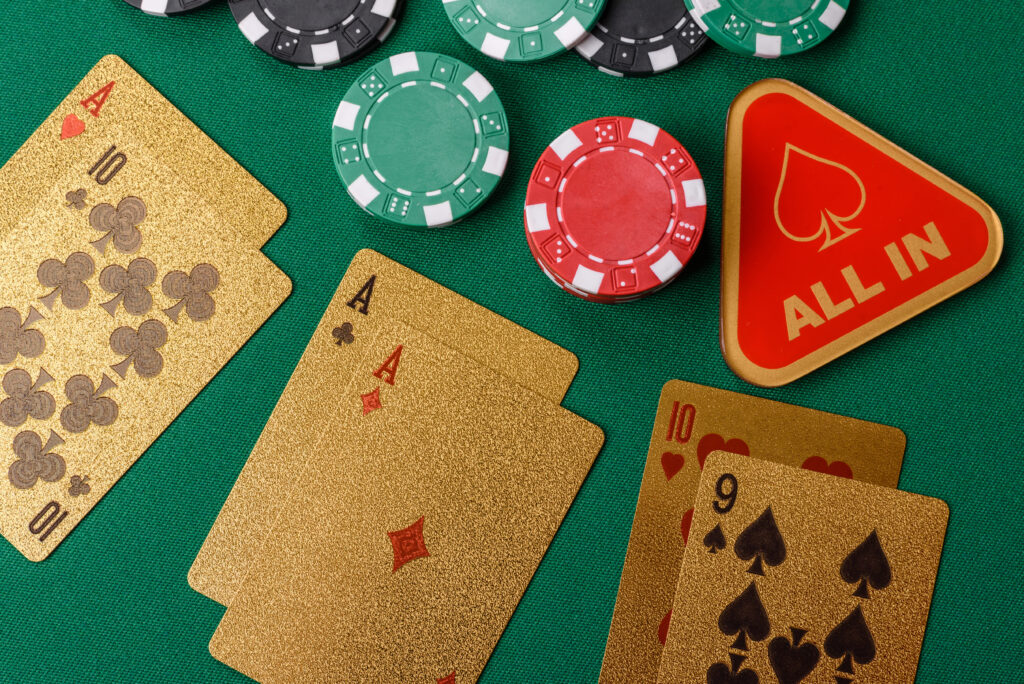
What Is The Difference Between Texas Hold’em And Regular Poker?
Texas Hold’em is a community-card game. Each player receives two private hole cards and shares five community cards, revealed as the flop, turn and river. The best five-card hand is made from the available cards.
Other poker variants use different structures. Five Card Draw gives each player five private cards and a draw opportunity, while Seven Card Stud combines private and face-up cards without community cards.
Hold’em typically has four betting rounds and uses blinds. Draw and stud games may instead use antes, a bring-in or different betting limits.
These differences affect how information is presented and how a hand progresses, but none guarantees a better result. Poker outcomes involve chance as well as player decisions.
If playing for money in Great Britain, use a gambling business licensed by the Gambling Commission. Most commercial gambling operators serving Great Britain require an appropriate operating licence.
Poker is for adults aged 18 and over in Great Britain. Set limits before playing, only gamble what you can afford to lose, and do not chase losses.
Community Cards Versus Individual Hands
The biggest difference is how cards are dealt.
In Texas Hold’em, five community cards are placed face up: three on the flop, followed by one on the turn and one on the river. Each player combines these with their two hole cards to make the best available five-card hand.
Because the board is shared, all players can see the same community cards. However, opponents’ hole cards remain unknown, so there is always incomplete information and an element of chance.
Five Card Draw works differently. Players receive five private cards and may exchange cards during the draw phase. There is no shared board.
Seven Card Stud also has no community cards. Players receive a combination of face-down and face-up cards over several betting rounds, giving opponents some visible information while keeping other cards hidden.
These structures create different game experiences, but none makes a particular outcome certain. Always check the specific rules before playing.
How Do Betting Structures Differ Between Texas Hold’em And Regular Poker?
Texas Hold’em normally has four betting rounds: pre-flop, flop, turn and river. Common formats include no-limit, pot-limit and fixed-limit Hold’em.
No-limit allows players to wager within the applicable table rules up to their available stack. Pot-limit restricts bets and raises according to the size of the pot, while fixed-limit games use predetermined betting amounts.
Hold’em commonly uses a small blind and big blind posted before the cards are dealt. These compulsory bets start the pot and rotate around the table.
Other poker variants may use antes instead. An ante is a compulsory contribution made by each player before a hand. Some stud games also use a bring-in to start the betting.
The number of betting rounds and permitted bet sizes can therefore vary significantly between games. Check the table rules, minimum bets, maximums and raise restrictions before participating.
Poker involves financial risk when played for money. Set a budget and time limit, and never increase your stake simply to try to recover previous losses.
Blinds, Antes And Betting Order
In Texas Hold’em, the small blind and big blind are posted by the players immediately to the left of the dealer button. The positions rotate after each hand.
Pre-flop, betting normally starts with the player to the left of the big blind. On later streets, the first active player to the left of the button generally acts first.
Heads-up games have different positional rules, so check the specific format before playing.
Draw and stud games may use antes instead of blinds. In stud, a bring-in can also apply, with the starting player determined by the relevant upcard and game rules.
The exact betting order can vary between variants and venues. Understanding these rules before joining a game helps avoid confusion.
If playing for money, remember that poker carries financial risk. Only gamble what you can afford to lose and take a break if gambling stops being enjoyable.
Are Poker Hand Rankings The Same In Texas Hold’em And Regular Poker?
The standard poker rankings are generally the same across mainstream variants:
- Royal Flush
- Straight Flush
- Four of a Kind
- Full House
- Flush
- Straight
- Three of a Kind
- Two Pair
- One Pair
- High Card
The main difference is how players form those hands.
In Hold’em, the best five-card hand can be made using any combination of the two hole cards and five community cards. Sometimes the best five-card hand is entirely on the board, meaning players can share the same hand.
Draw and stud games rely more heavily on the cards dealt privately or exposed during the hand. Some variants also use wild cards or split pots, so their rules should be checked in advance.
If players have identical best hands, the pot may be split according to the applicable rules.
Poker rankings can therefore be familiar across games even when the dealing and betting procedures are very different.
Table Size, Player Count And Game Pace
Texas Hold’em can be played heads-up, short-handed or at larger tables. The number of players affects how many hands are dealt and how often players post blinds, but it does not guarantee a particular result.
Five Card Draw and Seven Card Stud are often played with fewer players, partly because of their dealing structures. The exact maximum can vary between venues and game formats.
Game pace also depends on the betting structure, number of players and whether the game is live or online.
Before joining a game, check the number of seats, stakes, blind or ante structure and betting limits. Choose a format and stake level that fit your experience and budget.
Poker outcomes are not guaranteed. Set spending and time limits, take breaks and avoid chasing losses.
Which Variants Fall Under ‘Regular Poker’ And How Do They Compare?
‘Regular poker’ is not a specific ruleset. The term can refer to several traditional variants.
Five Card Draw: Each player receives five private cards, followed by betting and a draw in which cards can be replaced. A final betting round usually follows.
Seven Card Stud: Players receive a mixture of face-down and face-up cards over several rounds. There are no community cards, and a bring-in may apply.
Omaha: Each player receives four private cards and shares five community cards. Players must use exactly two hole cards and three community cards to make their hand. Omaha is commonly played as pot-limit, although formats vary.
Each game has its own dealing, betting and hand-construction rules. Always confirm the exact variant, betting limit and any high-low or split-pot conditions before playing.
Poker involves financial risk and no outcome is guaranteed. If you play for money, set a budget and only use funds you can afford to lose.
Key Rules To Remember When Switching Between Games
Before switching formats, check how cards are dealt and whether there are community cards, private cards or exposed cards.
Then confirm whether the game uses blinds, antes, a bring-in or another compulsory bet. Also check the number of betting rounds and whether the game is fixed-limit, pot-limit or no-limit.
Variant-specific rules are particularly important. For example, Omaha requires exactly two hole cards and three community cards, while draw games have specific rules governing which cards can be replaced.
Also check the table’s minimum and maximum stakes, raise restrictions and any rules covering split pots or unusual hands.
Understanding these differences can help you follow the game, but knowledge of the rules does not guarantee winning. Poker involves chance and financial risk.
If you play in Great Britain, make sure the gambling business is appropriately licensed by the Gambling Commission. The Commission maintains a public register of licensed gambling businesses.
Gambling is for adults aged 18 and over. Set limits, take regular breaks, avoid chasing losses and only gamble what you can afford to lose. If gambling is no longer enjoyable or is causing problems, stop and consider using available safer-gambling tools and support.
**The information provided in this blog is intended for educational purposes and should not be construed as betting advice or a guarantee of success. Always gamble responsibly.