
Player vs Dealer Blackjack: What If Both Get Blackjack?
Blackjack moves quickly, which is why the opening two cards matter so much. When both hands start strong, it raises an obvious question.
What actually happens if those first two cards give you and the dealer blackjack at the same time?
This guide clears it up in plain terms and shows how related rules like insurance and peeking fit into the picture, so the next time it happens you know exactly where you stand.
Definition Of Natural Blackjack
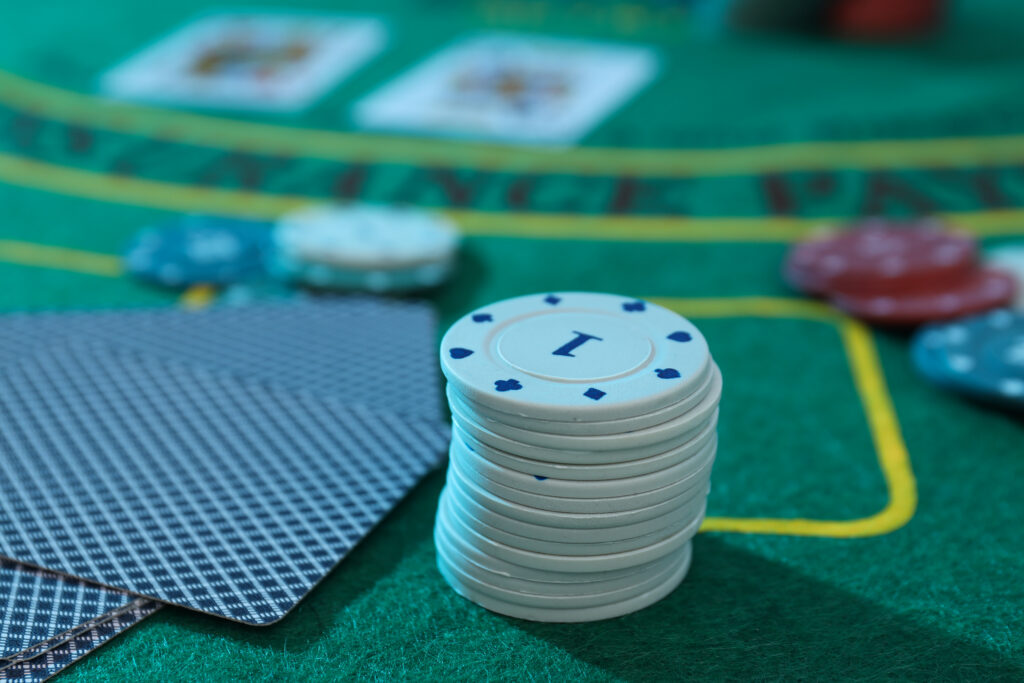
A natural blackjack is widely considered the strongest starting hand in the game. It occurs when your first two cards are an ace and any ten-value card, such as a 10, jack, queen or king, dealt on the initial draw.
What sets it apart is that it totals 21 immediately, without taking any additional cards. Only this two-card 21 is classed as a true blackjack; any 21 formed with three or more cards is simply a total of 21 and is treated differently under most rule sets.
Outcomes in blackjack are based on chance, and rules can vary by table or casino. In many games, a natural blackjack pays more than a standard win, typically at 3 to 2. However, some variants pay 6 to 5, or use other paytables, so it is important to check the specific rules before you play.
By contrast, reaching 21 with three or more cards does not usually receive the enhanced payout and is settled as a regular winning hand against the dealer’s total, subject to the house rules. Remember that your results can differ depending on the shuffle, the number of decks, and whether the dealer stands or hits on soft 17.
If both player and dealer receive a natural blackjack, the most common outcome is a push (a tie), meaning no win or loss on the main bet. If only the dealer has a natural blackjack, the round normally ends immediately and the player’s non-blackjack hands lose; if only the player has a natural blackjack, it usually wins with the applicable enhanced payout. Always review the table rules so you know how ties, payouts, and any side options are handled, and only gamble with funds you can afford to lose.
What Happens If Both Player And Dealer Have Blackjack?
If both you and the dealer receive a natural blackjack (an Ace with a ten-value card on the initial deal), the hand is typically ruled a push.
A push is a tie: your original stake on the main hand is returned, with no profit or loss, and the usual blackjack bonus payout does not apply.
Side bets, if placed, are settled separately under their own rules and may still win or lose regardless of the push on the main hand.
This outcome is common across most tables, whether in person or online, and the round is usually settled as soon as both hands are revealed.
However, rules can vary by game type or operator, so always check the table rules and any applicable terms before you play.
How Is A Push Settled And What Are The Typical Payouts?
When a push occurs, the stake from your main bet is returned and the round ends as a draw. There is no additional payment on top of that return, so there is neither a profit nor a loss on that hand.
A push happens when the player and the dealer finish with the same total, including 21 versus 21. In most games, a player blackjack against a dealer blackjack is also treated as a push, although specific house rules can vary, so it is sensible to check the table information.
This contrasts with a winning blackjack, which in many games pays 3 to 2. For example, a £10 blackjack typically pays £15 in winnings, plus the return of your £10 stake. Some tables pay 6 to 5 instead, which reduces the payout, so always review the posted rules before placing a bet.
With a push, you simply receive the original stake back. If you doubled down and the hand pushed, the doubled amount is returned in full. If you split, each hand is settled separately, so one hand can push while the other wins or loses.
Online, that return is usually reflected in your balance immediately. At a live table, the dealer returns your chips and proceeds to the next deal. If multiple wagers are in play, each is settled individually and clearly shown on the layout.
Side bets that sit alongside the main wager are typically resolved independently according to their own paytable. Many side bets either win or lose outright; a push is only paid if expressly stated in the rules. Where a push is specified, the stake for that side bet is returned.
Rules and payouts can differ by operator and game variant. Always read the game rules and paytable so you understand how outcomes are settled, and only stake amounts you can afford to lose.
Does Insurance Change The Outcome If Both Have Blackjack?
Insurance is an optional side bet offered only when the dealer shows an ace. It is designed to offset the risk that the dealer has a natural blackjack and is settled separately from your main wager. The insurance stake is typically half of your original bet, and availability and pay tables can vary by house rules.
If both you and the dealer have blackjack and you took insurance, the insurance bet pays 2 to 1, while the main bet still pushes. In practice, your insurance wins, but your original stake from the main hand is simply returned with no profit on that main bet.
For example, if your main bet is 10 and you place 5 on insurance, a dealer blackjack would pay 10 on the insurance, and your main 10 is returned because the hand is a push. You make a profit only from the insurance, not from the main wager.
This means insurance can generate a separate payout in that specific scenario, but it does not convert the main hand into a win. Standard blackjack payouts (such as 3:2 or 6:5) apply only when your main hand wins; in a push, there is no main-hand profit.
If the dealer does not have a natural blackjack, the insurance bet loses immediately, even if your hand later wins or you have a blackjack yourself. Conversely, if you make 21 with multiple cards (not a natural) and the dealer has a natural, the dealer wins the main bet unless insurance was taken and pays out.
Outcomes depend on the game’s specific rules, so always check the table rules before playing. Side bets like insurance usually carry a higher house edge, and you should only wager what you can afford to lose. Gambling should be done responsibly.
Is A 21 From More Than Two Cards Treated As Blackjack?
A two‑card 21 (an ace with any ten‑value card) is a natural blackjack. Any total of 21 reached with three or more cards is not a blackjack; it is simply a hard or soft 21, depending on the cards involved.
This distinction affects how hands are settled. Only a natural blackjack is eligible for the enhanced payout where offered, and the rate varies by table (for example, 3:2 or 6:5). A multi‑card 21 typically pays the standard win amount only, and may push or lose according to the usual rules for non‑blackjack hands.
In comparisons, a natural blackjack will usually beat a dealer 21 made with three or more cards. If both player and dealer have natural blackjacks, the result is generally a push. If the dealer has a natural blackjack while the player has 21 from extra cards, the dealer normally wins the hand.
There are common exceptions to note. After splitting aces, a 10‑value card with an ace is often counted as 21 rather than a blackjack, so it does not receive the blackjack payout or protections. Similar restrictions may apply to other split situations, depending on house rules.
These definitions are widely used, which helps make outcomes easier to follow once you know them. However, specific rules and payouts can vary by casino and game variant, so always check the table rules and paytable before you play. Gambling involves risk; set limits and play responsibly.
How Do Rule Variations Affect Outcomes When Both Have Blackjack?
In most standard versions of the game, if both you and the dealer have blackjack on the initial deal, the hand is a push and your stake is returned. That core principle is common across many rule sets, including European no‑hole‑card games, although surrounding rules can still change the overall value of the game. For example, whether blackjacks pay 3:2 or 6:5, and whether split aces can make a blackjack, won’t overturn the push in a like‑for‑like tie but will affect your long‑term return in closely related situations.
Other variations can shape how often you encounter those edge cases. Dealer peek rules, whether the dealer hits or stands on soft 17, and how doubles or splits are treated when the dealer later reveals a blackjack, all influence expected outcomes. While a simultaneous blackjack typically remains a push, certain tables or specific variants may publish exceptions or promotional conditions, so it is important not to assume uniformity.
Online lobbies and physical tables display their rules on the felt or within the game information. Check the paytable for blackjack payout (ideally 3:2 rather than 6:5), tie resolution, dealer‑action rules on soft 17, and any restrictions on splitting or doubling. Side bets have separate settlement rules and higher volatility; review these in the help file, including the stated RTP, before you stake.
A quick read‑through before playing helps you avoid surprises and ensures you understand exactly how ties and blackjacks are handled at that table. Terms and conditions apply to each game, and outcomes are determined by chance, so never expect a particular result even with optimal play. Only stake what you can afford to lose and consider setting limits to manage your session.
With the ground rules set, it helps to focus on what you can control when the dealer shows a strong card. Following basic strategy for the specific rule set, being cautious with insurance unless justified by the maths, and avoiding marginal plays on unfavourable tables (such as 6:5 blackjack) can all help manage your risk without implying guaranteed returns.
Can You Split, Double Or Surrender When The Dealer Has An Ace?
Seeing an ace from the dealer looks strong, but your options remain open and depend on the house rules in use. Always check the table placard and ask the dealer if you are unsure, as procedures can vary by venue and game type.
If you are dealt a pair, splitting is often available, creating two separate hands. Rules may allow re‑splitting, but aces are commonly restricted to one card per split hand. Be aware that in “peek” games (where the dealer checks for blackjack before play continues), the hand ends immediately if the dealer has blackjack, so you will not place extra wagers. In “no‑hole‑card” games (common in parts of Europe), you may be allowed to split before the dealer reveals a blackjack; if the dealer then has blackjack, all active wagers can lose, increasing your exposure.
Doubling down is commonly permitted either on totals of 9–11 only or on any two cards, and may or may not be allowed after a split. Some tables restrict doubling against a dealer ace. Many players choose to double more selectively in this situation because the dealer has a higher chance of making a strong total. As with splitting, the outcome of a double if the dealer holds blackjack will depend on whether the game uses a peek rule.
If the table offers surrender, you can forfeit half your stake and end the hand early. Most venues that allow surrender use late surrender (after the dealer checks for blackjack); early surrender is less common and follows different timing. Availability can change by table and may not be offered after splits, so confirm the specific conditions before you act.
When the dealer shows an ace, insurance or “even money” may be offered. This is a separate, optional side bet on the dealer having blackjack and is not required to play the hand. Consider the rules and your own preferences before placing any additional wagers.
Outcomes are never guaranteed. Make decisions that suit your circumstances, set limits, and only stake what you can afford to lose.
Dealer Peek Rules And When Hands Are Checked
Many tables use a dealer peek to speed up the round and reduce unnecessary player decisions. When the dealer shows an ace or a ten‑value card, they discreetly check the facedown card to determine whether a natural blackjack is present, without revealing any other information.
If the dealer has blackjack, the round ends immediately and main bets are settled at once. Player blackjacks usually push against a dealer blackjack, while losing hands are collected. If insurance is offered and taken, it is settled according to the table rules at this point.
Because the peek occurs before player actions, no additional wagers from splits or doubles are placed in peek games until it is confirmed that the dealer does not have blackjack. This limits exposure to only the initial wager when the dealer holds a natural 21.
If the dealer does not have blackjack, play continues and you complete your decisions as normal. Hands are then resolved in the usual order, and standard payouts apply based on the published table rules.
Some variants do not use a peek and instead resolve the dealer’s hand only after players act. In these no‑peek games, splits, doubles, or surrender may be placed before the dealer’s hand is revealed, which can result in multiple wagers being at risk if the dealer later shows a blackjack. The exact treatment of late surrender and insurance, if available, will be defined by the house rules.
Table signage and the game rules will state which approach is in use, along with any exceptions. Always check the rules before playing, as procedures and bet treatments can vary by venue and variant. Outcomes depend on chance, and returns are not guaranteed; stake only what you can afford to lose and consider setting limits.
To see how all of this plays out in pounds and pence, a few quick examples help. Illustrations that cover pushes against a dealer blackjack, insurance resolution, and the difference in exposure between peek and no‑peek tables can clarify the practical impact within the stated table limits.
Practical Examples With Simple Calculations
Imagine you bet £10. If both you and the dealer have a natural blackjack, the result is a push and your £10 is returned. There is no extra payment, no commission, and no change to your overall balance from the main wager.
Now add a £5 insurance bet because the dealer showed an ace. If both hands are blackjack, the insurance pays 2 to 1, so the £5 side bet returns £10 in winnings, plus the £5 insurance stake back. Your £10 stake from the main bet is simply given back as a push, meaning your net outcome from the round is +£10 overall.
If you have a natural blackjack and the dealer makes 21 using more than two cards, you win the hand. With a 3 to 2 payout, a £10 stake returns £15 in winnings, plus the £10 stake back. Your total returned to you is therefore £25, giving a net profit of £15 on that hand.
Insurance is only available when the dealer shows an ace (and may not be offered on all tables). It pays only if the dealer has a natural blackjack, and otherwise the insurance stake is lost. Some tables pay blackjacks at 3 to 2, while others may use 6 to 5 or different house rules, which will change the figures in these examples.
These examples show how the stake, side bets and payouts interact, so when a rare double blackjack lands, you know precisely what to expect. They are illustrative only, and actual outcomes depend on the posted table rules. Always check the specific payout schedule and bet limits, and only stake what you can afford to lose.
**The information provided in this blog is intended for educational purposes and should not be construed as betting advice or a guarantee of success. Always gamble responsibly.