
Player vs Dealer Blackjack Tie: What If Both Get Blackjack?
Landing a blackjack, an Ace with a ten-value card on the first deal, is as strong as it gets. But what if the dealer turns over the same two-card 21 at the very same time?
It is a rare moment that can be confusing. Does anyone get paid, and what happens to your stake?
Here is how ties work, how your bet is treated, and the small rule variations that can change what you see at the table.
What Counts As A Blackjack?
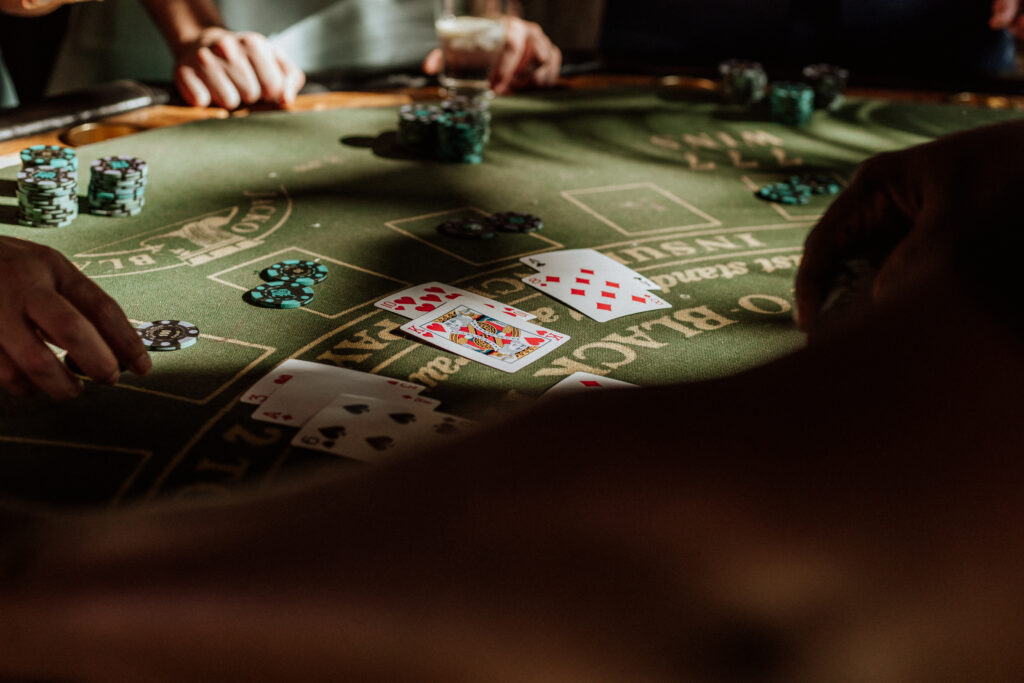
A blackjack (often called a natural) is a two-card hand totalling 21, made from one Ace and any 10-point card: a 10, Jack, Queen, or King. Suits do not matter, and it must occur on the initial deal before any hits, splits, or doubles.
Reaching 21 with three or more cards is simply a total of 21 and is not classed as a blackjack. The distinction affects how the hand is settled.
Blackjack typically pays more than a standard winning hand. Many tables pay 3 to 2, while others pay 6 to 5. Always check the table rules, as payout structures and house rules can vary by venue and game variant.
If the dealer also has a blackjack, the result is a push (tie) and no enhanced payout applies. In that situation, your stake is usually returned and the hand ends without a win or loss.
Note that a 21 achieved after splitting, particularly when drawing a 10-value card to a split Ace, is commonly treated as a regular 21 and not a blackjack. Whether this applies will be stated in the game rules.
In short, a true blackjack is only ever those first two cards—one Ace and one 10-point card—dealt at the very start of the round. Ensure you review the specific rules and payouts at the table before you play.
What Happens If Both Player And Dealer Get Blackjack?
When both hands are blackjack in the same round, the result is a push (a tie). Your original stake is returned, and there is no win or loss on the main bet.
For example, if you staked £20 and both hands are blackjack, £20 is credited back to your balance and the next round begins. There is no blackjack payout because the hand is not a win.
Side bets and optional wagers may be settled separately. If you purchased insurance and the dealer has blackjack, the insurance bet may pay even though the main hand is a push. If you are offered “even money” when you hold blackjack against a dealer Ace and you accept it, you will usually be paid 1:1 immediately, and the main hand then does not push.
Rules can vary by table and game type (for example, peek vs no‑peek or how blackjacks after a split are treated). Always check the specific house rules and paytable for how pushes, blackjacks, and side bets are settled.
Do You Get Paid If Both Have Blackjack?
Under standard rules, a player blackjack against a dealer blackjack is a push. That means there is no win or loss on the main hand, and your original stake is returned to you with no additional payout.
At a live table your chips are simply returned to your betting spot, while online your account balance is adjusted back to its pre-hand position. This outcome applies to the main hand only; any side bets or insurance you may have placed are settled separately in line with the specific game rules.
Table rules can vary by casino and game variant, so always check the rules displayed before you play. Never stake more than you can afford to lose, and gamble responsibly.
How Does Insurance Work If The Dealer Has Blackjack?
Insurance is an optional side bet that is only offered when the dealer shows an Ace. It costs half of your main stake and pays 2 to 1 if the dealer’s hidden card is worth ten, giving the dealer a blackjack. The insurance bet is settled independently from the main hand, and you place or decline it before any further cards are drawn.
If the dealer does not have a blackjack, the insurance stake is lost, regardless of how your main hand finishes. If the dealer does have a blackjack, the insurance pays out and your insurance stake is also returned.
If the dealer has blackjack and you do not, insurance can offset the loss on the main bet. In that case you would lose your main stake but win on insurance, typically leaving you close to break-even overall.
If both you and the dealer have blackjack, the main hand pushes, while the insurance still pays. For example, with a £20 main bet and £10 insurance, a dealer blackjack returns £20 in insurance winnings plus your £10 insurance stake back, and your £20 main bet is pushed back, leaving you £20 ahead overall.
Many casinos also offer even money when you have a blackjack and the dealer shows an Ace. Taking even money is effectively the same as choosing insurance in that spot and guarantees a 1 to 1 return on your main bet regardless of the dealer’s second card. If you decline even money and the dealer does not have blackjack, your blackjack is typically paid at the table’s standard rate (for example 3 to 2 or 6 to 5), so always check the specific house rules.
Insurance does not increase the chances of a winning outcome over time and generally carries a higher house edge than the main game. It is best viewed as a protective option rather than a route to higher returns. Bet responsibly, only wager what you can afford to lose, and consider setting limits. Eligibility, rules and payout structures vary by venue; you must be 18+ to gamble in the UK.
Dealer Peek Rule And How It Affects A Push
In many games, the dealer “peeks” at the face-down card whenever the upcard is an Ace or a 10-value card (10, J, Q, K). If that peek confirms a blackjack, the hand ends immediately. At that point, any player blackjack against it is declared a push straight away, and the stake on that main bet is returned before any further action is taken.
This early check also means players do not make additional decisions that cannot alter the outcome. For example, you will not be offered hits, doubles, or splits once a dealer blackjack is verified, because the round is already settled. Non‑blackjack hands lose at this stage, while any player blackjack results in no win and no loss on the main wager.
In games without a peek, sometimes called European no‑peek rules, players must complete their decisions before the dealer reveals the hole card. If the dealer then shows a blackjack, the round ends at that point. The key difference is timing: a peek settles the hand early and avoids unnecessary decisions, while no‑peek tables resolve it later.
Because decisions are taken first at no‑peek tables, any additional stakes you place (such as on doubles or splits) remain at risk if the dealer subsequently reveals a blackjack. Only a player blackjack pushes against a dealer blackjack; other outcomes are settled in line with the posted table rules.
Either way, if both hands are blackjack, the main bet is returned as a push. House procedures and table signage govern the exact process, so check the rules before you play. Never wager more than you can afford to lose.
Split Hands And Blackjack: When 21 Isn’t A Natural
Splitting a pair creates two separate hands from the original, each with its own stake and outcome. You can reach 21 on a split hand — for example, by splitting Aces and then receiving a 10-point card — but this result is treated differently from a natural blackjack.
A natural is specifically a two‑card 21 from the initial deal. By contrast, any 21 made on a split hand is classed simply as a total of 21, not a blackjack. This distinction affects both payouts and how ties are resolved.
Table rules vary, but a natural blackjack typically pays 3:2 (sometimes 6:5), whereas a 21 on a split hand usually pays even money only. In tie situations, a player total of 21 may push against a dealer total of 21 formed with three or more cards, but will generally lose to a dealer natural. Always check the paytable and house rules for the game you are playing.
Additional splitting rules also differ by venue. After splitting Aces, many games allow only one card to each Ace and do not permit further hits or re-splits; a 10 on a split Ace counts as 21, not a blackjack. Confirm any restrictions in advance so you know how your hands will be settled.
Outcomes are based on chance. Set sensible limits, never stake more than you can afford to lose, and seek support if gambling stops being fun.
Are 21s After A Split Treated As Blackjack?
Most tables do not treat 21 on a split hand as a blackjack. A “natural” blackjack is specifically an Ace with a ten-value card on your first two original cards. By contrast, a 21 made after splitting is paid at even money, 1 to 1, rather than the higher blackjack payout you may see on the table (commonly 3 to 2, or in some games 6 to 5).
If the dealer has a natural blackjack, your split-hand 21 does not tie it. In many rule sets it will lose, although this can depend on whether the game uses a “peek” (hole-card) procedure or a “no-hole-card/European” procedure. In peek games, the dealer checks for blackjack before player actions, so you may not be allowed to split if the dealer already has a blackjack. In no-hole-card games, the dealer reveals at the end; outcomes for split and doubled bets can vary by house rules, so always confirm how these scenarios are handled.
There are a few other common points to know. Many games allow only one card to each split Ace, and further hits on those Aces are often not permitted. Some tables restrict splitting tens or face cards, while others allow re-splitting pairs; even then, any 21 achieved on a split hand is still not classed as a blackjack.
Rules on doubling after a split also differ. Some variants allow you to double down on split hands (except split Aces), while others do not. These options affect both volatility and the overall house edge, as do the blackjack payout and whether the dealer stands or hits on soft 17.
Always check the table placard or on-screen rules so you know how split outcomes are paid and how special cases are resolved. Consider your stake limits, play within your means, and take breaks; gambling should remain a form of entertainment.
Side Bets And Other Payouts When Both Have Blackjack
Side bets, such as Perfect Pairs or 21+3, are almost always settled separately from the main hand. A push on the main bet does not cancel a winning side bet, and likewise a losing side bet does not affect a push on the main wager.
Settlement timing can vary. Perfect Pairs is determined solely by your first two cards, so it is resolved regardless of how the main hand ends. By contrast, 21+3 usually uses your first two cards plus the dealer’s upcard, so it is resolved once those three cards are known, even if the main hand later pushes because both you and the dealer have blackjack.
For example, if you place Perfect Pairs and your first two cards form a pair, that side bet pays according to its displayed paytable even when the main hand pushes after both hands show blackjack. The same applies if a qualifying 21+3 combination appears; the side bet is paid per the stated odds, independent of the main result.
Payouts and qualifying combinations for side bets can differ by table and game variant. Always check the specific paytable and house rules printed on the layout or shown in the game information before staking, including any maximums, minimums, and how ties or dealer peek rules are handled.
Side bets are optional and typically carry a higher house edge than the main game. Only stake what you can afford to lose, and consider whether a side bet suits your budget and risk tolerance. If you are unsure, ask the dealer or consult the on-screen help for clarification before placing chips.
Common Rule Variations That Change A Push Outcome
The standard treatment of a blackjack-versus-blackjack outcome is a push that returns your stake. There are, however, less common rule sets where ties are not pushes. A small number of variants state that the dealer wins all ties, including blackjack. Under that rule, a player blackjack against a dealer blackjack would lose, which increases the house advantage and should be clearly displayed on the table signage.
Always check the printed table rules or the on-screen paytable before you play. If a venue or game uses non‑push ties, that condition applies to all relevant hands unless otherwise specified. If you are unsure, ask a member of staff to confirm how ties are handled so that you know the outcome before placing a wager.
Some games also add special features that pay a bonus for particular matchups, or adjust the main blackjack payout. For example, some tables pay 3:2 on a natural while others pay 6:5, and a few variants offer specific prizes for suited matches or particular combinations. These are not standard, may come with additional conditions, and are always listed on the table rules or paytable.
Insurance is a separate, optional side bet that commonly pays 2:1 when the dealer completes a blackjack. It does not turn a tie into a push; instead, it settles independently of your main hand. In some games, taking “even money” on your own blackjack is simply insurance by another name and results in a lower but guaranteed return, which may not be available on all tables.
Knowing the house rules before you start means you will understand exactly what happens if both sides open with blackjack, how insurance interacts with those moments, and why split 21s are not treated as naturals. A 21 made after splitting (for example, split aces receiving a ten) is ordinarily paid as a regular 21 and not at the natural blackjack rate unless the rules explicitly say otherwise.
Read the rules carefully, do not assume that uncommon variations favour the player, and only stake amounts you can afford to lose. Being informed helps you make considered choices about whether a particular table or variant is suitable for you.
**The information provided in this blog is intended for educational purposes and should not be construed as betting advice or a guarantee of success. Always gamble responsibly.