
Why Are Bookies Called Turf Accountants? Origins & Meanings
If you’ve ever noticed an old betting shop sign that says “Turf Accountant,” you might have wondered what it means. This phrase, once common across Britain, has an interesting story that links language, horse racing, and the changing image of betting.
Understanding where it came from helps explain how bookmakers built their reputation and how betting has evolved into the modern, regulated industry we see today.
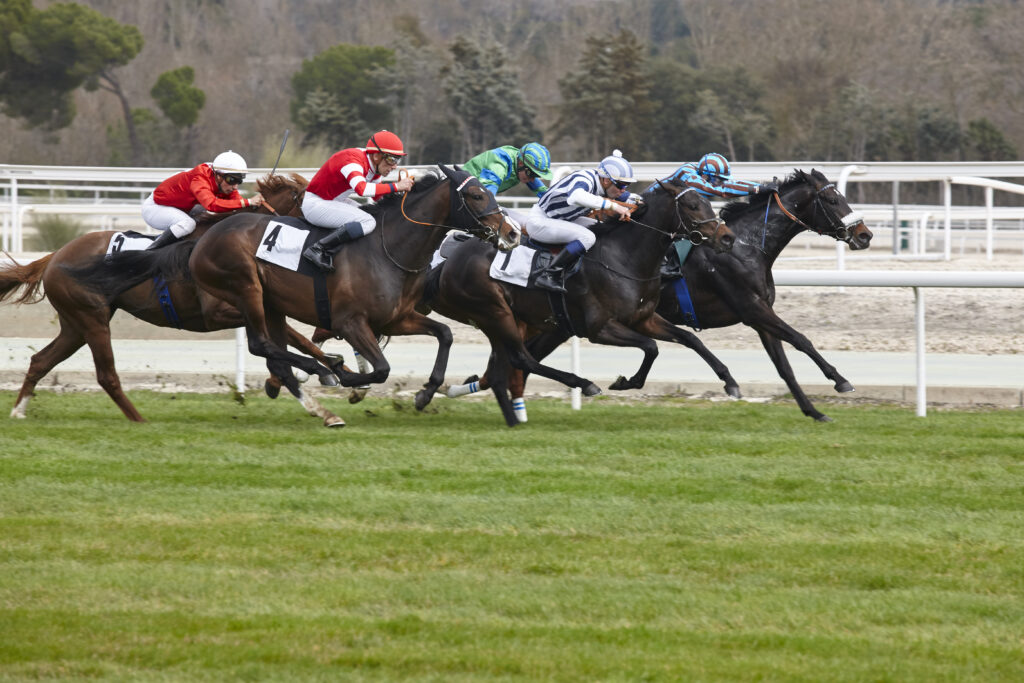
What Does the Term Turf Accountant Mean?
A turf accountant is another name for a bookmaker – the person or business that takes bets, sets the odds, and pays out any winnings.
The word turf refers to the grass at racecourses, where horse racing traditionally took place. The word accountant was chosen to suggest that the bookmaker dealt carefully with money, kept precise records, and balanced what was owed and paid out.
In simple terms, the bookmaker creates a “book” of odds based on the possible outcomes of an event, such as a horse race. Each outcome is assigned a probability. For example, if a horse is priced at 5/1, that means for every £1 staked, £5 would be returned in winnings if it wins (plus the £1 stake). Those odds reflect an implied chance of around 16.7% that the horse will finish first.
A bookmaker’s role is not to predict who will win, but to balance their odds so that, over many bets, the amounts paid in and out stay manageable. It’s a form of business calculation — and that’s one reason “accountant” fit so well.
How Did the Phrase Turf Accountant Start Being Used?
The phrase “turf accountant” first appeared in Britain in the early 20th century, around 1915, when horse racing was the country’s most popular betting sport. At that time, betting mainly took place in person, often at the racecourse itself. Bookmakers kept handwritten ledgers where they recorded every stake, result, and payout by hand.
In an era when gambling was viewed with suspicion, many operators wanted a title that sounded respectable. Calling themselves “turf accountants” presented their work as professional and orderly — much like a financial office, rather than something unregulated. This helped to reassure both customers and authorities that money was handled with accuracy and care.
When licensed betting shops were legalised in the UK in 1961, a number of them proudly used “Turf Accountant” on their shopfronts and letterheads. The wording implied trustworthiness, giving customers confidence that they were dealing with a legitimate, well-run business.
The Connection Between Horse Racing and Turf Accountants
Horse racing shaped the early world of betting more than any other sport. Before football and tennis markets existed, racecourses were where betting culture grew. Bookmakers stood beside the rails, displaying odds on chalkboards and taking cash stakes directly from punters. Once the race finished, they paid any winners and recorded the result in their books.
Because these activities all took place on the turf, and because meticulous note-keeping was essential, the name “turf accountant” suited the trade perfectly. Each bookmaker effectively managed a small financial system centred on race outcomes.
To this day, horse racing remains a key part of British betting. Although you can now wager on hundreds of sports, horse racing still attracts millions of bets each year. The link between racing and bookmakers is so strong that even as the industry modernised, the historical title stayed part of its language for decades.
Why Did Bookmakers Prefer the Title Turf Accountant?
There were several practical and cultural reasons why so many bookmakers favoured the title “turf accountant”:
- Professional image: The word “accountant” suggested skill, trust, and accuracy, giving the impression of a respectable financial profession.
- Public confidence: At a time when betting was newly regulated, a more formal title helped operators appear legitimate and dependable.
- Cultural connection: The phrase tied betting directly to horse racing, Britain’s most established betting sport.
- Branding: “Turf accountant” gave shops a distinctive and traditional identity, particularly in towns with strong racing roots.
While the exact motives varied between businesses, the overall aim was to show that betting could be run responsibly and transparently — a contrast to unlicensed or informal gambling. It was as much about perception as about language.
Is Turf Accountant Still Used Today?
Today, you’ll rarely hear anyone use the term “turf accountant” outside of historical or nostalgic contexts. Most companies now use straightforward titles such as bookmaker, bookie, or betting operator. These are clearer, easier to understand, and better reflect the wider range of sports available for betting — from football and rugby to cricket, tennis and golf.
You might still notice an old sign with “Turf Accountant” above a shop door, especially near major racecourses such as Cheltenham or Newmarket. In those areas, the term remains part of local heritage. However, in the age of digital and online betting, the phrase feels more like a piece of history than a business title.
Language also changes with time. As betting became more regulated and transparent under the UK Gambling Commission (UKGC), operators moved towards plain language that accurately described what they do. The formality of “turf accountant” simply faded out as the industry modernised.
Bookmakers, Turf Accountants, and Modern Betting Language
Modern bookmakers work under strict regulation in the UK. Every licensed operator must display their licence number and follow rules designed to ensure fairness and transparency. Odds must be presented clearly, and the way payouts are calculated must be explained in the terms and conditions.
When you place a bet, you agree to those odds at that moment. Bookmakers may differ slightly in the markets they offer — for example, one might have more football markets, while another may specialise in horse racing or tennis. That’s why it can be sensible to check how each operates before betting.
Betting involves an element of chance. Even with careful study of form or statistics, results can differ because sport is unpredictable. There’s no strategy that can guarantee a win, and outcomes depend on many variables — weather, performance, injuries, or decisions made during play.
Bookmakers build their odds so that, across many bets, they expect to make a margin known as the overround. For example, a typical horse-race market might have a total probability of 110% built into the odds. That 10% represents the bookmaker’s cushion — their built-in profit margin over time. This ensures they remain sustainable even when some customers win.
Gambling can be enjoyable when treated as entertainment, not a source of income. Wins aren’t guaranteed, so set a limit you can afford, take breaks, and use tools like deposit limits or time-outs. If it ever stops feeling enjoyable, free and confidential support is available in the UK.
**The information provided in this blog is intended for educational purposes and should not be construed as betting advice or a guarantee of success. Always gamble responsibly.