
The Worst Roulette Number: Myths, Probability & Reality
Is there really a “worst” number in roulette? Some players believe certain numbers are less favourable, and over time, specific numbers have gained a particular reputation. Stories about these numbers, combined with our tendency to notice patterns, have kept the question alive for decades.
This post explores why certain numbers receive this label, whether zero has earned its prominence, and which myths continue to circulate. It also examines the actual probabilities, providing a clearer understanding of the game. By separating fact from perception, you can approach roulette with a more informed perspective.
Read on to learn more.
Why Some Numbers Are Considered The Worst In Roulette
Some numbers are seen as “bad”, though this view usually comes from perception rather than rules. Often, it begins with experience: if someone backs a number and it rarely appears, they may start thinking it is the “worst”. These impressions might spread to other players, creating a shared belief.
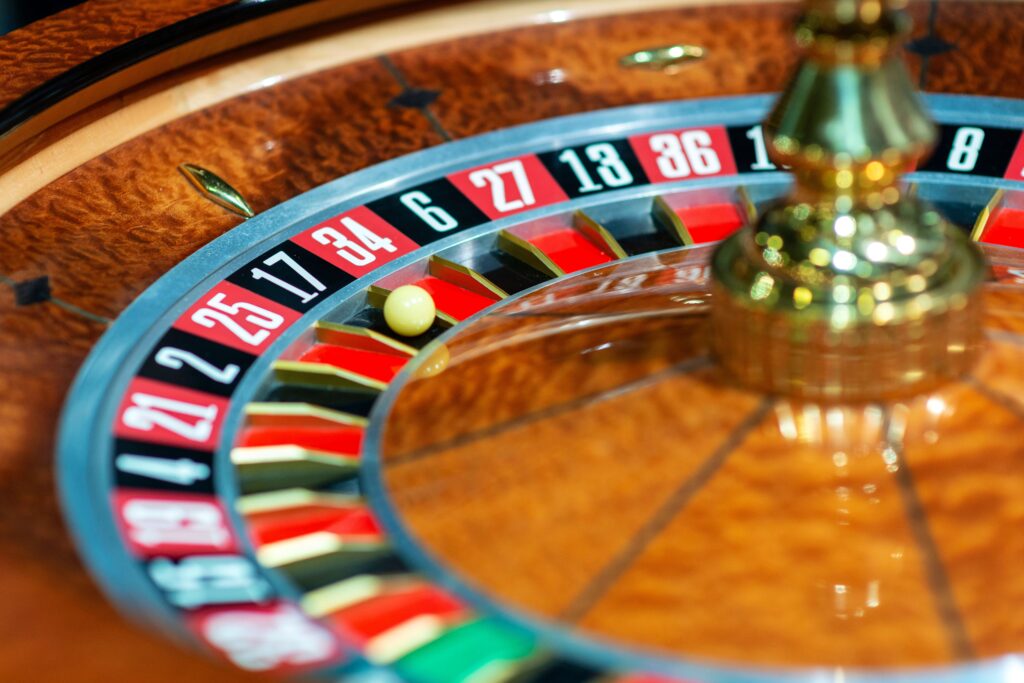
Zero is often mentioned in this context. Its presence may feel significant, especially in certain types of bets. Its green colour and unique placement make it stand out among the red and black numbers. While this visibility contributes to its reputation, the actual mechanics of the wheel give every number an equal chance on any single spin.
The design of standard roulette wheels ensures fairness, with spins determined by random factors like momentum and friction. No properly manufactured wheel is set to favour or avoid a particular number. Even so, zero often appears central in discussions about “bad” numbers, largely because of its symbolic role in the game rather than any actual disadvantage.
Does Zero Always Mean The Worst Odds?
Zero has a defined role in both European and American roulette. European wheels feature a single zero, while American wheels include both a single and a double zero, which slightly changes the dynamics of certain bets. For straight bets on individual numbers, however, zero behaves just like any other number—each has the same chance of being selected.
On an American wheel with 38 numbers (1–36, a single zero, and a double zero), each number—including both zero and double zero—has a 1 in 38 chance of appearing, or roughly 2.63%. The difference becomes more apparent with outside bets such as red or black, odd or even. If the ball lands on either zero pocket, these bets typically lose. This is why the house edge on even-money bets is higher in American roulette—5.26% compared with 2.70% in European roulette, which has only a single zero.
In other words, zero and double zero are not less likely to appear than any other number. What makes them notable is their effect on outside bets, which can influence how outcomes feel to players. Recognising this distinction shows that any perception of zero being “worse” is related to the type of bet being placed, not the probability of the number itself.
Understanding this helps clarify why zero often draws attention at the table. While it can affect certain bets, it does not alter the chances of winning on straight number bets. Its role in the game is purely structural, and recognising this distinction is essential for a clear understanding of roulette probabilities.
Common Myths About The Worst Number In Roulette
Many myths exist about which numbers to avoid. Often, these come from stories shared among players rather than the mechanics of roulette. People tend to see patterns and remember losses more vividly than wins, which keeps these ideas circulating.
A frequent claim is that some numbers hardly ever appear. This belief usually comes from personal experience, rather than probability. Each spin is independent, meaning every number always has the same chance of appearing. The fact that a number has not come up for several spins does not make it “less likely” in the future.
Another idea is that some numbers are “cold” after appearing recently. This is an example of the gambler’s fallacy: the belief that past outcomes affect future results. In reality, every spin is separate.
Zero also garners attention because of its colour and its effect on certain bets. Its green appearance against the red and black makes it more memorable, sometimes leading players to treat it as unlucky. In truth, this is a perceptual effect rather than a reflection of probability.
Recognising these myths can help if you are considering playing roulette. Being aware of the equal probability of all numbers may support more rational choices rather than following superstitions.
How Often Does The Worst Number Actually Come Up?
On a European wheel, each number—including zero—has about a 2.70% chance of appearing per spin. On an American wheel, the chance is roughly 2.63%. These figures demonstrate that no number is inherently worse than another.
Short sequences of spins may seem to favour some numbers over others or show long gaps between appearances. These patterns are purely random. Over a very large number of spins, each number might appear roughly as expected, but individual sessions may create misleading impressions. This explains why players often label some numbers as “cursed” or “cold.”
If you choose to play, it is important to set limits and use tools that support responsible gambling. Betting systems that promise to change the underlying probabilities are mathematically flawed.
Support is available from organisations such as GamCare and GambleAware, which offer guidance and counselling.
Play Roulette Online at O’Reels
If you enjoy roulette, you’ll find a variety of options to explore at O’Reels. You can join live dealer tables for a real-time experience with our hosts, or try our automated Random Number Generator (RNG) games for a potentially quicker, digital version of the classic game.
We are licensed by the UK Gambling Commission (UKGC) and offer features that let you manage how you play, including deposit limits, time reminders, and self-exclusion. Our support team is always ready to help if you have questions about your account or these tools.
If that sounds right for you, feel free to create an account at O’Reels, add funds to play with and explore the roulette games at your own pace.
**The information provided in this blog is intended for educational purposes and should not be construed as betting advice or a guarantee of success. Always gamble responsibly.