
4567 Roulette Strategy: Real Results, Myths & How It Works
Roulette has always been full of suspense, quick spins and plenty of theories about how to win. Many players are curious about new approaches, and the 4567 Roulette Strategy is one that’s been getting a lot of attention lately.
But does it really work, or is it just another myth? Could this be the answer to beating the wheel, or is it just wishful thinking?
In this blog post, you’ll discover exactly how the 4567 strategy works, see genuine results, and learn which claims you should take with a pinch of salt. If you want the facts before you play, keep reading, you won’t want to miss what we found out.
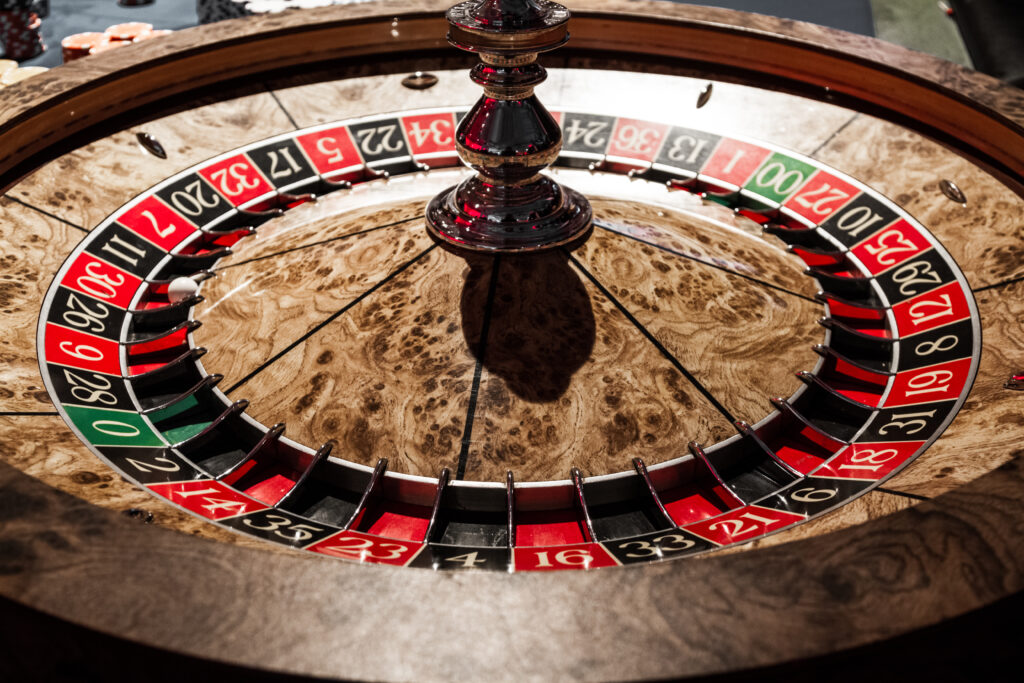
What Is the 4567 Roulette Strategy and How Does It Work?
The 4567 Roulette Strategy is a simple betting approach that aims to cover a broad spread of the roulette layout with each spin. Rather than backing a single favourite, it uses a repeating pattern of numbers to maintain consistent coverage and steady pacing.
In practice, you place chips on four separate sets of straight-up numbers: one set of four, one of five, one of six, and one of seven. The exact numbers are your choice, and players often select them for convenience or table position. The general idea is to distribute your selections so that more pockets are in play on every spin.
Coverage can be arranged with or without overlap. Many players try to avoid duplicating numbers across the sets to widen their reach, while others accept a little overlap if it keeps the layout easy to manage. Either way, every spin remains independent, and the wheel has no memory.
When a straight-up bet lands it pays 35:1. Because you are staking multiple numbers at once, a hit will usually return a win that must be weighed against the chips lost on the other numbers that missed. This can lead to more frequent, smaller wins, but also means a sequence of misses is possible and can be costly.
Importantly, no staking pattern can change the game’s underlying maths. The house edge stays the same whether you cover four numbers or twenty-four. On a single-zero (European) wheel the house edge is about 2.70% (RTP ~97.30%), while on a double-zero (American) wheel it is about 5.26% (RTP ~94.74%). Outcomes are random, and no strategy can guarantee a profit or predict future results.
The 4567 approach works the same online or in a land‑based casino, and you can adjust your chip sizes to suit your budget. Set clear limits, take breaks, and only gamble with money you can afford to lose. If it stops being fun, stop playing.
With the basics covered, it helps to look at the numbers behind it.
What Math Underpins 4567 Roulette?
The 4567 Roulette Strategy is built on basic probability and does not change the fundamental odds of the game. By staking several numbers at once, you increase the chance that one of your selections will land on any given spin, but you also spread your stake across more outcomes.
In a standard European wheel there are 37 pockets, numbers 1 to 36 plus a single zero. If you cover 22 numbers in total by placing bets in groups of 4, 5, 6 and 7 numbers, you have more than half the wheel covered (22/37 ≈ 59.46%). That raises hit frequency, but it does not alter the mathematical edge.
For example, staking 1 unit on each of 22 straight-up numbers totals 22 units. A hit pays 35 to 1, returning 36 units on that number, so your net is +14 units after the 21 losing stakes are deducted. If the spin misses your covered numbers, the full 22 units are lost. How you divide your overall stake across those groups mainly affects volatility and bankroll swings, not the underlying odds.
The expected value reflects the house edge. With the above 22-number layout, the expected return per spin is (22/37 × +14) + (15/37 × −22) = −22/37, which is a loss of about 0.59 units for every 22 units wagered (approximately −2.7%). This aligns with the European roulette house edge of 2.7% and applies regardless of how you spread your bets across the layout.
It is also important to note that each spin is independent. Previous results do not influence future outcomes, and covering more numbers cannot guarantee a win on the next spin. Higher coverage trades larger, rarer wins for smaller, more frequent ones, but the long‑term expectation remains negative due to the zero.
Nothing in this approach removes the house advantage. If you choose to try it, set clear limits, avoid chasing losses, and only stake what you can afford to lose. The strategy is about managing variance and experience, not securing profit.
So much for theory. How did it hold up when we put it into practice?
What Results Did We See in Live Tests?
We put the 4567 Roulette Strategy to the test in live games, tracking every spin and outcome across multiple short sessions. The goal was to understand whether it encouraged a steadier flow of results or if it was simply another roulette buzzword. This was an observational exercise, not an endorsement, and we approached it with a neutral, data-first mindset.
We did see regular small hits, which is what you would expect when several numbers are covered each round. Long gaps between wins were less common, making sessions feel more even and reducing the sense of long droughts.
That said, clusters of misses still occurred, as you would expect in a random game. The strategy appeared to smooth perception rather than eliminate volatility, and streaks (both good and bad) still happened without any pattern you could rely on.
The profit picture was modest. With multiple straight-up bets active at once, a winning number often only offset the other losses on the layout, leaving a small net gain or a small net loss on that spin. Occasionally there were brief upticks and drawdowns, but these tended to balance out over time.
In short, our live play suggested that 4567 can smooth results but does not create long-term profit. Outcomes are random and the house edge still applies, regardless of staking pattern. No strategy changes the underlying odds, and past outcomes do not predict future results.
If you decide to try it, set a clear budget, use time limits, and only play what you can comfortably afford to lose. Do not chase losses, and treat play as entertainment rather than a source of income.
Here is how we set up those sessions so you can see the context behind the figures. We used standard table rules available to the public, kept stakes consistent, avoided bet progression systems, and recorded consecutive spins to reduce selection bias. We did not use side bets or special features, and we took regular breaks. Results will vary by session, table conditions, and personal staking choices, and our sample should not be taken as typical or guaranteed.
How We Tested 4567 Roulette: Methodology and Sample Size
To give a clear picture, we ran multiple real-money sessions online under the same conditions each time. We kept the bet pattern, session length and chip sizes consistent to make comparisons meaningful across runs.
Play took place with licensed operators on standard single‑zero roulette, and we alternated between desktop and mobile to reflect typical play. Game outcomes are determined by random number generators, so each spin is independent.
We recorded every bet, win, loss and stake, noting whether bets were inside or outside and the table limits in use. This allowed us to review the data for patterns in hit frequency, volatility and session swings, as well as overall net result.
The analysis is descriptive rather than predictive. It illustrates how the approach behaved for us during the test sessions and should not be taken as an indicator of what you will experience.
Across all play we logged just over 200 spins. That’s a modest sample: enough to get a feel for performance in practice, but far from sufficient for statistical certainty. Results can and will vary due to normal variance.
Stakes were sensible, with predefined budgets, session limits and time‑outs in place. We did not rely on promotions, and we avoided chasing losses to keep risk controlled.
With that setup in mind, the next question is whether the strategy changes expected return at all. It does not: roulette has a fixed house edge, and no staking plan can alter the underlying RTP. A strategy may change variance and risk exposure, but it cannot turn a negative expectation into a positive one. Only bet what you can afford to lose, and stop if play is no longer enjoyable.
Does 4567 Roulette Change Expected Return Compared With Straight Bets?
The 4567 Roulette Strategy does not change the expected return compared with placing straight bets on individual numbers. This is because both the probabilities of outcomes and the paytable are fixed, so the mathematical expectation remains the same regardless of how you arrange your chips.
Every bet on the roulette table, whether covering one number or many, faces the same house edge of around 2.70% in European (single-zero) roulette, equating to a 97.30% RTP. On American (double-zero) wheels, the edge is higher at about 5.26%. Your long‑run expectation is therefore unchanged no matter how you distribute stakes, even if short‑term results vary.
While the 4567 structure can increase hit frequency, each success typically pays less in net terms because several other bets lose on the same spin. The correlation between your selections means more frequent small outcomes but no improvement in expected value.
Over time, the return works out the same as staking single numbers; the main difference is variance and how your bankroll experiences ups and downs. Adjusting bet sizes or coverage alters volatility and stake exposure, not the underlying house edge.
If the maths is fixed, table rules are among the few factors that can affect outcomes for the player. Single‑zero wheels are preferable to double‑zero, and rules like la partage or en prison on even‑money bets can reduce the effective edge, whereas table limits and minimums affect risk management rather than expectation. None of these rules overturn the house advantage.
Outcomes are random and cannot be influenced by staking patterns. No strategy can guarantee profit or eliminate risk. Consider roulette for entertainment, set sensible limits, and only gamble what you can afford to lose.
Which Table Type Matters: European, French Or American?
When using the 4567 Roulette Strategy, the type of table you choose can make a real difference. However, outcomes are always random and no staking plan or system can remove the house edge or guarantee returns.
European and French roulette have a single zero, which sets the house edge at 2.7%. Over time, that lower edge can, on average, help a bankroll last longer compared with games that have a higher edge, though results will vary from session to session.
American roulette has an extra double zero, taking the total to 38 numbers. This pushes the house edge to about 5.26%, which generally makes it harder for any approach, including 4567, to keep results steady, and you should expect greater volatility.
French roulette can be more forgiving on even-money bets thanks to rules like La Partage or En Prison, which can return half your stake if zero lands on those bets. Straight-up bets are not affected by those rules, but if you mix in even-money wagers, they matter and can slightly reduce expected losses over the long term.
For the most value from the same bankroll, European or French tables are typically the more suitable pick. Always check the table layout, confirm whether La Partage or En Prison applies, and review table limits before you begin so you know the exact rules in play.
If you still want to experiment with 4567, here is how players tend to structure it. Treat any approach as entertainment rather than a way to make money, set sensible limits, and only wager what you can afford to lose.
How To Use 4567 Roulette Step By Step
Entry Bet Selection
Most players begin by choosing a per-spin stake that fits their budget and the table limits. It helps to decide on a total amount for the whole session first, then divide it into affordable spin sizes so that a few losing spins do not use the entire balance.
They then place separate bets to cover one group of 4 numbers, one of 5, one of 6 and one of 7 numbers. The actual selections vary, but spreading numbers around the wheel is common to avoid clustering in one area. Ensure your layout is clear and that the combined cost of all four bets remains comfortable for you.
Different group sizes pay at different odds, so the mix of coverage and potential return will vary. Covering more numbers may produce more frequent small hits, while covering fewer numbers aims for less frequent but larger returns. No selection changes the built-in house edge, and each spin is independent of the last.
Progression Rules
When a bet hits, some players keep the same stake to maintain consistency, while others nudge stakes up slightly to add a bit more risk. After losses, many simply repeat the original layout. Rapid increases in stake after a loss tend to raise volatility and can drain a balance quickly.
No staking plan can remove the house advantage, so consider flat stakes that you are happy to place repeatedly. If you do adjust, set clear maximums in advance and keep any increases modest and within your pre-set budget.
A practical guide is to keep your total per-spin outlay to a small fraction of your session bankroll, and to avoid chasing losses. Take regular breaks and review results calmly; past outcomes do not indicate what will happen next.
Exit Rules
Well-run sessions have a clear end point, such as a set number of spins or a defined win or loss threshold. Stopping when that point is reached keeps the session controlled and avoids turning a short experiment into a long chase.
Time limits can also help. Decide in advance how long you will play and stick to it, even if you are ahead or behind. Banking a portion of any winnings and ending the session as planned supports disciplined play.
Roulette outcomes are random, so accept that sessions can end either up or down. Set limits, play for entertainment, and only gamble what you can afford to lose. If it stops being enjoyable or you feel pressure to recover losses, it is best to stop.
Because the structure looks straightforward, a few common myths can creep in.
Covering 4, 5, 6 and 7 numbers does not predict or influence the next result, and previous spins do not make a particular outcome more or less likely. Wider coverage may change the hit frequency, but it does not guarantee profit or alter the overall odds.
Common Misconceptions About 4567 Roulette
Some believe the 4567 Roulette Strategy is a secret formula that can beat the wheel. It is not. A staking plan may shape how you place bets, but it cannot alter the built-in return to player.
There is no system that removes the house edge or guarantees long-term profit. On a single‑zero wheel the house edge is typically around 2.70% (and higher on double‑zero), and that edge applies over time regardless of your pattern.
Others assume that covering lots of numbers means you will always win. Even with most of the board covered, losing streaks still happen, and the payouts may not offset the total stake.
Spreading chips widely can still produce a net loss when the winning number pays less than the combined cost of your bets. Table limits also restrict progression systems and cannot turn a negative expectation into a positive one.
Another misconception is that changing your pattern can influence where the ball lands. Each spin is independent and random, and previous outcomes do not provide an edge on the next spin.
In venues, wheels are regulated for fairness, and online games use independently tested RNGs. Your bet selection cannot influence the result.
A final myth is that the game is somehow “due” after a run of misses. Roulette does not have a memory, and the odds remain the same on every spin, so long streaks can and do occur.
This is the gambler’s fallacy: believing past results make a future outcome more likely. They do not.
With those myths out of the way, it is worth spotting the slip-ups that cost players the most. Set a clear budget, use safer gambling tools where available, and do not chase losses.
Play for entertainment only, take regular breaks, and only if you are 18+ and it is legal in your jurisdiction. If gambling stops being fun, consider pausing and seeking support.
Typical Mistakes Players Make With 4567 Roulette
Plenty of errors show up with this strategy, and most are avoidable with a bit of discipline and a clear plan before you start. Roulette is a game of chance with a built‑in house edge, and no staking pattern can change the odds of the wheel.
Set a budget you can afford to lose, decide in advance how long you will play, and remember that this approach is for entertainment only. If it stops being fun, take a break or end the session.
- Oversizing stakes after a couple of small wins, which quickly increases risk without improving the expected return. Keeping bets modest and proportionate to your bankroll helps smooth variance and reduces the chance of a sudden wipeout.
- Chasing losses by escalating stakes, a fast route to exhausting a bankroll. Losses happen at random; increasing bet size to “get even” usually compounds the problem and can breach your limits.
- Losing track of which numbers are actually covered and leaving gaps you did not intend. Use a simple tracker or a consistent layout so you know exactly where your chips are and what outcomes are included.
- Skipping session limits, which removes the safety net that keeps play in check. Pre‑set deposit, loss and time limits add structure and make it easier to stop when you planned to.
- Believing that clever patterns will alter random outcomes. Each spin is independent; past results do not influence future spins, so avoid reading streaks as signals.
Keeping stakes consistent, tracking coverage, and setting clear boundaries helps avoid most of these pitfalls. Never gamble with money you need for essentials, and be prepared to walk away when your limits are met.
So when does 4567 struggle the most?.
When Does 4567 Roulette Perform Worst?
The 4567 Roulette Strategy performs worst during stretches where results keep landing outside your chosen numbers. Although multiple straight-up bets are in play each spin, there are still sizeable gaps in coverage, including zero, and clusters of misses are common in random sequences.
Covering several numbers can create the impression of safety, but variance can be sharp. When hits dry up for a few spins in a row, the outlay builds quickly while returns do not, so a balance can decline faster than expected.
It also struggles when players react to those runs by increasing stake size in the hope of recovering faster. Progressions amplify exposure, bring table limits into play sooner, and can deplete a bankroll rapidly if the sequence continues.
Avoid chasing losses. If you use 4567 at all, keep to a fixed unit size, accept downswings as possible at any time, and stop if you reach a pre-set loss limit.
Tough patches are most noticeable when the winning number repeatedly falls outside all four groups, removing the frequent small wins that the structure aims to provide. When hits arrive on numbers you have not covered, the strategy’s net result can be negative for long stretches.
Even when a covered number lands, returns may not always compensate for prior losses, depending on your staking split across the four groups. This can make drawdowns feel longer and more punishing than expected.
Used on a European or French wheel with sensible stakes and clear session boundaries, 4567 can shape the rhythm of play and produce occasional clusters of hits. However, it does not change the maths or create an edge, and the house advantage on straight-up bets remains around 2.70% on European roulette.
Every spin is independent, and past outcomes do not influence the next result. No staking plan can overcome the house edge or guarantee profit.
Set time and loss limits before you start, take regular breaks, and only gamble with funds you can afford to lose. If the play stops being enjoyable or you feel pressure to chase, walk away and consider support options.
**The information provided in this blog is intended for educational purposes and should not be construed as betting advice or a guarantee of success. Always gamble responsibly.